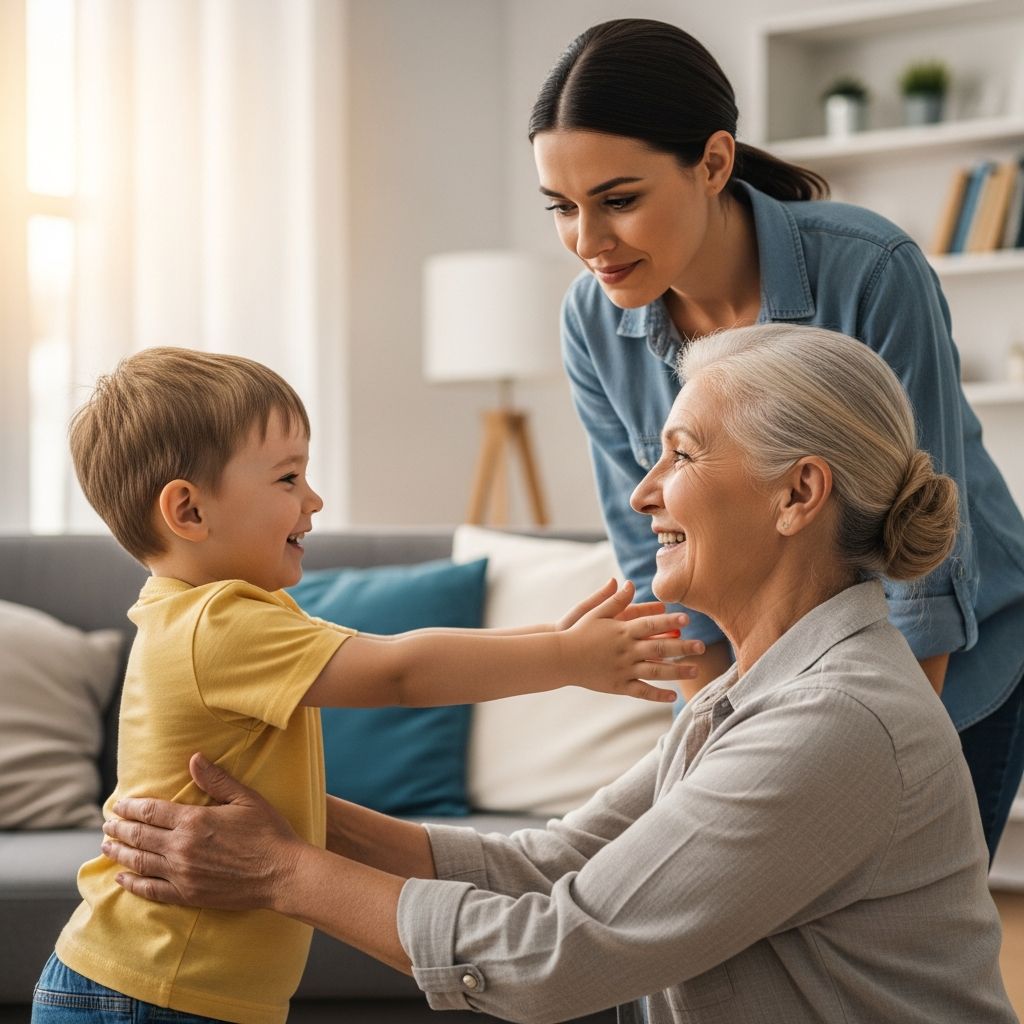
Parents frequently experience a pang of jealousy or hurt when their children show a clear preference for spending time with grandparents. This emotional response is entirely normal and stems from deep-seated instincts to be the primary attachment figure. However, understanding the developmental reasons behind a child’s choice and the mutual benefits of these relationships can transform these feelings into opportunities for family growth.
Understanding the Pull Toward Grandparents
Children often gravitate toward grandparents because they offer a unique blend of indulgence, patience, and storytelling that differs from everyday parental routines. Grandparents typically engage in play without the weight of discipline or schedules, creating a haven of fun and unconditional affection. This dynamic allows kids to relax and explore their emotions freely.
From a psychological perspective, these bonds provide essential emotional buffers. Research indicates that close grandparent-grandchild relationships correlate with reduced emotional problems in adolescents, particularly in non-traditional family structures like single-parent homes. Even when parental mental health challenges exist, a strong grandparental tie can interrupt the intergenerational transmission of issues such as depression.
The Emotional Impact on Parents
Feeling sidelined can trigger insecurity about one’s parenting role. Parents might question their adequacy or fear losing their child’s primary loyalty. These reactions are rooted in evolutionary biology, where securing attachment ensures offspring survival. Yet, suppressing these emotions risks resentment, which could strain family ties.
Acknowledging hurt is the first step toward resolution. Parents who openly process these feelings often report stronger overall family cohesion. Suppressing jealousy might lead to passive-aggressive behaviors, whereas validation fosters empathy across generations.
Benefits for Children in Grandparent Relationships
- Emotional Support: Grandparents provide a safe space for expression, helping children build resilience and socioemotional skills.
- Cultural and Historical Wisdom: They pass down family stories, traditions, and values, enriching a child’s sense of identity.
- Stress Reduction: Interactions with grandparents lower cortisol levels, promoting better mental health outcomes.
- Cognitive Growth: Playful engagements stimulate imagination and problem-solving without high-stakes pressure.
Studies show that harmonious coparenting between parents and grandparents enhances children’s social competence and self-regulation. When family members align on child-rearing approaches, kids exhibit greater effortful control, aiding emotional regulation during challenging situations like sharing or handling disappointment.
Grandparents’ Gains from These Bonds
The advantages extend bidirectionally. Grandparents who maintain frequent, positive contact with grandchildren report higher life satisfaction and emotional well-being. Regular visits—weekly or bi-monthly—correlate with lower rates of poor mental health (4% vs. 13% for infrequent contact).
In grandfamilies where grandparents assume primary caregiving, they offer stability amid parental challenges, though this intensive role demands support to avoid burnout. Mutual emotional exchanges, such as support and gifts, further bolster psychological health for both generations.
Navigating Potential Downsides
Not all grandparent involvement yields positive results. Systematic reviews reveal that primary grandparental care can link to elevated internalizing (e.g., anxiety), externalizing behaviors, and overall mental health issues in children, with small effect sizes (d = -0.20 for internalizing). Longitudinal data amplify these concerns, suggesting cumulative impacts.
These associations often arise in contexts like parental absence or instability, where grandparents step in as substitutes rather than supplements. Wide confidence intervals highlight variability, underscoring the importance of context—cultural norms, family structure, and care extent moderate outcomes.
| Aspect | Positive Grandparent Role | Risk Factors in Intensive Care |
|---|---|---|
| Mental Health | Fewer depressive symptoms | Increased internalizing/externalizing |
| Family Dynamics | Enhanced coparenting harmony | Potential parent-grandparent conflict |
| Contact Frequency | Weekly boosts well-being | Primary custody strains (3-6% prevalence) |
Strategies for Parents to Embrace Shared Parenting
- Reframe the Preference: View it as a sign of secure attachment—your child feels safe branching out.
- Communicate Openly: Share feelings with partners or trusted friends to gain perspective.
- Set Boundaries Collaboratively: Discuss discipline and routines with grandparents for consistency.
- Create Exclusive Parent-Child Moments: Schedule special outings to nurture your unique bond.
- Practice Gratitude: Appreciate the extra love network supporting your child’s development.
Open communication patterns with grandparents reduce conflict and promote cooperation. Avoiding psychologically controlling behaviors, like excessive interference, maintains healthy dynamics.
Building Harmonious Multigenerational Families
Family harmony thrives when all adults collaborate. Parents who feel competent in their roles—bolstered by grandparental encouragement—model positivity, benefiting children’s social growth. In aligned coparenting, marital conflicts decrease, fostering nurturing environments.
Cultural contexts influence these interactions; for instance, collectivist societies emphasize familial unity, prioritizing group well-being over individual slights. Adopting this mindset helps parents see preferences as temporary phases rather than threats.
Long-Term Perspectives on Family Ties
As children mature, preferences evolve, but early multigenerational bonds lay foundations for lifelong support networks. Adolescents with strong grandparent ties show fewer mental health symptoms, equipping them for independence.
Parents who navigate these emotions gracefully often emerge with deeper appreciation for distributed caregiving. This shared responsibility lightens loads and enriches lives, turning potential rivalry into collective strength.
Frequently Asked Questions
Is it common for kids to prefer grandparents over parents?
Yes, very common. Grandparents offer low-pressure fun, fulfilling different emotional needs without daily responsibilities.
Should parents confront their hurt feelings?
Absolutely—acknowledging emotions prevents resentment. Journaling or therapy can help process them constructively.
Does grandparent preference harm parent-child bonds?
No, it often strengthens them by providing balance. Secure kids explore attachments confidently.
How much grandparent time is ideal?
Regular but not primary—weekly visits support well-being without overshadowing parental roles.
What if grandparents undermine parenting?
Address via calm discussions on shared values. Consistent boundaries preserve harmony.
Can this preference indicate parental issues?
Rarely; it’s usually benign. Monitor for patterns alongside other signs of distress.
This article draws on peer-reviewed insights to affirm that while parental hurt is valid, embracing grandparent roles enhances family resilience. With over 344,860 children studied across 38 analyses, evidence supports nuanced involvement.
References
- Grandparental Care Linked to Worse Child Mental Health Outcomes — Psychiatry Advisor. 2023-11. https://www.psychiatryadvisor.com/news/grandparental-care-child-mental-health/
- Impact of the Grandchild-Grandparent Bond on Mental Health — Evolve Treatment. 2009/2006/2004. https://evolvetreatment.com/blog/mental-health-grandparent-bond/
- What Happens When Grandparents Help Raise Children — Greater Good Science Center at UC Berkeley. 2020. https://greatergood.berkeley.edu/article/item/what_happens_when_grandparents_help_raise_children
- Grandparents help grandkids in many ways – but the reverse may be true too — Michigan Medicine. Recent (post-2020). https://www.michiganmedicine.org/health-lab/grandparents-help-grandkids-many-ways-reverse-may-be-true-too
- Research Review: Grandparental care and child mental health — Journal of Child Psychology and Psychiatry (ACAMH). 2023. https://acamh.onlinelibrary.wiley.com/doi/10.1111/jcpp.13943