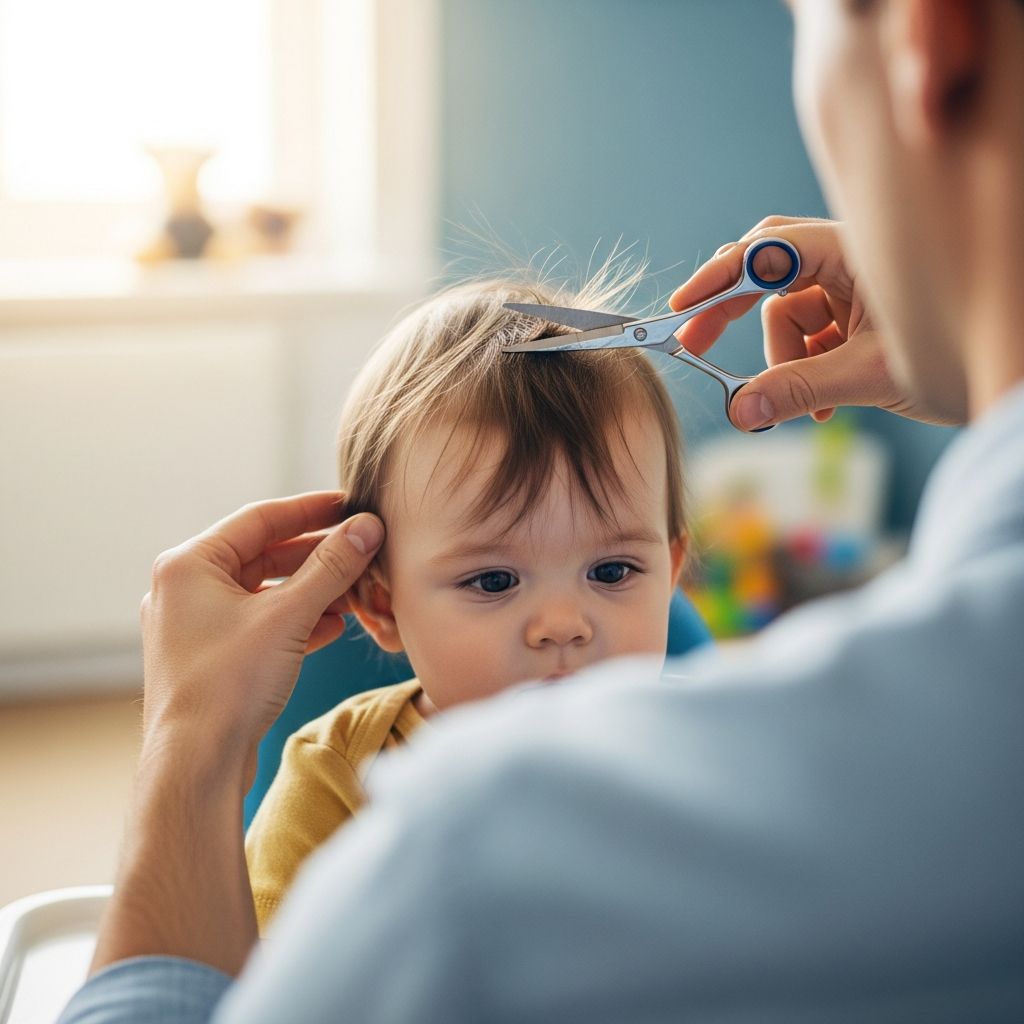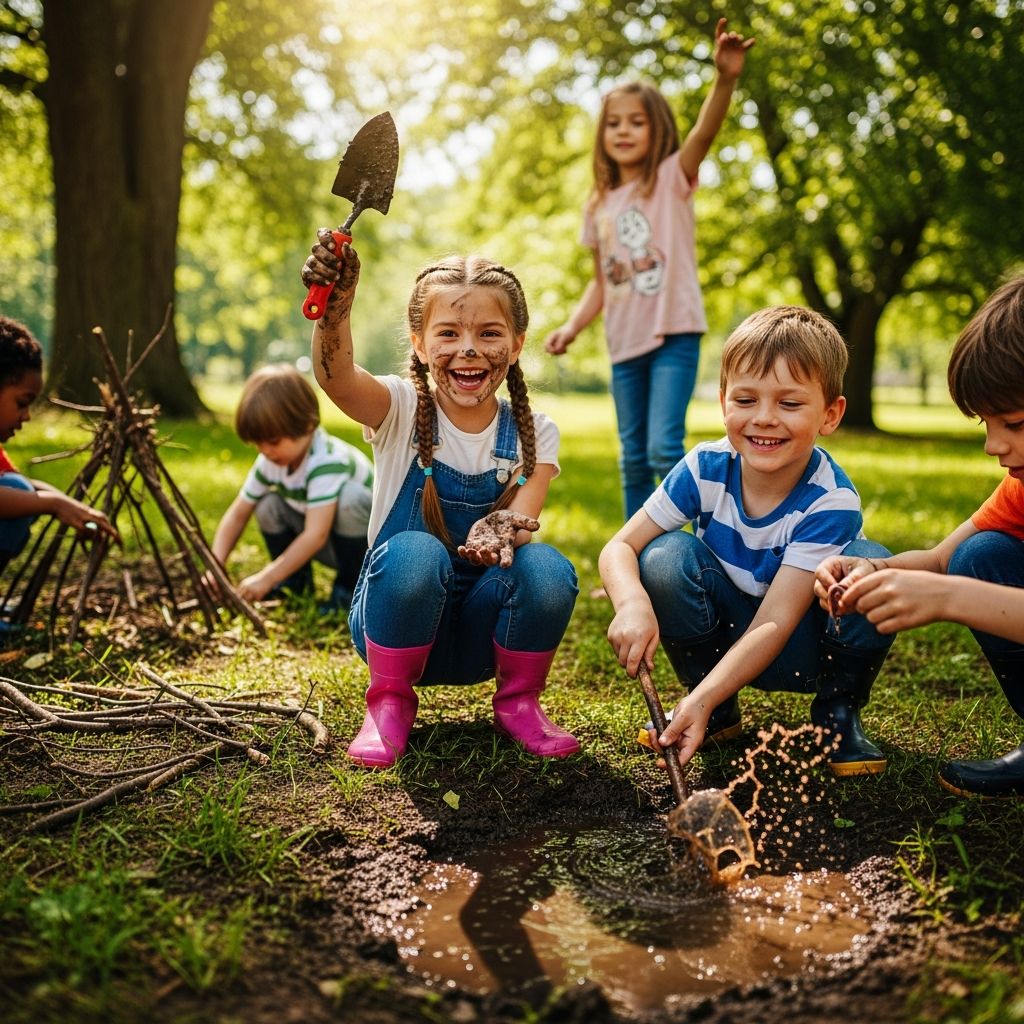
Modern parenting often emphasizes cleanliness, but emerging research reveals that allowing children to explore dirt and nature can significantly enhance their immune development. This approach challenges conventional hygiene practices by showing that controlled exposure to microbes helps prevent allergies, asthma, and autoimmune issues.
The Science of Microbial Exposure in Early Childhood
The foundation of this idea rests on the **hygiene hypothesis**, which posits that early-life encounters with diverse bacteria train the immune system to distinguish threats from harmless elements. Coined in the late 1980s by epidemiologist David Strachan, it observed lower allergy rates in children from larger families or farm environments due to frequent germ exposure.
Studies confirm that rural farm children, interacting with soil bacteria, exhibit fewer respiratory allergies. These microbes, like those from Bacteroides and Firmicutes, activate immune pathways when encountered in infancy, providing additive protection against chronic conditions.
Why Over-Cleaning May Backfire
Excessive sanitization disrupts the skin’s natural barrier, increasing vulnerability to infections and sensitivities. Experts like Dr. Jack Gilbert advocate for balanced hygiene: wash hands before meals to curb disease spread, but avoid sterilizing every surface.
- Avoid overuse of hand sanitizers, which strip beneficial microbes.
- Use eco-friendly cleaners instead of harsh chemicals.
- Opt for fresh outdoor soil over contaminated areas near pollutants or waste.
Inner-city studies highlight that not all dirt equates to benefits; early exposure to specific allergens like cockroach or rodent droppings correlates with reduced asthma if timed correctly in the first year.
Practical Strategies for Immune-Boosting Outdoor Adventures
Encourage unstructured play in natural settings to maximize microbial diversity. Social interactions with peers further amplify exposure through shared environments.
| Activity | Immune Benefit | Age Recommendation |
|---|---|---|
| Gardening or digging in soil | Soil bacteria stimulate immune cells | 6 months+ |
| Playing with pets | Diverse microbes from fur and feces | 1 year+ |
| Forest walks and bug hunting | Inhalation of environmental antigens | All ages, supervised |
| Daycare or sibling play | Peer-transmitted bacteria | Early childhood |
Combine these with vaccinations, which safely mimic germ exposure without full illness risk.
Holistic Habits to Support Developing Immunity
Beyond dirt, nutrition and activity play key roles. A diet rich in prebiotics (from fruits, veggies, whole grains) feeds gut microbes essential for 70% of immune function.
- Prioritize fermented foods like yogurt for probiotics.
- Limit processed sugars that disrupt microbiome balance.
- Ensure daily physical activity to circulate immune cells.
Opening windows for fresh air introduces beneficial aeromicrobes, mimicking natural ventilation in non-polluted areas.
Debunking Myths: Safe Dirt vs. Risky Filth
Not every grimy spot is equal. Distinguish “good dirt”—nutrient-rich garden soil—from hazardous sites with chemicals, heavy metals, or animal feces carrying pathogens. Supervised play minimizes risks while reaping rewards.
Research on baboons shows social microbe exchange shapes microbiomes, paralleling human children in group settings.
Long-Term Health Outcomes from Early Exposure
Longitudinal data links childhood microbe diversity to adult inflammation reduction. Those with early diarrhea episodes from animal exposure showed lower chronic inflammation markers.
Farm-raised kids benefit from mycobacteria in soil, programming T-regulatory cells to curb overreactions.
Frequently Asked Questions
How often should kids get dirty for immune benefits?
Daily outdoor play for 1-2 hours suffices; consistency matters more than intensity. Wash hands post-play but before eating.
Does this apply to infants under 6 months?
Supervised tummy time on clean outdoor rugs or gentle nature exposure starts benefits early, but avoid high-risk areas.
Can urban kids benefit without farms nearby?
Yes—community parks, balcony planters, or pet interactions provide ample microbes.
What if my child has allergies already?
Consult a pediatrician; gradual exposure under guidance may desensitize, per allergist studies.
Is handwashing counterproductive?
No—strategic washing prevents illness while play builds resilience.
Building a Resilient Generation
Integrating dirt play with smart hygiene fosters robust health. Parents can confidently promote mud pies and puddle jumps, knowing science supports this joyful path to stronger immunity.
References
- Can playing in the dirt boost my child’s immune system? — ABC Quality. 2023. https://abcquality.org/blog/can-playing-in-the-dirt-boost-my-child-s-immune-system/
- A Little Grime Can Boost Kids’ Health. But What Kind? — Science Friday. 2026-02-13. https://www.sciencefriday.com/segments/dirty-kids-healthy-immune-system/
- The Benefits of Dirty Kids — University of Utah Health. 2014-06. https://healthcare.utah.edu/healthfeed/2014/06/benefits-of-dirty-kids
- Are We Too Clean? Letting Kids Get Dirty and Germy — WebMD. N/A. https://www.webmd.com/parenting/features/kids-and-dirt-germs
- The Hygiene Hypothesis: True or False? — Cleveland Clinic. N/A. https://health.clevelandclinic.org/hygiene-hypothesis
- Is the Hygiene Hypothesis True? — Johns Hopkins Bloomberg School of Public Health. 2022. https://publichealth.jhu.edu/2022/is-the-hygiene-hypothesis-true