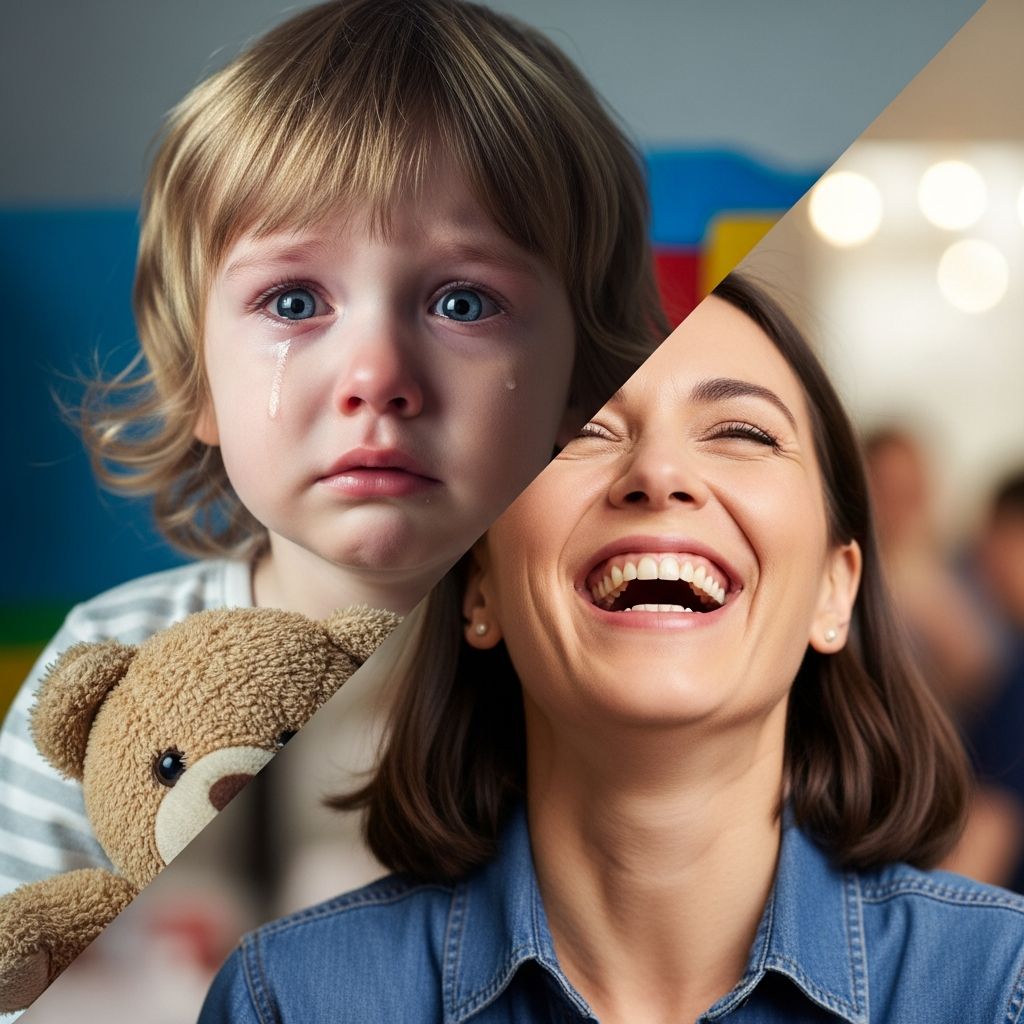
Lying is a common behavior in children and teenagers, often emerging as part of normal cognitive and social development. Research shows that most young children begin lying around age 3-4, using it to avoid punishment or explore boundaries, with proficiency increasing through adolescence due to advanced theory-of-mind skills. This guide draws on psychological studies to explain why it happens and provides actionable steps for parents to guide their children toward honesty.
Developmental Stages of Dishonesty
Children’s lying evolves predictably with age, reflecting growth in executive function, empathy, and moral reasoning. Understanding these phases helps parents respond appropriately rather than react with frustration.
- Preschool Years (Ages 3-5): At this stage, lies are often simplistic and tied to fantasy. Kids may claim an imaginary friend broke a toy because they struggle to separate imagination from reality. Studies using temptation resistance tasks show about 75% of 3-year-olds peek at a forbidden item and deny it, driven by basic inhibitory control rather than sophisticated deceit.
- Early School Age (Ages 6-8): Children develop first-order theory of mind, understanding others hold different beliefs. This enables initial false denials, but maintaining consistency is challenging. Older kids in this group provide plausible explanations 77% more often than younger peers.
- Middle Childhood (Ages 9-12): Second-order belief understanding emerges around age 6-7, allowing kids to anticipate what others infer from their statements. Lies become more elaborate as they navigate peer dynamics and seek autonomy.
- Teen Years (13+): Adolescents lie frequently to assert independence, avoid disappointing parents, or fit in socially. Peer pressure and emotional coping amplify this, with lies serving as a shield against vulnerability.
By recognizing these milestones, parents can view lying as a skill-building opportunity rather than defiance. For instance, a 4-year-old’s denial after sneaking cookies stems from fear of consequences, not malice.
Core Reasons Behind Children’s Lies
Lying serves various functions, from self-protection to social experimentation. Here’s a breakdown:
| Reason | Description | Example | Age Group |
|---|---|---|---|
| Avoiding Punishment | Primary motivator; kids weigh truth’s cost vs. lie’s benefit. | Denying homework completion to evade grounding. | All ages |
| Seeking Approval | Lies to impress peers or parents, boosting self-image. | Exaggerating a school achievement. | 6+ |
| Fantasy Blur | Young kids mix imagination with facts. | Claiming a dragon ate the vegetables. | 3-5 |
| Boundary Testing | Experimenting with adult reactions. | Falsely blaming a sibling for a mess. | 4-10 |
| Emotional Coping | Hiding shame or fear. | Denying bullying to avoid worry. | 8+ |
These motivations highlight lying as adaptive, helping children learn cause-and-effect and social norms. A study found lies correlate with moral evaluations, where kids who lie view transgressions less severely.
Cognitive and Social Factors Fueling Deception
Advanced research reveals lying requires specific brain functions. Executive functioning—holding conflicting ideas (truth vs. lie) in mind—peaks with age. Inhibitory control enables initial denials, while working memory sustains them.
Theory of mind (ToM) is crucial: First-order ToM (“Mom thinks X”) supports basic lies; second-order (“Mom thinks I think Y”) allows sophisticated cover-ups. In experiments, children maintaining lies scored higher on second-order ToM tasks.
Socially, empathy develops slowly; early liars may not grasp lies’ harm. Peers introduce pressure, teaching white lies for harmony. Trauma can make lying a survival tactic, signaling deeper issues.
Practical Strategies for Parents
Effective responses focus on teaching, not shaming. Stay calm to model emotional regulation.
- Clarify Expectations: Set clear rules beforehand. “No peeking, and tell me truthfully afterward—no punishment for honesty.”
- Use Natural Consequences: Link outcomes to behavior. If a child lies about notes, have them apologize and redeliver.
- Encourage Truth-Telling: Praise honesty lavishly. “I’m proud you told the truth; let’s fix this together.”
- Probe Gently: Ask open questions: “What happened?” instead of accusatory “Did you lie?”.
- Model Integrity: Admit your mistakes. Kids mimic parental honesty.
- Address Root Causes: If persistent, explore emotions or peers. Professional help if pathological.
For teens, emphasize trust’s long-term value. Negotiate privileges tied to reliability.
Age-Specific Intervention Table
| Age | Strategy | Goal |
|---|---|---|
| 3-5 | Ignore minor fantasies; focus on real transgressions with empathy. | Build reality distinction. |
| 6-8 | Logical consequences; discuss lie’s impact simply. | Develop ToM and inhibition. |
| 9-12 | Family meetings; role-play scenarios. | Foster moral reasoning. |
| 13+ | Privileges contracts; therapy if chronic. | Promote autonomy with accountability. |
Building a Culture of Honesty at Home
Create routines reinforcing truth: Daily check-ins without judgment, storytime with honesty themes like The Boy Who Cried Wolf. Limit screen time influencing exaggeration. Track progress with a honesty chart for rewards.
Research stresses consistency: Families with predictable responses see 30-50% lie reduction. Foster empathy via perspective-taking games.
Warning Signs of Problematic Lying
Occasional fibs are normal, but watch for:
- Frequent, elaborate lies unrelated to avoidance.
- Lying to manipulate or harm.
- Accompanied by anxiety, withdrawal.
These may indicate ADHD, trauma, or conduct issues. Consult pediatricians or psychologists. Early intervention prevents adult patterns.
Frequently Asked Questions (FAQs)
What if my child lies about everything?
Assess for underlying stress. Use calm fact-finding and therapy if needed. Consistency rebuilds trust over time.
Should I punish lies severely?
No; punishment can increase lying to avoid it. Opt for logical consequences promoting reflection.
Is lying a sign of bad parenting?
Absolutely not—it’s developmental. All kids lie; your response shapes outcomes.
How long does the lying phase last?
Varies; peaks in preschool and teens, lessens with maturity and guidance.
Can I prevent lying entirely?
Not fully, as it’s a milestone. Focus on minimizing harmful lies through modeling and support.
Lying tests family bonds but offers growth chances. Patient, informed parenting turns it into integrity lessons, yielding honest, resilient youth.
References
- Social and Cognitive Correlates of Children’s Lying Behavior — Talwar, V., & Lee, K. PMC. 2012-10-01. https://pmc.ncbi.nlm.nih.gov/articles/PMC3483871/
- Natural Born Liars: An Honest Discussion About Kids and Lying — JAI Institute for Parenting. 2023-01-15. https://www.jaiinstituteforparenting.com/natural-born-liars-an-honest-discussion-about-kids-and-lying
- Why is My Kid Lying to Me? — Long Island Behavioral Psychology. 2024-07-17. https://www.longislandbehavioral.com/blog/2024/7/17/why-is-my-kid-lying-to-me
- The Truth About Lying — Scholastic. 2023-05-10. https://www.scholastic.com/parents/family-life/social-emotional-learning/development-milestones/truth-about-lying.html
- What Causes Your Child To Try To Lie To You — Banner Health. 2024-02-20. https://www.bannerhealth.com/healthcareblog/teach-me/why-does-your-kid-lie
- Age-by-age guide to lying — Huckleberry. 2023-11-05. https://huckleberrycare.com/blog/age-by-age-guide-to-lying
- The truth about why kids lie, with Victoria Talwar, PhD — American Psychological Association. 2023-06-12. https://www.apa.org/news/podcasts/speaking-of-psychology/why-kids-lie