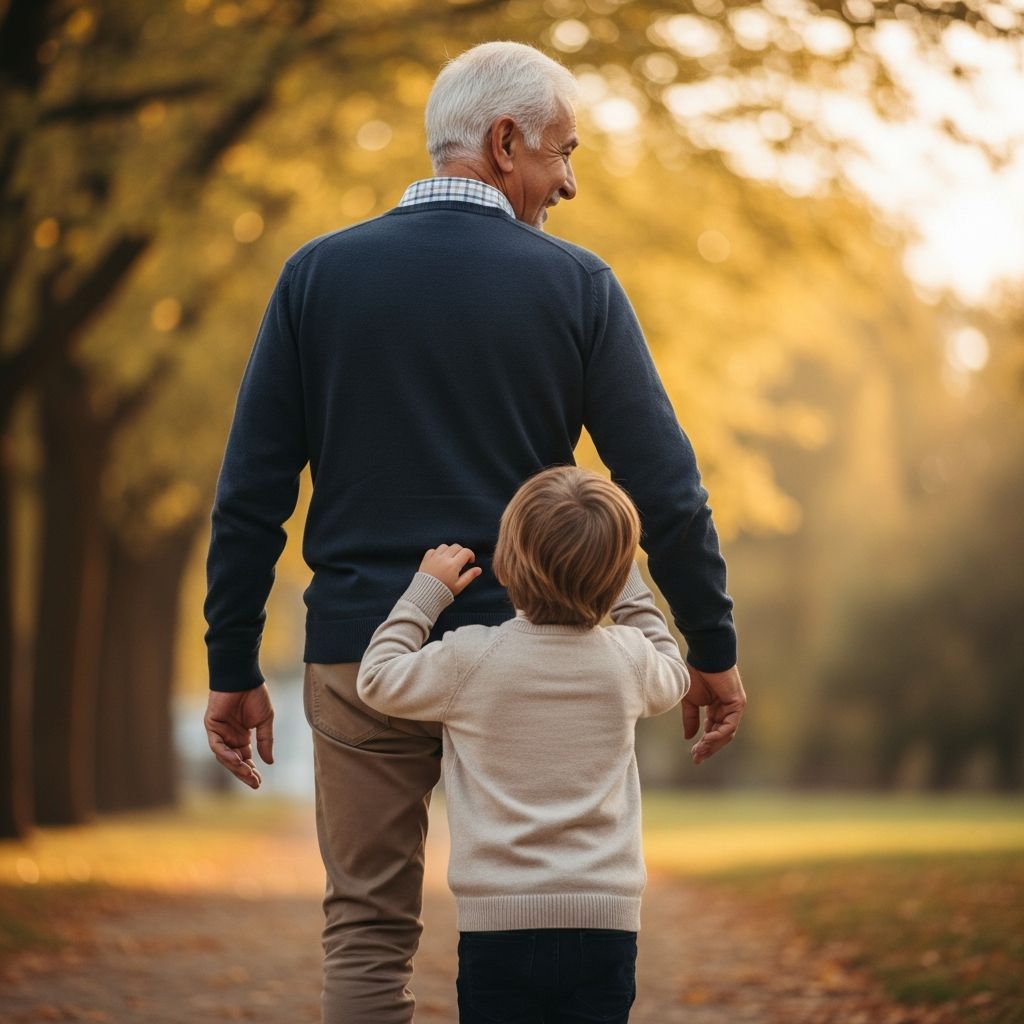
A toddler trailing behind a grandparent, carefully matching each step and even copying a distinctive walk, is one of those family moments that feels funny, sweet, and unforgettable all at once. What looks like a simple act of mimicry is actually a powerful sign of learning, love, and connection.
Why Children Copy the Adults They Love
Imitation is one of the earliest and strongest tools children use to understand their world. From facial expressions to body language and daily routines, kids watch and copy the people they trust the most. When a child decides to imitate a grandparent’s walk, that choice often reflects comfort, curiosity, and admiration.
- Learning by doing: Copying movement helps children practice balance, coordination, and motor skills.
- Checking for connection: Mimicry is a way of saying, “I see you, and I want to be like you.”
- Exploring identity: Kids experiment with different roles by borrowing gestures and styles from family members.
To adults, this may look like a funny, momentary behavior, but for a child it is part of a much bigger developmental pattern rooted in attachment and social learning.
Is Copying a Grandparent’s Walk Disrespectful?
Many caregivers wonder whether a child copying an unusual or slow walk might be seen as teasing or rude, especially if the grandparent lives with pain, uses a cane, or has mobility issues. In most cases with young children, the imitation is innocent and affectionate rather than mocking.
- Intent vs. impact: Toddlers and preschoolers usually lack the intent to insult; they are simply mirroring what they see.
- Emotion behind the action: If the child looks relaxed, playful, or proud, the behavior likely comes from a place of warmth.
- Opportunity for guidance: Adults can gently shape the moment into one of empathy and understanding.
When families respond with patience and humor, a potentially awkward situation can become a cherished memory that honors both the child’s curiosity and the grandparent’s dignity.
The Emotional Meaning Behind Imitation
Imitation is more than a copy; it is a form of emotional communication. When a grandchild mimics how a grandparent walks, stands, or holds a handrail, it often signals a deep sense of safety and closeness.
- Attachment: Children are most likely to imitate the people they feel securely attached to, such as parents, grandparents, or primary caregivers.
- Admiration: Copying a walk can be a child’s way of saying, “You are important to me,” even if they cannot put that feeling into words.
- Shared identity: When kids echo a family member’s mannerisms, they are beginning to understand themselves as part of a larger family story.
These subtle gestures often become treasured family lore, repeated in stories long after the child has grown up—proof that small moments can carry deep emotional weight.
Developmental Benefits of Mimicry
From a developmental standpoint, copying how an adult moves supports several areas of growth at once. What feels like a quick gag or playful act is actually exercise for the brain and body.
- Motor skills: Matching another person’s pace or posture challenges balance, coordination, and body awareness.
- Social understanding: Kids practice perspective-taking when they try to move as someone else moves.
- Self-regulation: Imitation helps children learn to control their bodies in deliberate, controlled ways.
As long as the behavior is safe and not putting pressure on painful movements, these small moments of mimicry can be surprisingly valuable for a child’s overall development.
How Grandparents Can Respond with Grace and Humor
Grandparents who notice a grandchild copying their walk might feel a swirl of emotions—amusement, self-consciousness, or even worry. The way they respond can turn the moment into a powerful lesson about love, acceptance, and resilience.
- Smile and acknowledge: A warm smile or gentle laugh reassures the child that they are not in trouble.
- Invite connection: Saying something like, “Are you walking like Grandpa?” can open the door to conversation.
- Share your story: This can be a chance to briefly explain why you walk the way you do, in age-appropriate language.
Handled with kindness, the moment becomes less about the difference in mobility and more about the strength and closeness of the relationship.
Turning a Cute Moment into a Teaching Opportunity
Parents and grandparents can gently shape a child’s playful imitation into a lesson about empathy, respect, and gratitude. This does not require a heavy or serious tone—just simple language and warmth.
- Explain that everyone’s body moves differently, and that it is okay for people to walk in their own way.
- Highlight the grandparent’s strengths and experiences, not only their limitations.
- Encourage the child to help or be gentle when walking together, if appropriate.
These small conversations help kids grow into compassionate people who can notice differences without judgment.
Examples of Positive Responses
Every family will respond differently, but certain approaches tend to create safety and connection. The goal is not to shut down the behavior completely, but to guide it toward kindness and mutual respect.
| Child Action | Unhelpful Response | Supportive Response |
|---|---|---|
| Child exaggerates a slow walk while giggling. | “Stop that, you’re being rude.” (said harshly) | “I see you’re trying Grandpa’s walk. His legs get tired sometimes, so let’s walk gently together.” |
| Child uses a toy cane to copy Grandpa. | Ignoring the behavior completely. | “That cane helps Grandpa stay steady. Isn’t it cool how he keeps moving even when it’s hard?” |
| Child walks side by side, matching steps. | Teasing the grandparent about their walk. | “Look at you two walking together! What good buddies you are.” |
By choosing supportive responses, adults teach children that differences in bodies or abilities are normal and worthy of respect.
Strengthening the Grandparent–Grandchild Bond
Beyond the cuteness of the moment, these shared experiences deepen the bond between generations. A grandchild who copies a grandparent’s walk is often seeking closeness, shared rhythm, and a feeling of “we belong together.”
- Shared routines: Regular walks, even short ones, can become a beloved ritual.
- Storytelling time: Walking together may prompt stories about the grandparent’s life, health journey, or childhood.
- Mutual support: The child feels proud to be a companion, while the grandparent feels seen and valued.
Over time, these simple acts of walking side by side can shape a powerful sense of connection that children carry with them into adulthood.
When to Step In or Redirect
Most of the time, a child imitating a grandparent’s walk is harmless and even beneficial. However, there are moments when gentle redirection may be helpful, especially if someone is feeling hurt or if safety is a concern.
- If the grandparent appears uncomfortable or embarrassed, a quiet, kind word with the child can reset the mood.
- If the child’s imitation gets too exaggerated or rough, guide them back to a calmer pace.
- If the child is old enough to understand, you can talk later about how to notice people’s feelings.
The key is to stay calm and supportive, so the child does not associate shame with curiosity or family differences.
Practical Tips for Parents and Grandparents
Families can prepare for these sweet, surprising moments by thinking ahead about how they want to respond. A little planning makes it easier to stay relaxed and compassionate in real time.
- Talk privately with the grandparent about how they feel and what kind of reaction would feel good to them.
- Give kids simple language: “Grandpa’s legs get tired,” or “Grandma’s back is sore, so she walks slower.”
- Celebrate togetherness by taking short, safe walks at a pace that works for everyone.
- Capture the moment in photos or videos (with consent) to remember the sweetness in later years.
These strategies can help transform a brief episode of mimicry into an ongoing source of warmth, humor, and family pride.
Frequently Asked Questions
Is my child making fun of their grandparent?
In early childhood, copying a walk is rarely meant as teasing. Most young kids are exploring movement and expressing affection through imitation. If you stay observant and respond gently, you can quickly tell whether the behavior is playful and loving or drifting toward mockery—and guide it accordingly.
Should I tell my child to stop copying?
There is usually no need for harsh corrections. Instead, acknowledge what they are doing, offer a simple explanation about the grandparent’s body, and encourage gentle behavior. If someone is uncomfortable, redirect the child to another playful activity while still validating their curiosity.
How can I explain mobility issues to a young child?
Use short, concrete language: “Grandpa’s knees hurt, so he walks slowly,” or “Grandma uses her cane to stay steady.” Reassure the child that different ways of walking are okay and that tools like canes or walkers help people stay safe and active.
What if the grandparent feels hurt or embarrassed?
Offer empathy to the grandparent first, and then talk with the child at a calm moment. Emphasize that you know they did not mean to hurt anyone, but that bodies and feelings deserve respect. Together, you can find new ways for the child to show love, such as holding hands, giving a hug, or walking side by side at a shared pace.
Can these moments really make a lasting impact?
Yes. Small, everyday interactions—like copying a walk, sharing a slow stroll, or laughing together in the hallway—often become the stories families tell for years. When handled with kindness, they help children associate differences with love, resilience, and belonging instead of shame or discomfort.
When a grandchild copies a grandparent’s walk, it is more than a passing joke. It is a glimpse into the way children learn, attach, and express love. With empathy, humor, and open communication, families can honor both the vulnerability and the beauty in these fleeting, unforgettable moments.