The Moment I Decided to Cut My Hair
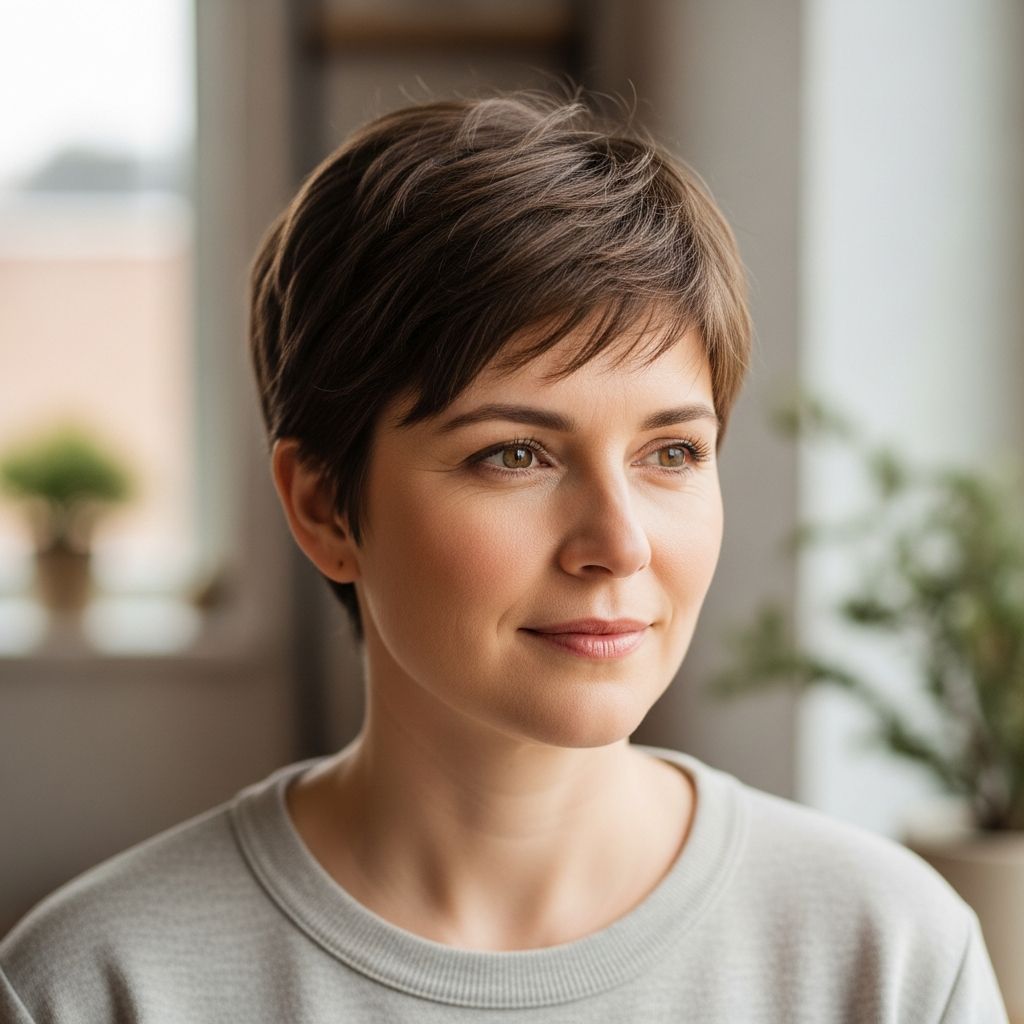
It wasn’t a dramatic breakdown or a sudden crisis that led me to the salon chair. It was something quieter, more persistent: a growing sense that the long hair I’d worn for years no longer felt like mine. I’d stand in front of the mirror, brush in hand, and feel a disconnect between the woman staring back and the image I carried in my head. The weight of it, both literal and symbolic, had become too much. That day, I didn’t just want a change in hairstyle—I wanted a change in how I saw myself.
What Long Hair Represented
For most of my life, long hair was part of my identity. It was how I was recognized, how I felt feminine, how I believed I looked ‘put together.’ I associated it with beauty, effort, and a certain standard of care. Letting it grow long felt like an investment in how others perceived me. Over time, that investment started to feel like a debt. I was constantly managing it—washing, drying, styling, repairing split ends, hiding thinning areas. It wasn’t just hair; it was a performance.
When I looked in the mirror, I didn’t see freedom or ease. I saw maintenance, comparison, and a quiet anxiety about how it would look on any given day. The longer it got, the more it felt like a costume I was afraid to take off. I worried that without it, I’d be less attractive, less polished, less me.
The Emotional Weight of Hair
Hair carries more than just physical weight. For many women, it’s tied to self-worth, femininity, and social acceptance. Studies show that hair loss or changes in hair can significantly impact self-esteem, body image, and even mental health, leading to increased anxiety, depression, and social withdrawal in some cases.
Even without medical hair loss, the pressure to maintain a certain look can be exhausting. The constant comparison to others, the fear of thinning or aging, and the effort required to keep up appearances can quietly erode confidence. For me, long hair had become a symbol of that pressure—a reminder that my value was somehow linked to how I looked, not who I was.
Why I Chose to Cut It Short
The decision to cut my hair short wasn’t about following a trend or rebelling. It was about reclaiming control. I wanted to:
- Stop spending so much time and energy on styling and maintenance
- Feel more comfortable in my own skin, not just in how I looked
- Challenge the idea that long hair was the only way to be feminine or attractive
- Make a visible change that reflected an internal shift I was already feeling
Cutting my hair felt like a declaration: I am more than my appearance. I am allowed to change. I am allowed to choose what feels right for me, not what I think others expect.
The First Cut: Fear and Freedom
Sitting in the salon chair, I was nervous. My hands were clenched, my heart racing. I kept imagining reactions—what my family would say, what my friends would think, whether I’d regret it. When the stylist asked how short, I took a breath and said, ‘Shorter than I’ve ever worn it before.’
As the scissors moved, I watched strands fall to the floor. With each cut, a strange mix of fear and relief washed over me. The fear was real: What if I hate it? What if I look wrong? What if this changes how people see me? But beneath that fear was something stronger: a sense of freedom, like I was shedding an old version of myself.
How My Self-Image Changed
In the days after the cut, my self-image shifted in ways I hadn’t expected. At first, I was hyper-aware of my reflection. I’d catch myself in mirrors, windows, phone screens, checking if I could still recognize myself. But slowly, that awareness turned into curiosity, then acceptance, and eventually, appreciation.
I noticed that I:
- Felt lighter, both physically and emotionally
- Spent less time in front of the mirror and more time living
- Started to focus more on how I felt than how I looked
- Received compliments that were about my face, my expression, my energy—not just my hair
My confidence didn’t come from the haircut itself. It came from the realization that I could make a bold choice and still be okay. That I could change something so visible and still be me.
Reactions from Others
People noticed. Some were surprised, a few were confused, and many were supportive. A few well-meaning comments stood out:
- ‘You look so different!’
- ‘Are you going through something?’
- ‘You look younger!’
- ‘You look so brave.’
What struck me was how much people projected their own meanings onto the change. For some, a short haircut meant a breakup, a crisis, or a midlife shift. For others, it was a sign of confidence or modernity. I realized that how others reacted said more about their own beliefs about hair, beauty, and identity than about me.
What I Learned About Confidence
Cutting my hair short taught me that confidence isn’t about looking a certain way. It’s about:
- Trusting yourself enough to make decisions that feel right, even if they’re unconventional
- Letting go of the need for constant approval
- Being willing to be seen, even when you’re not sure how you’ll be received
- Recognizing that your worth isn’t tied to a single feature or style
Confidence grew not from the haircut, but from the act of choosing it. It came from standing in the salon and saying, ‘This is what I want,’ even when part of me was afraid.
Practical Benefits of Short Hair
Beyond the emotional shift, there were real, everyday benefits to having short hair:
| Aspect | Before (Long Hair) | After (Short Hair) |
|---|---|---|
| Morning Routine | 30–60 minutes of washing, drying, styling | 10–15 minutes, often air-dried |
| Exercise | Uncomfortable, often tied up tightly | Light, easy, no need to manage |
| Travel | Required more products and time | Low-maintenance, easy to manage |
| Self-Consciousness | Worried about bad hair days, frizz, thinning | Less focus on hair, more on presence |
These practical changes added up. I had more time, less stress, and more energy for things that mattered to me.
When Hair Feels Like a Symbol
For many women, hair isn’t just hair. It can symbolize:
- Femininity and attractiveness
- Youth and vitality
- Control and self-expression
- Identity and how we want to be seen
Changing it—whether by cutting it short, dyeing it, or losing it—can feel like changing a core part of ourselves. That’s why decisions about hair can be so emotional. They’re not just about style; they’re about how we relate to ourselves and the world.
Letting Go of Perfection
One of the most freeing parts of cutting my hair short was letting go of the need for perfection. With long hair, I felt pressure to keep it ‘perfect’—smooth, shiny, styled. With short hair, I learned to embrace:
- Bad hair days as normal, not catastrophic
- Imperfections as part of my look, not flaws to hide
- Change as natural, not something to resist
Letting go of perfection didn’t just apply to my hair. It started to spill over into other areas of my life—how I parented, worked, and related to others. I became more forgiving of myself and more focused on authenticity than appearance.
How This Relates to Broader Self-Acceptance
Cutting my hair short was a small act, but it opened a door to deeper self-acceptance. It reminded me that:
- I don’t have to look a certain way to be worthy
- Change is not failure; it’s growth
- My value isn’t tied to how I meet external expectations
- I can redefine beauty and femininity on my own terms
That shift in mindset has had ripple effects. I’m more willing to take risks, speak up, and show up as I am, not as I think I should be.
Frequently Asked Questions
Was it hard to adjust to short hair?
Yes and no. The first few days were strange—I kept reaching for hair that wasn’t there. But the adjustment was easier than I expected because the emotional payoff was so strong. I felt freer, lighter, and more like myself.
Did people treat you differently after the cut?
Some did. A few seemed unsure how to react at first, but most adjusted quickly. What surprised me was how many people commented on my confidence or energy, not just my hair. It made me realize that how we carry ourselves often matters more than our appearance.
Do you ever miss long hair?
Sometimes, in a nostalgic way. I miss certain styles or how it felt to wear it down. But I don’t miss the time, stress, or self-consciousness that came with it. Overall, I feel more at peace with how I look now.
Would you recommend cutting hair short to others?
If it feels right for you, yes. A haircut can be a powerful way to mark a new chapter, reclaim control, or simply try something different. But it’s not a magic fix for deeper issues. If hair is tied to self-worth or mental health struggles, it’s important to also address those with support, not just a style change.
How can I decide if a big change like this is right for me?
Ask yourself:
- What does my current style represent to me?
- Am I doing this to please myself or to meet others’ expectations?
- What am I hoping to gain—more time, less stress, a sense of renewal?
- Am I ready to handle mixed reactions?
If the answers point to a desire for authenticity and freedom, it might be worth exploring.
Final Thoughts: More Than Just a Haircut
Cutting my hair short wasn’t just about changing my look. It was about changing my relationship with myself. It was a small, visible act that reflected a larger internal shift: a move from seeking approval to trusting my own choices, from focusing on appearance to valuing presence.
If you’re considering a big change—whether it’s cutting your hair, changing your style, or making another visible shift—know that it can be more than a surface-level decision. It can be a step toward self-acceptance, confidence, and the freedom to be exactly who you are, not who you think you should be.
References
- Psychological effects of hair loss — DermNet. 2023. https://dermnetnz.org/topics/psychological-effects-of-hair-loss
- Hair loss in women and its effect on quality of life — International Society of Hair Restoration Surgery (ISHRS). 2022. https://ishrs.org/hair-loss-in-women-and-its-effect-on-quality-of-life/
- The psychological consequences of androgenetic alopecia — Clinical, Cosmetic and Investigational Dermatology. 2023. https://pmc.ncbi.nlm.nih.gov/articles/PMC10084176/