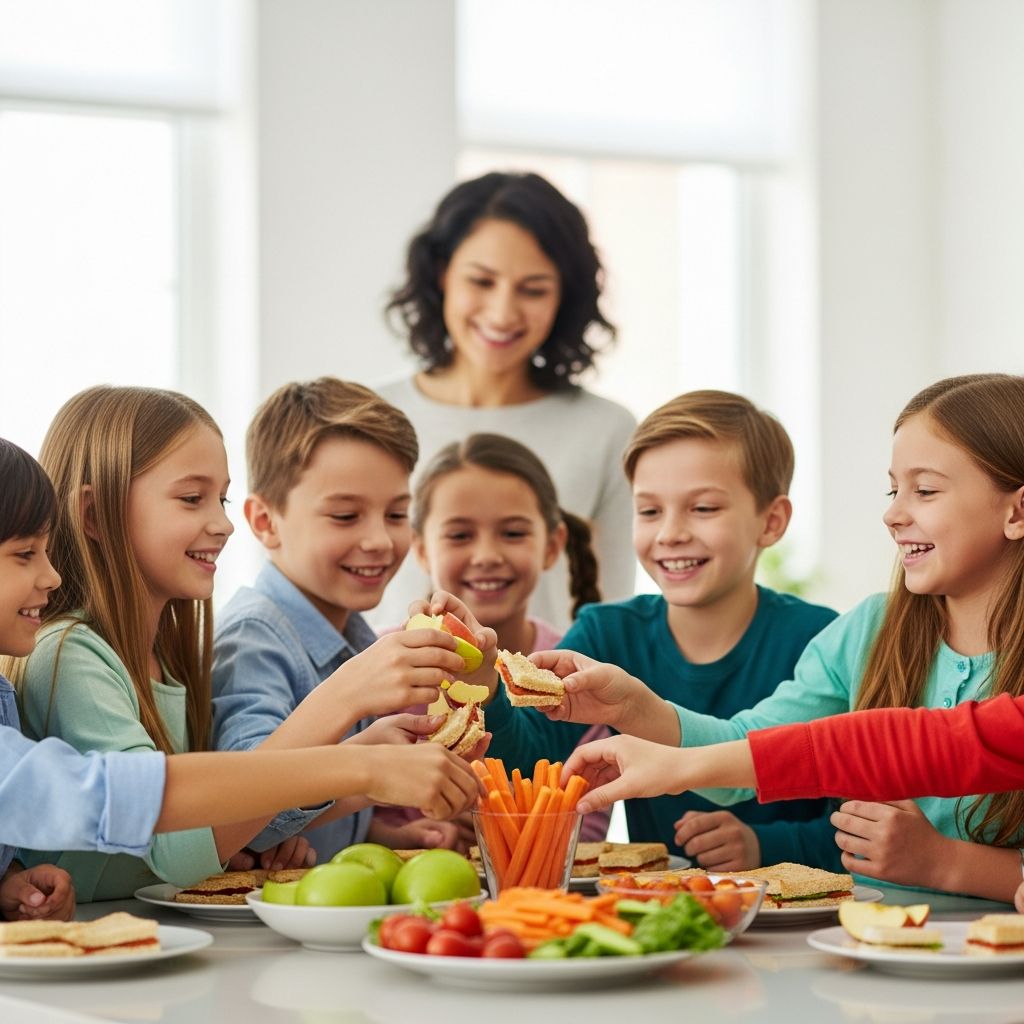
Hosting meals for your child’s companions is not a requirement, but it offers substantial advantages for social development, nutritional guidance, and family dynamics. This practice can foster lasting connections and model healthy behaviors during key formative years.
The Social Fabric of Shared Meals in Childhood
Meals shared among children and their peers create opportunities for natural bonding that extend beyond playtime. When kids gather around a table, conversations flow, laughter ensues, and mutual understanding deepens. Research shows that the presence of friends during eating occasions often enhances engagement, making these moments memorable building blocks for lifelong friendships.
Parents who open their kitchens to neighborhood youth often report smoother playdates and fewer disruptions. Instead of constant snack requests or energy crashes, structured mealtimes provide stability. This setup allows adults to monitor interactions subtly, ensuring safety while promoting inclusivity. Over time, these gatherings cultivate a sense of community, where children learn hospitality and reciprocity from a young age.
Peer Dynamics and Eating Patterns Among Youth
The influence of peers on food consumption is well-documented, particularly in children and teens. Studies reveal that young people tend to increase their energy intake when eating with friends, driven by social facilitation—a phenomenon where group settings amplify appetite. For instance, larger groups may lead to faster eating and higher consumption, attributed to heightened arousal and reduced self-inhibition.
However, familiarity plays a crucial role. Children eat more comfortably with known peers compared to strangers, highlighting the value of repeated interactions like those during home meals. This dynamic underscores why inviting friends regularly can normalize generous portions of nutritious foods, subtly shaping habits.
- Group Size Impact: Bigger gatherings correlate with quicker consumption rates.
- Familiarity Boost: Trusted friends encourage uninhibited eating.
- Arousal Effect: Excitement in crowds drives higher intake.
Modeling Healthy Choices Through Everyday Hosting
Adults at the table serve as powerful models for food selection and portion control. When parents prepare balanced plates featuring vegetables, proteins, and grains, children mirror these choices. Peer modeling amplifies this: if one child opts for fruit over chips, others follow suit, especially in younger groups.
Overweight youth appear particularly susceptible to these cues, making consistent exposure to wholesome options vital. Longitudinal data suggests perceived peer endorsement of healthy eating predicts lower fast food reliance into adulthood. By feeding friends, parents indirectly guide multiple children toward better patterns without direct lectures.
| Weight Status | Peer Influence on Intake | Example Outcome |
|---|---|---|
| Normal Weight | Moderate modeling effect | Matches peer snack volume |
| Overweight | Stronger sensitivity | Overeats with heavy peer eaters; persists over days |
| All Youth | Healthy peer demo | Increased veggie/fruit selection |
Mental Health Gains from Communal Dining
Beyond nutrition, shared meals with peers correlate with reduced anxiety, depression, and stress in adolescents. Regular social eating fosters emotional resilience, providing outlets for daily stresses. Families who include friends in dinners often notice happier, more communicative kids, as these rituals build trust and support networks.
Experts emphasize that approachable parenting—blending authority with warmth—enhances these benefits. Children confide more when homes feel welcoming, turning mealtimes into safe spaces for vulnerability. This balance prevents isolation during turbulent teen years.
Practical Strategies for Effortless Hosting
Embracing this role doesn’t demand gourmet skills or endless budgets. Start simple: stock versatile staples like yogurt, cheese sticks, and cut fruit for quick assemblies. Involve your child in prep to teach responsibility and excitement.
- Plan ahead with bulk buys of kid-approved favorites.
- Set clear house rules, like no screens at table.
- Rotate themes—taco nights or build-your-own pizzas—to keep it fun.
- Communicate with other parents about allergies and preferences.
Budget tips include potluck styles, where guests contribute sides, lightening your load while modeling sharing. Time it around school schedules for maximum attendance without overtime.
Navigating Boundaries and Expectations
Not every parent must participate; personal circumstances vary. If space, finances, or energy are limited, alternatives like park picnics work. The key is consistency in your chosen approach—kids thrive on predictability.
Address potential concerns head-on. Some worry about overstepping or enabling dependency, but clear guidelines prevent this. Politely decline when needed, explaining family routines. Most peers’ families appreciate the gesture, often reciprocating.
Frequently Asked Questions
How often should I feed my child’s friends?
Aim for regular playdate meals, 1-2 times weekly, adjusting for your schedule. Consistency builds habits without overwhelm.
Does this encourage picky eating?
Not if you offer varied, balanced options. Peers often inspire trials of new foods through modeling.
What if a child has dietary restrictions?
Ask parents upfront and prepare safe alternatives. It shows care and prevents issues.
Can this affect my child’s weight?
Positive modeling with healthy foods helps; monitor portions, especially for at-risk kids.
Is it okay to say no sometimes?
Absolutely—prioritize your family’s needs. Communicate kindly for ongoing goodwill.
Long-Term Impacts on Family and Community
Years later, these meals imprint values of generosity and inclusivity. Children grow into adults who host others, perpetuating cycles of connection. Families report tighter bonds, as kids share stories from these gatherings, weaving friends into home lore.
Community-wide, this practice counters isolation trends, especially post-pandemic. Schools and neighborhoods benefit from well-fed, socially adept youth ready for collaboration.
Countering Myths About Parental Roles
Some view friend-feeding as spoiling or over-involvement. Yet evidence supports dual roles: authoritative yet relational parenting yields respectful, open kids. Boundaries remain firm—chores, rules, consequences persist—while openness invites dialogue.
Debates on parent-child “friendships” highlight balance: trust enables guidance during challenges like peer pressure or identity shifts. Feeding friends exemplifies this, extending care outward.
References
- Influence of Peers and Friends on Children’s and Adolescents’ Energy Intake — Salvy SJ, et al. NIH/PMC. 2012-04-23. https://pmc.ncbi.nlm.nih.gov/articles/PMC3372499/
- Why Parents Can Benefit From Being Friends With Their Children — SavvyMom. N/A. https://www.savvymom.ca/article/parents-can-benefit-friends-children/
- Why We Shouldn’t Use Food as a Reward for Kids — Feeding My Kid (YouTube). N/A. https://www.youtube.com/watch?v=n8B4_xaA99Q
- Sharing meals with friends may lower depression, anxiety and stress in teens — News-Medical.net. 2023-05-03. https://www.news-medical.net/news/20230503/Sharing-meals-with-friends-may-lower-depression-anxiety-and-stress-in-teens.aspx