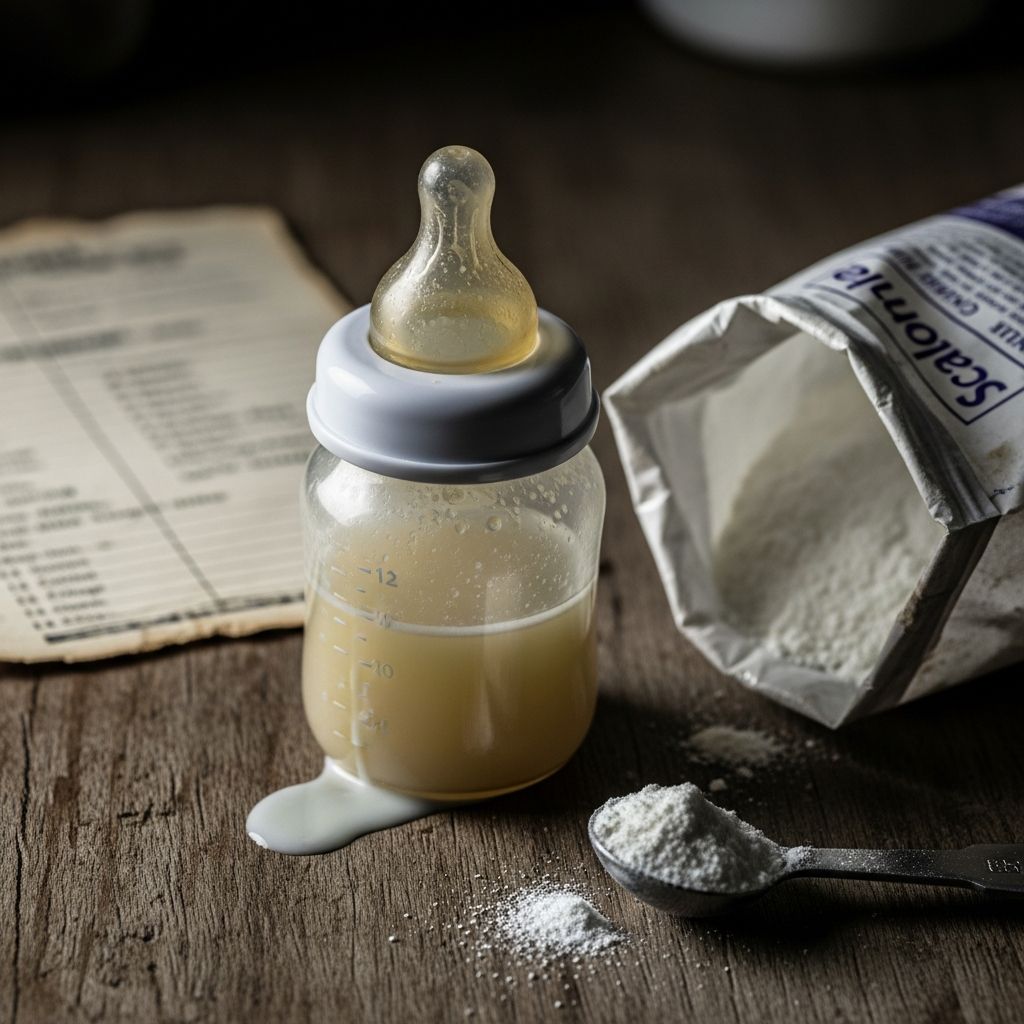
Homemade baby formula is not safe for infants and should be avoided entirely. Health authorities like the FDA strongly warn against it due to risks of nutrient deficiencies, contamination, and life-threatening illnesses.
Why Commercial Infant Formula is Essential
Infant formula serves as the primary or sole nutrition source for many babies not breastfed. Commercial products undergo rigorous FDA regulation to ensure they contain precise levels of proteins, fats, vitamins, and minerals vital for growth and development. These standards prevent imbalances that could harm a baby’s brain, bones, and immune system.
Unlike breast milk or approved formulas, homemade versions lack this oversight. Recipes circulating online often promise cost savings or natural benefits but fail to deliver balanced nutrition. Parents may believe they are creating healthier options, yet evidence shows otherwise, with potential for severe health consequences.
Critical Health Dangers of DIY Formulas
Preparing formula at home introduces multiple hazards that can lead to hospitalization or worse. Key risks include:
- Nutrient Shortfalls: Recipes may omit or underdose essential elements like calcium, vitamin D, iron, or protein, causing conditions such as hypocalcemia (low blood calcium) or rickets.
- Bacterial Contamination: Ingredients like raw milk harbor pathogens including Salmonella and E. coli, risking infections especially in newborns with immature immune systems.
- Excess Nutrients: Overloading on certain components, such as sugar or fats from unprocessed sources, can lead to obesity, electrolyte imbalances, or organ strain.
- Allergic Reactions: Unregulated ingredients like nut milks (e.g., almond) introduce allergens unsuitable for infants under one year.
The FDA has documented cases of infants hospitalized after consuming homemade formulas, underscoring these dangers as potentially life-threatening.
Real-World Cases and Expert Warnings
Health agencies worldwide echo these concerns. In the U.S., FDA alerts highlight infants suffering from severe calcium deficiencies after being fed DIY mixtures. A 2024 study revealed many online recipes incorporate harmful elements like unpasteurized milk, lacking scientific validation.
Pediatric organizations like the American Academy of Pediatrics (AAP) and KidsHealth emphasize that no home recipe matches commercial standards. Historical practices from decades ago are obsolete due to advanced nutritional science and safety regulations.[10]
| Risk Factor | Potential Consequence | Source Example |
|---|---|---|
| Low Calcium | Hypocalcemia, seizures | FDA reports |
| Bacterial Pathogens | Foodborne illness, hospitalization | Raw milk use |
| Vitamin D Deficiency | Rickets, bone deformities | CDC-linked cases |
| Imbalanced Electrolytes | Brain swelling, organ failure | Watered-down mixes |
Common Misconceptions About Homemade Recipes
During shortages, social media promotes “traditional” or “natural” formulas using goat milk, rice water, or herbal blends. These claims lack evidence and ignore infants’ unique needs.[10] For instance:
- Raw or powdered cow milk is inappropriate before age one due to high protein loads straining kidneys.
- Plant-based milks like almond or soy fail to provide complete proteins or fats.
- Even pasteurized versions don’t guarantee sterility without lab testing.
Experts from Nationwide Children’s Hospital and Rutgers Health stress that good intentions don’t mitigate risks—babies cannot communicate nutritional distress early.
Safe Alternatives During Formula Challenges
Shortages happen, but safe options exist without resorting to DIY:
- Stock Up Strategically: Buy from trusted retailers and follow expiration dates.
- Consult Pediatricians: They can recommend approved substitutes or imported formulas under FDA review.
- Pasteurized Donor Milk: Via milk banks for medically fragile infants, not casual use.
- Emergency Guidelines: WHO protocols for crises use specific, vetted recipes under supervision—not home adaptations.
Never dilute formula, use expired products, or import unapproved brands.
Proper Preparation of Store-Bought Formula
To maximize safety:
- Use safe water: Bottled or tested tap; boil if needed for vulnerable babies.
- Follow exact package ratios—too much water dilutes nutrients.
- Sterilize bottles and utensils.
- Store prepared formula refrigerated up to 24 hours; discard leftovers.
For preemies or immunocompromised infants, seek pediatrician advice on extra steps like using low-fluoride water.
Long-Term Nutrition Guidance for Infants
Babies thrive on breast milk or FDA-approved formula until 12 months. Introduce solids gradually per AAP timelines, avoiding cow milk until then. Regular check-ups monitor growth and catch issues early.
Parental education empowers safe choices. Resources from CDC, AAP, and local health departments provide evidence-based advice amid misinformation.
Frequently Asked Questions
Can I make homemade formula if store-bought is unavailable?
No. FDA and pediatric experts unanimously advise against it due to proven risks. Contact your doctor for alternatives.
What if my baby has been fed homemade formula?
Seek immediate medical evaluation. Report symptoms to healthcare providers and local health departments.
Is raw milk safe in baby formulas?
Absolutely not. It carries high risks of bacterial infections like E. coli.
How do I know if water is safe for mixing formula?
Test tap water or use bottled. Consult local health departments, especially for young or premature infants.
Are there any approved homemade options in emergencies?
Only under strict WHO emergency guidelines with professional oversight—not for home use.
References
- Infant Formula: Safety Do’s and Don’ts — U.S. Food and Drug Administration (FDA). 2023-10-12. https://www.fda.gov/consumers/consumer-updates/infant-formula-safety-dos-and-donts
- FDA Advises Parents and Caregivers Not to Make or Feed Homemade Infant Formula to Infants — U.S. Food & Drug Administration (FDA). 2021-02-24. https://www.fda.gov/food/alerts-advisories-safety-information/fda-advises-parents-and-caregivers-not-make-or-feed-homemade-infant-formula-infants
- Dangers of Homemade Infant Formula and Formula Hacks — Nationwide Children’s Hospital. 2024-10-01. https://www.nationwidechildrens.org/family-resources-education/700childrens/2024/10/dangers-of-homemade-infant-formula
- Is Homemade Baby Formula Safe? — KidsHealth (Nemours). 2023-01-15. https://kidshealth.org/en/parents/homemade-formula.html
- Is Homemade Baby Formula Safe? — American Academy of Pediatrics (HealthyChildren.org). 2023-05-20. https://www.healthychildren.org/English/ages-stages/baby/formula-feeding/Pages/Is-Homemade-Baby-Formula-Safe.aspx