Practical life skills once central to education, such as cooking nutritious meals, managing household finances, and maintaining a clean living space, have faded from school curricula, leaving many young adults unprepared for independent living. Reviving these competencies through home economics-inspired training can bridge this gap, fostering self-reliance and long-term well-being.
The Historical Roots of Practical Home Training
Home economics emerged in the late 19th century as a structured discipline aimed at elevating household management to a science-based practice. Pioneers like Ellen Richards integrated chemistry, biology, and economics to professionalize domestic tasks, enabling women to manage homes efficiently and pursue further education or careers. This field divided into key domains: nutrition and meal preparation, child care, community engagement, interior organization, textile care, financial planning, and personal health practices.
Early programs emphasized balanced nutrition to combat food-related illnesses, teaching preservation techniques and safe cooking methods. Child development modules involved hands-on care simulations, while budgeting lessons focused on wise spending for family needs. These elements were designed not just for survival but to promote societal progress through healthier, more organized households.
Why These Skills Vanished from Classrooms
By the mid-20th century, home economics classes proliferated, but shifts in educational priorities and societal norms led to their decline. Budget cuts favored core subjects like math and science, while gender role evolutions reduced the perceived necessity for gendered domestic training. Fast-paced lifestyles amplified by convenience foods and online shopping further diminished demand.
In the U.S., programs dwindled as schools prioritized standardized testing. Globally, similar trends occurred; however, countries like Japan mandated inclusive home economics in 1947, crediting it with advancing gender equity and public health. Today, millennials and Gen Z often enter adulthood lacking basics like meal planning or basic repairs, relying on apps and services that incur extra costs.
Critical Skills Every Adult Needs Today
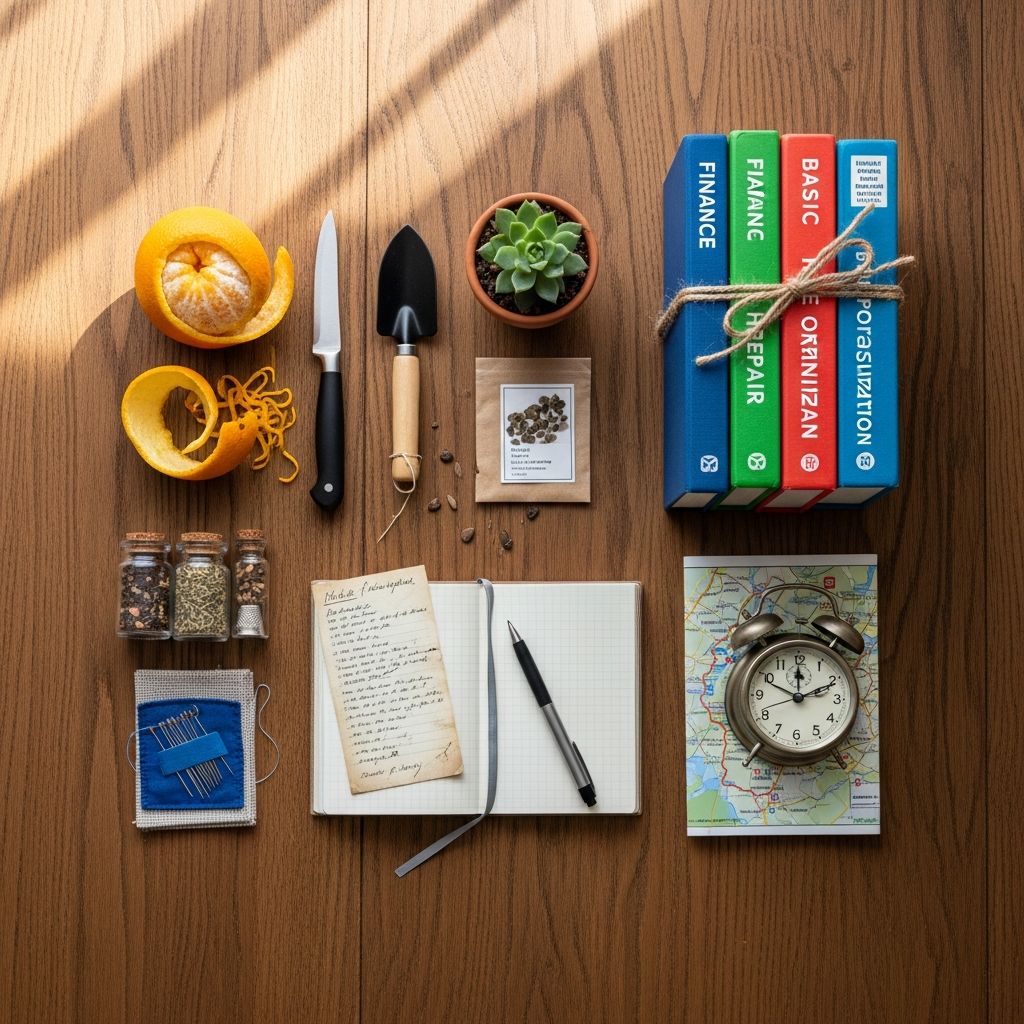
To thrive independently, modern adults require a toolkit of practical abilities. Here’s a breakdown of essential categories:
- Nutritional Cooking: Preparing affordable, healthy meals prevents reliance on processed foods and supports wellness.
- Financial Literacy: Budgeting and smart shopping curb debt and build savings.
- Home Maintenance: Basic cleaning, repairs, and organization create sustainable living spaces.
- Health and Hygiene: Preventive care routines reduce illness and medical expenses.
- Resource Management: Sewing, upcycling, and energy conservation promote eco-friendly habits.
These skills intersect with academic subjects; for instance, math applies to budgeting, science to nutrition labels.
Comparing Traditional vs. Modern Skill Applications
| Skill Area | Historical Focus | Modern Relevance |
|---|---|---|
| Cooking | Preserving food, family meals | Quick healthy recipes, dietary restrictions |
| Budgeting | Household accounts | App-based tracking, debt management |
| Sewing/Textiles | Mending clothes | Sustainable fashion, custom alterations |
| Home Design | Cleanliness standards | Minimalist organization, smart homes |
| Health | Disease prevention | Mental health routines, fitness integration |
This table illustrates how timeless principles adapt to contemporary needs, enhancing efficiency in a digital age.
Health Impacts of Skill Deficiencies
Lacking cooking proficiency correlates with higher obesity rates and poor dietary habits. Youth uncomfortable in kitchens face lifelong disadvantages, as noted in public health analyses. A renewed curriculum could counter this by teaching meal prep alongside nutrition science, aligning with initiatives like Michelle Obama’s campaigns for better school foods—yet home skills extend impact beyond classrooms.
Financial illiteracy exacerbates issues; states like Pennsylvania now mandate personal finance courses, showing positive effects on credit and debt behaviors. Integrating these with home economics maximizes benefits.
Global Perspectives on Lifelong Learning
Japan’s model demonstrates success: mandatory co-ed classes since post-WWII have equalized roles and improved health outcomes, per educators. Danielle Dreilinger’s research highlights home economics’ broader legacy, from school lunches to care labels, advocating an ecological approach linking homes to global challenges.
Bringing Skills Back: Practical Strategies
Revival doesn’t require overhauling schools. Communities can act:
- Parent-led workshops on basic cooking and budgeting.
- Online platforms offering free modules in home management.
- School advocacy for electives blending life skills with STEM.
- Corporate programs for young employees focusing on work-life balance tools.
The COVID-19 era underscored home-centric living, boosting interest in DIY and self-sufficiency via media trends.
Case for Policy and Curriculum Changes
Making practical education mandatory, as Dreilinger suggests, elevates its status. Studies confirm integration doesn’t reduce core subject time; budgeting lessons reinforce math, cooking bolsters science. With trade shortages looming, skills like basic repairs prepare youth for high-demand careers.
Frequently Asked Questions
Is home economics only for women?
No, modern versions are inclusive, teaching vital skills to all genders for equitable independence.
Can these skills be learned outside school?
Yes, through apps, community classes, and family mentoring, though structured programs yield best results.
How does home economics fight obesity?
By building kitchen confidence and nutritional knowledge, countering reliance on unhealthy conveniences.
What’s the economic value of these skills?
They cut living costs via home cooking, repairs, and smart budgeting, boosting financial health.
Should schools mandate life skills classes?
Experts argue yes, to prepare students holistically for adulthood beyond academics.
References
- Is Home Economics Still Relevant in the 21st Century? — Observatory, Tecnológico de Monterrey. 2023-05-15. https://observatory.tec.mx/edu-news/home-economics-21st-century/
- Why Home Ec Deserves Respect — Columbia College Today. 2021-06-01. https://www.college.columbia.edu/cct/issue/springsummer-2021/article/why-home-ec-deserves-respect
- Bring Back Home Economics Education — National Library of Medicine, PMC. 2019-11-01. https://pmc.ncbi.nlm.nih.gov/articles/PMC6886379/
- Home Economics: A Thing of the Past? — Pittsburgh Parent. 2023-08-20. https://www.pittsburghparent.com/home-economics-a-thing-of-the-past/