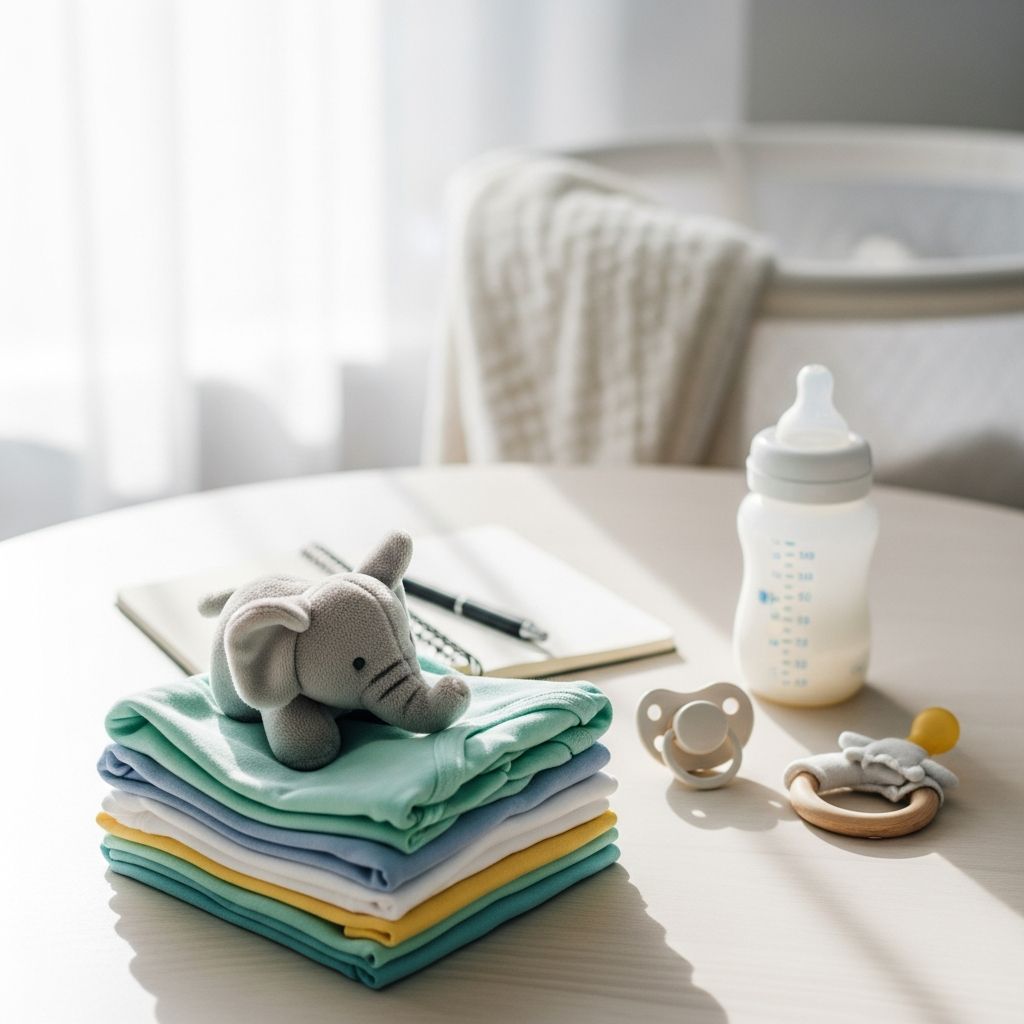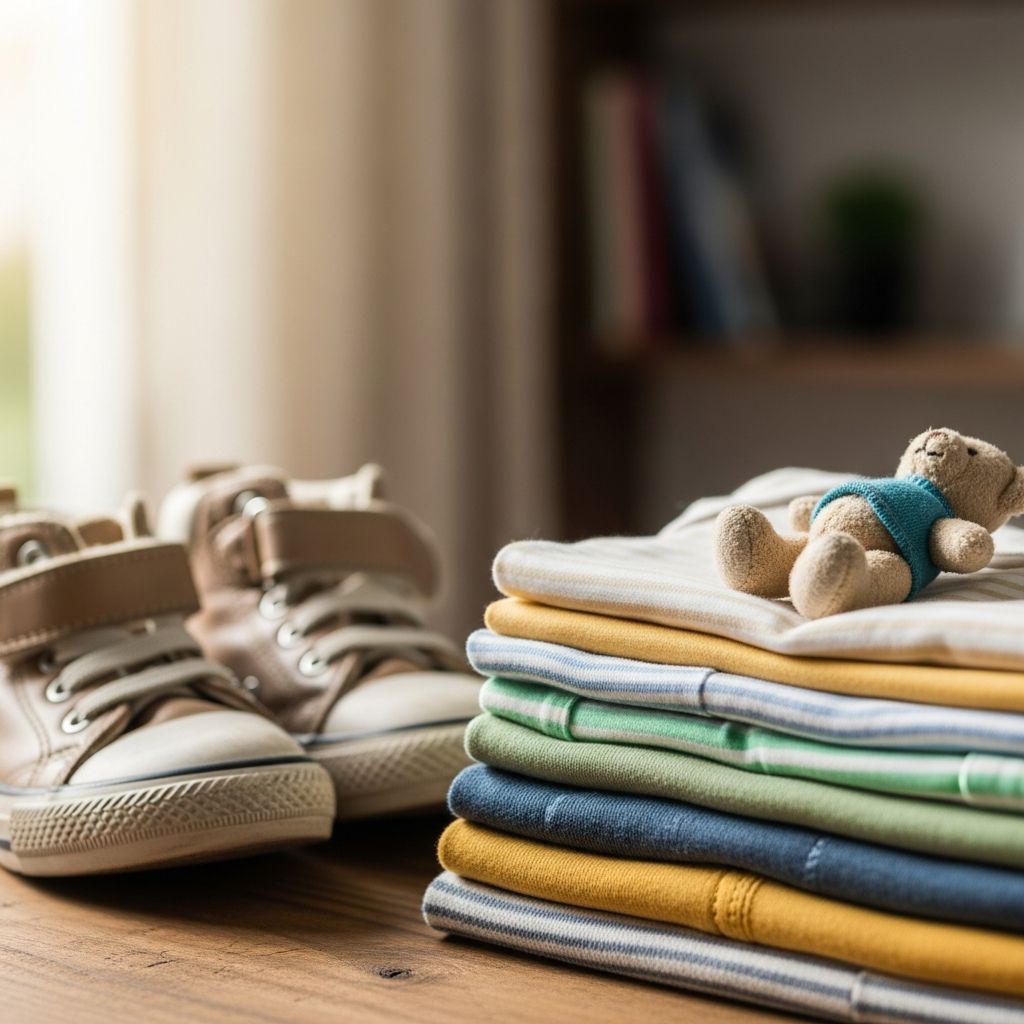
Receiving bags of gently used baby clothes from a friend marks a rite of passage for many new parents. These gifts, often overflowing with tiny outfits and accessories, carry layers of meaning beyond their practical use. They symbolize community support, environmental responsibility, and the shared journey of raising children. In a world of fast fashion and consumerism, embracing hand-me-downs offers a refreshing path to mindful parenting.
The Financial Freedom of Shared Wardrobes
One of the most immediate advantages of hand-me-downs is the substantial cost savings they provide. Raising a child involves relentless expenses on clothing, as kids outgrow sizes every few months. According to the USDA, the average annual cost for clothing a child under age 2 exceeds $800 in the U.S. alone. Hand-me-downs slash this budget dramatically, freeing up funds for essentials like diapers, formula, or educational toys.
Parents frequently recount how these donations arrive just in time. A friend might pass along five bags filled with newborn onesies, pajamas, and outerwear, covering needs for an entire season. This cycle continues as older siblings’ clothes are reused within families or shared among friends. Beyond direct savings, it reduces the impulse to shop excessively, promoting a frugal mindset that benefits long-term family finances.
- Immediate savings: No need to buy new outfits for growth spurts.
- Quality assurance: Items from trusted friends are often premium brands at zero cost.
- Long-term budgeting: Encourages planning around community networks rather than retail therapy.
Environmental Wins from Reusing Children’s Clothes
Hand-me-downs play a crucial role in sustainable living, countering the fashion industry’s massive environmental footprint. Producing a single cotton t-shirt requires over 700 gallons of water, and the sector contributes 10% of global carbon emissions, per UN Environment Programme data. By extending the lifecycle of garments, parents actively reduce waste and resource consumption.
Children’s clothing is particularly suited to this model due to rapid turnover. A shirt worn by one child for months gets a second (or third) life, diverting textiles from landfills. This practice instills eco-awareness early; families who participate often adopt broader habits like composting or energy conservation. Communities of swapping parents amplify the impact, creating mini-economies of reuse that lessen collective demand for new production.
| Impact Area | New Clothing | Hand-Me-Downs |
|---|---|---|
| Water Usage | High (700+ gal per item) | Minimal (reused) |
| Carbon Emissions | Contributes to 10% global | Reduces by extending life |
| Landfill Waste | Fast disposal | Delayed by years |
Building Emotional Bonds Through Passed-Down Garments
Beyond practicality, hand-me-downs weave emotional threads into family life. Each item tells a story—a favorite dress from a playdate, pajamas worn during a milestone night. When a friend hands over bags, it’s not just clothes; it’s an act of generosity that deepens friendships. New parents feel seen and supported, easing the isolation of early parenthood.
Children, too, connect through these heirlooms. Wearing an outfit once beloved by a cousin or friend’s child sparks curiosity and kinship. Parents share anecdotes: “Your aunt wore this on her first beach trip.” This storytelling fosters empathy and a sense of continuity across generations. In diverse friend groups, it breaks down barriers, as clothes circulate freely without regard for perfection.
Challenging Gender Norms with Versatile Clothing
Hand-me-downs dismantle outdated gender stereotypes in children’s fashion. Neutral colors and patterns—think rainbows, animals, or vehicles—pass seamlessly between siblings or peers regardless of gender. This exposure broadens horizons: boys in soft pastels, girls in bold prints, normalizing variety from infancy.
Parents report transformative shifts. One mother noted her son thriving in pink hoodies from his sister’s stash, while her daughter rocked dinosaur tees. Such flexibility saves money and promotes inclusivity, teaching kids that self-expression trumps societal boxes. As these children grow, they’re less likely to enforce rigid norms, carrying forward a legacy of openness.
Navigating the Etiquette of Giving and Receiving
While hand-me-downs are treasures, etiquette ensures they’re given thoughtfully. Donors should clean items, sort by size, and include a note highlighting favorites. Avoid stained or worn-out pieces unless specified; recipients appreciate honesty about condition. A quick text like, “These were our go-tos—hope they work for you!” adds warmth.
Recipients can reciprocate with thanks—perhaps a photo of the child in the outfit or passing along their own discards later. This mutual respect turns one-way giving into a reciprocal circle, strengthening parent networks. Mismatches happen; politely declutter unwanted items without guilt, donating elsewhere if needed.
Life Lessons Imprinted on Tiny Shoulders
The true magic of hand-me-downs emerges in the lessons they impart to children. Watching parents sort bags teaches gratitude and resourcefulness. Kids learn that joy comes from sharing, not owning new things exclusively. As they outgrow items and pass them on, they grasp cycles of giving, mirroring real-world generosity.
Reflecting on childhood, many adults cherish these experiences. Hand-me-downs built resilience against materialism, highlighting kindness over brands. In today’s screen-heavy world, they ground families in tangible connections, proving that secondhand can feel profoundly special.
Practical Tips for Starting Your Hand-Me-Down Network
Building a sharing circle is straightforward. Join local parent groups on social media or apps like Buy Nothing. Host swap meets where families exchange sizes seasonally. Label bags clearly: “0-3 months, gender-neutral.” Track inventories with simple spreadsheets for easy returns.
- Start small: Ask one friend for basics.
- Organize: Wash, fold, and categorize promptly.
- Give back: Rotate items to keep the flow going.
- Digital aid: Use apps for virtual swaps.
Frequently Asked Questions (FAQs)
What should I do with hand-me-downs that don’t fit or suit my child?
Donate them to shelters, charities, or local swaps. Always launder first to pass on cleanliness.
Are hand-me-downs hygienic for babies?
Yes, if washed thoroughly in hot water with baby-safe detergent. Inspect for rips or allergens.
How do I politely decline unwanted hand-me-downs?
Thank the giver sincerely, then say, “We’re set for this size but appreciate the thought!”
Can hand-me-downs include toys or gear?
Absolutely—cleaned items like sterilizers or cribs are invaluable, especially like-new ones.
Do hand-me-downs lose their charm for kids?
No; stories behind them often make them cherished heirlooms, teaching sharing early.
References
- Household Expenditures on Children by Families — United States Department of Agriculture (USDA). 2023-10-01. https://www.cnpp.usda.gov/sites/default/files/expenditures_on_children_by_families/crc2023.pdf
- Environmental Impact of Textiles — United Nations Environment Programme (UNEP). 2024-02-15. https://www.unep.org/resources/report/environmental-impact-textiles
- Sustainable Clothing Practices — Ellen MacArthur Foundation. 2025-01-20. https://ellenmacarthurfoundation.org/topics/fashion/overview
- Child Development and Material Sharing — American Psychological Association (APA). 2024-06-10. https://www.apa.org/pubs/journals/releases/dev-dev0001234.pdf
- Family Economics and Child-Rearing Costs — Brookings Institution. 2023-11-05. https://www.brookings.edu/research/the-cost-of-child-rearing-in-america/