Halloween transforms ordinary parents into vibrant characters from their past, reigniting the joy of childhood through costumes that bridge generations. This annual ritual not only delights children but also provides adults with a profound opportunity for emotional reconnection and personal growth.
Unlocking Childhood Memories Through Dress-Up
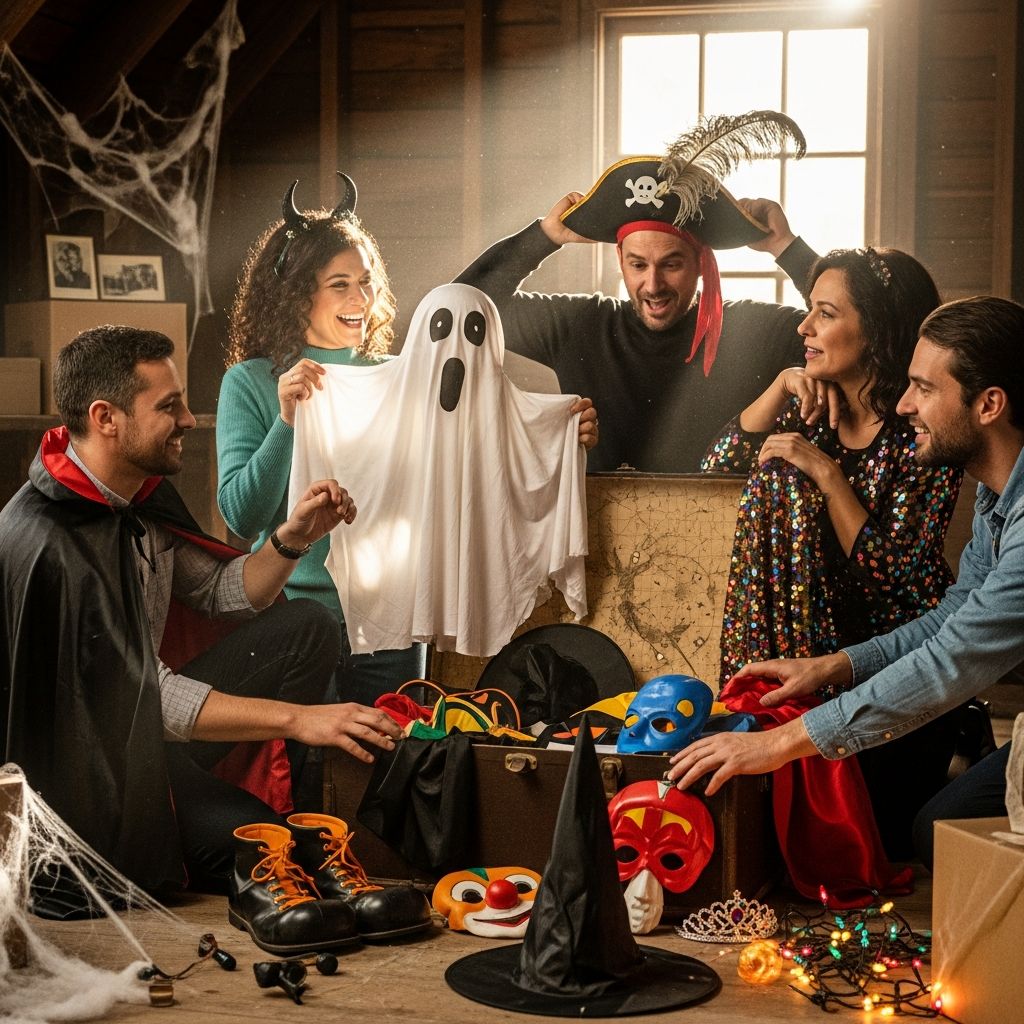
Slipping into a familiar costume evokes powerful waves of nostalgia, pulling parents back to carefree days of imagination and adventure. Psychologists note that costumes enable a temporary escape from adult responsibilities, allowing individuals to revisit the unfiltered excitement of youth. For many parents, selecting outfits reminiscent of their own Halloween escapades—think pirates, witches, or superheroes—creates an emotional portal to simpler times.
This nostalgic pull is more than sentiment; it serves as a mental reset. Studies on identity and attire show that clothing influences behavior and mindset, much like how a doctor’s coat enhances focus and precision. Parents report feeling lighter and more playful, shedding the weight of daily stresses as they embody youthful personas alongside their kids.
The Psychological Power of Costume Transformation
Costumes act as psychological catalysts, fostering identity experimentation in a low-stakes environment. By donning disguises, parents explore hidden facets of their personalities—boldness, creativity, or whimsy—that everyday life often suppresses. This shift provides liberating anonymity, encouraging behaviors outside normal comfort zones without lasting consequences.
- Adrenaline and Excitement: Scary or adventurous outfits trigger safe adrenaline rushes, mimicking thrill-seeking from youth.
- Self-Empowerment: Choosing empowering characters builds resilience, especially for those facing life’s challenges.
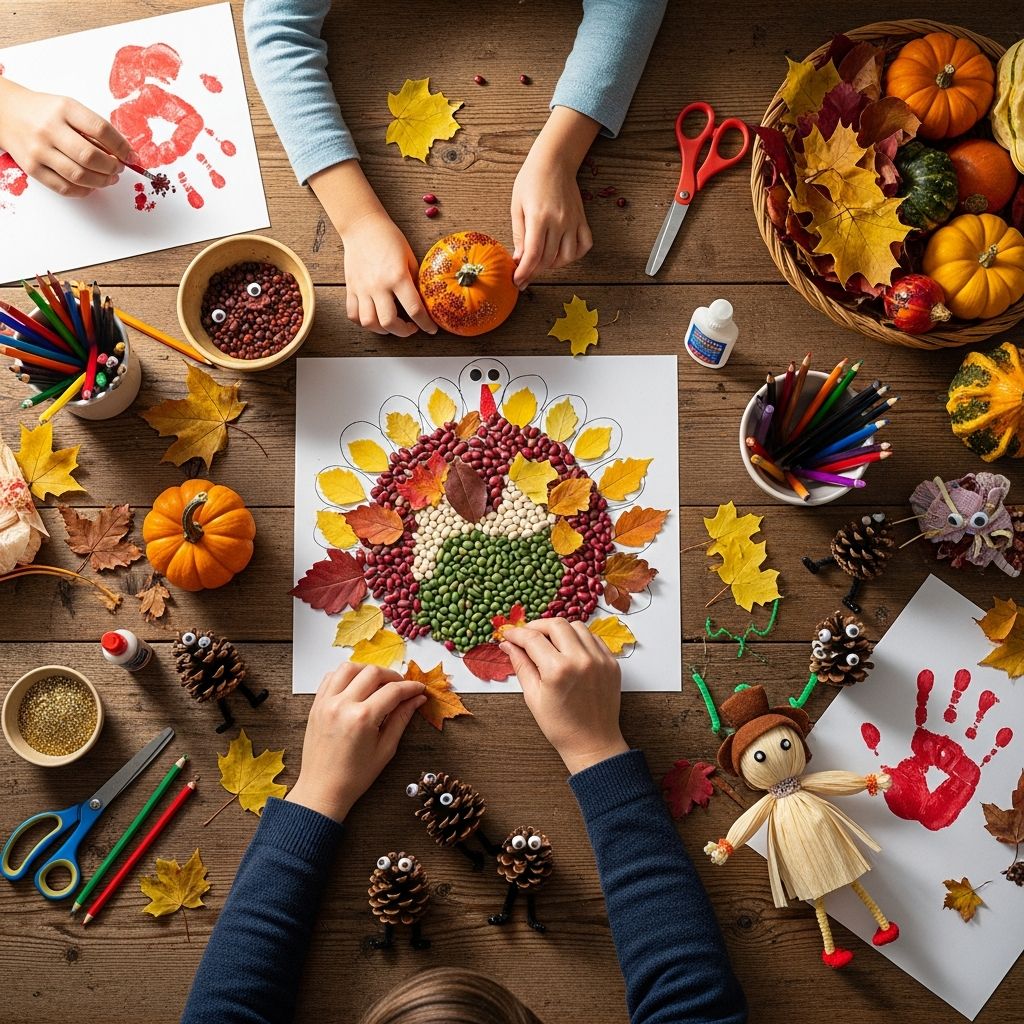
- Creative Outlet: Crafting costumes sparks innovation, countering adult routine’s monotony.
Research from Northwestern University demonstrates this effect: participants in symbolic attire outperformed peers in tasks linked to that role’s traits, suggesting costumes prime the brain for associated qualities. Parents thus gain confidence and joy from these transformations.
Building Deeper Family Connections
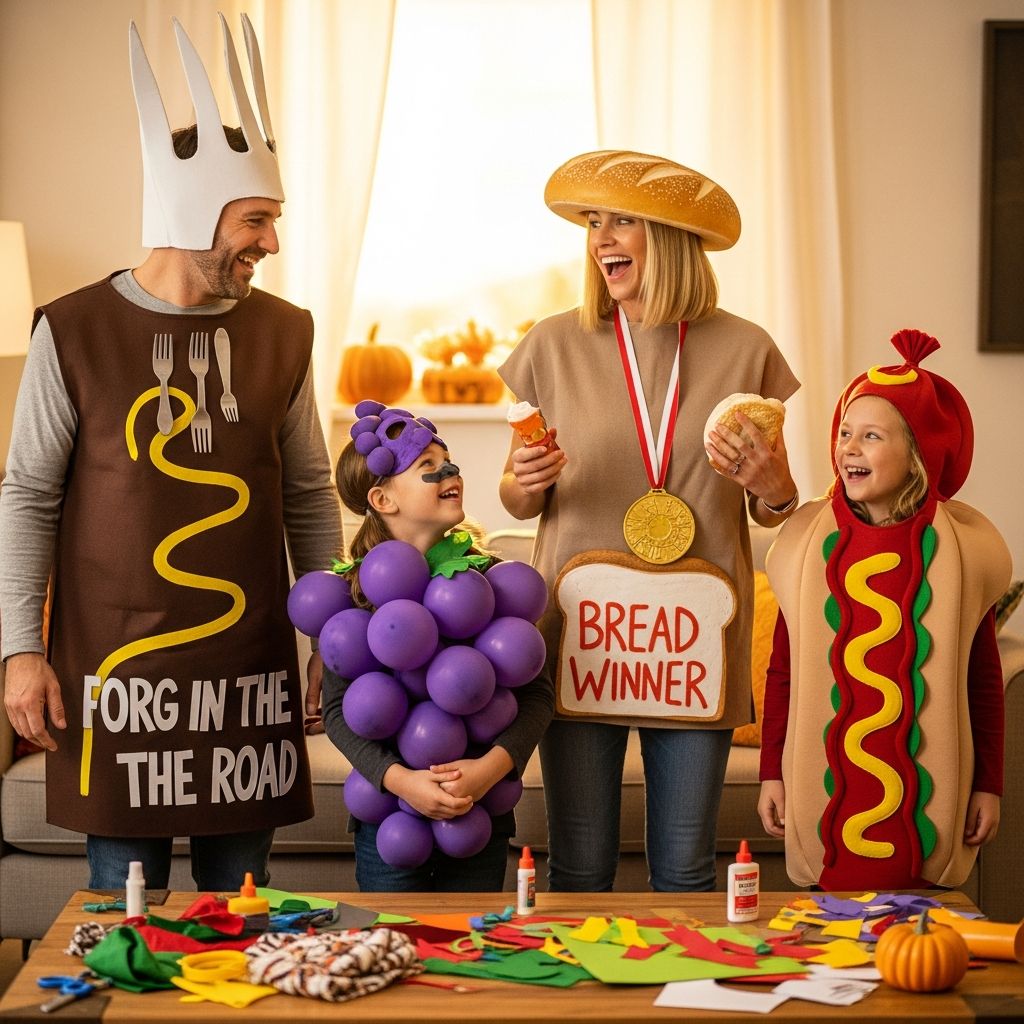
Halloween costumes shine brightest in family settings, where parents and children collaborate on themes, strengthening bonds through shared creativity. Coordinating outfits—such as matching superhero families or pop culture duos—creates lasting memories and a sense of unity.
This activity promotes communication and teamwork. Parents guide kids in DIY projects, teaching patience and ingenuity while reliving their own crafty childhood moments. The result? Enhanced emotional intimacy, as laughter and joint problem-solving dissolve generational gaps.
| Family Costume Benefit | Description | Psychological Impact |
|---|---|---|
| Group Themes | Matching outfits like movie characters | Fosters belonging and teamwork |
| DIY Sessions | Building props together | Boosts creativity and patience |
| Trick-or-Treating | Walking neighborhoods in costume | Creates joyful shared experiences |
Mental Health Boost from Playful Traditions
Participating in Halloween as adults yields tangible mental health advantages, from stress reduction to improved mood. Dressing up offers a sanctioned break from rigid roles, promoting play that combats burnout. Therapists highlight how this ‘permission to play’ reignites inner child energy, vital for emotional balance.
For parents juggling careers and childcare, costumes provide therapeutic escapism. Embodying fantasy figures alleviates anxiety, with the anonymity reducing self-consciousness. Community events further amplify benefits, combating isolation through social interaction and collective festivity.
- Reduces daily pressures by enabling role reversal.
- Enhances self-esteem via positive feedback on creative efforts.
- Supports healing by symbolizing strength in tough times.
Evolving Costume Choices Across Life Stages
Parents’ costume preferences reflect life’s progression, blending nostalgia with current identities. Young parents might revive 90s icons, while veterans opt for family-inclusive designs. This evolution mirrors personal growth, balancing individuality with collective joy.
Social influences play a role too—trends from media or viral challenges inspire fresh takes on classics. Yet, core motivations remain: recapturing youth’s magic amid parenthood’s demands.
Practical Tips for Maximizing Halloween Fun
To fully harness costumes’ nostalgic power, parents can follow these strategies:
- Dig into Personal History: Choose outfits tied to childhood favorites for authentic nostalgia.
- Involve the Family: Host pre-Halloween planning sessions to build excitement.
- Embrace Imperfection: Focus on fun over perfection to sustain playful vibes.
- Extend the Joy: Incorporate costumes into home parties or photoshoots.
Such steps ensure Halloween becomes an annual highlight, deepening family ties and personal fulfillment.
Frequently Asked Questions
Why do Halloween costumes help parents feel younger?
Costumes trigger nostalgia and allow identity shifts, providing psychological relief from adult roles and reconnecting users with childhood playfulness.
Are there mental health benefits to adult costume-wearing?
Yes, it promotes self-expression, creativity, and social bonds, reducing stress and enhancing mood through safe escapism.
How can families use costumes to bond?
Coordinating themes and crafting together builds teamwork and shared memories, strengthening relationships.
Do costumes really change behavior?
Studies show attire influences mindset and performance, as the brain associates outfits with specific traits.
Is Halloween dressing up suitable for all ages?
Absolutely—it’s a universal outlet for creativity and joy, adaptable from kids’ simple outfits to adults’ elaborate designs.
Overcoming Common Costume Hurdles
Busy parents often face time or budget constraints, but simple solutions abound. Thrift stores yield gems for nostalgic recreations, while household items inspire DIY ingenuity. Prioritizing emotional rewards over extravagance keeps the focus on joy.
Additionally, addressing kids’ input ensures inclusivity, turning potential challenges into bonding opportunities. This approach maximizes the nostalgic revival inherent in Halloween traditions.
References
- Why Do We Love Halloween? – Thriveworks — Thriveworks. 2023-10-01. https://thriveworks.com/blog/psychology-halloween-costumes-trick-or-treating/
- The Psychology of Fear: Why We Love to Be Scared on Halloween — The Mansion London. 2023-10-25. https://www.themansionlondon.com/post/the-psychology-of-fear-why-we-love-to-be-scared-on-halloween
- Halloween Costumes and Identity: Exploring the Psychology of Disguise — Nest Family Counselling. 2024-10-15. https://www.nestfamilycounselling.com/post/halloween-costumes-and-identity-exploring-the-psychology-of-disguise
- What Halloween Costumes Reveal About Consumer Behavior — PopNeuro. 2023-10-20. https://www.popneuro.com/neuromarketing-blog/halloween-costume-psychology-consumer-behavior
- The Mental Health Benefits of Halloween and Why Dressing Up is for Adults Too — Have a Cup of Johanny. 2024-10-06. https://haveacupofjohanny.com/learned-wisdom/2024/10/06/the-mental-health-benefits-of-halloween-and-why-dressing-up-is-for-adults-too/
- Permission to Play: Halloween Mental Health Benefits for Adults — Achieve Counseling. 2024-10-10. https://achievecounseling.org/the-wellness-journal/f/permission-to-play-halloween-mental-health-benefits-for-adult