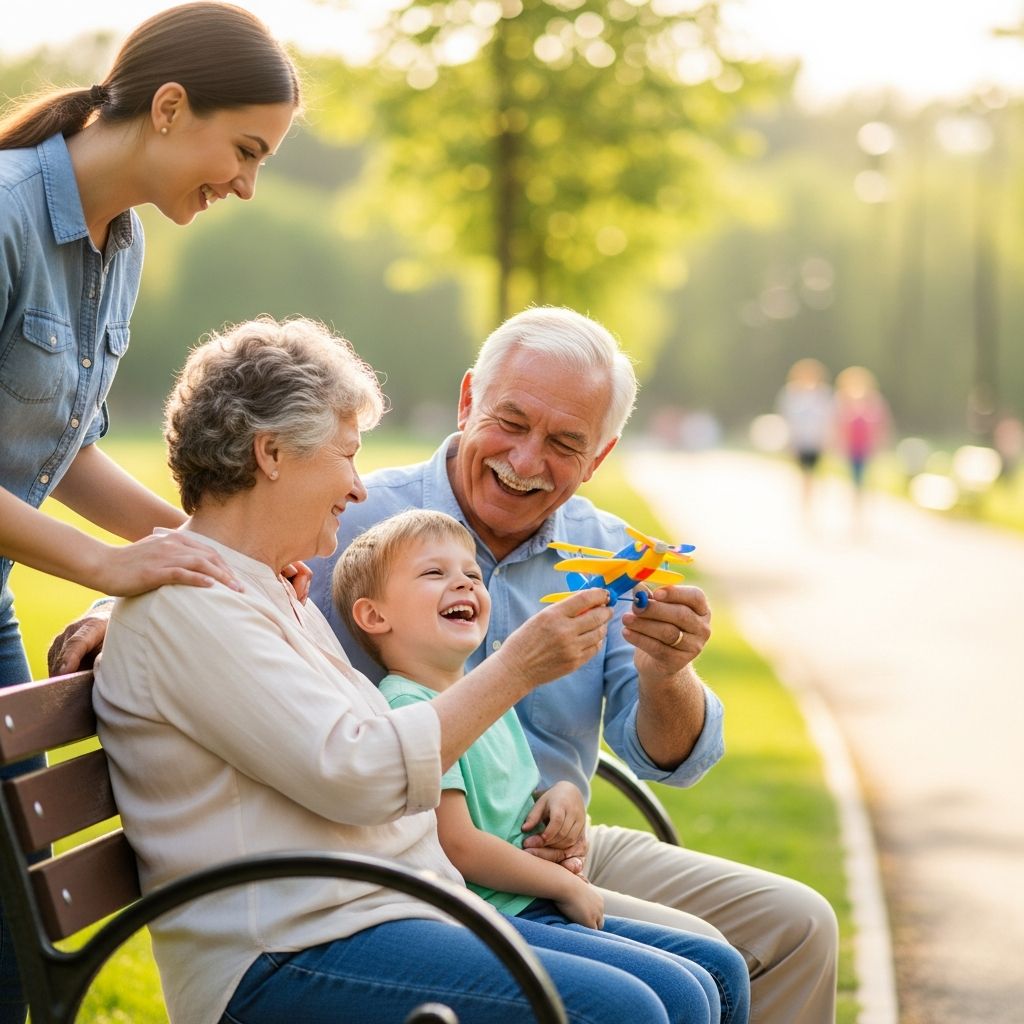
Intergenerational relationships between grandparents and grandchildren create profound, mutual benefits that extend far beyond simple family affection. These bonds foster emotional resilience in children, sharpen cognitive abilities in seniors, and even contribute to longer, healthier lives for both. Research consistently shows that regular interaction yields measurable improvements in mental health, academic performance, and overall well-being.
Boosting Young Minds: Academic and Social Gains for Grandchildren
Grandparents play a pivotal role in shaping grandchildren’s educational journeys. Children with strong grandparent ties often outperform peers academically, thanks to the unique support elders provide. Reading together, engaging in educational games, and showing genuine interest in schoolwork build a foundation for lifelong learning. This involvement instills curiosity and perseverance, helping kids navigate academic hurdles with confidence.
Beyond grades, these relationships hone essential social skills. Interactions teach communication, empathy, respect, and cooperation through diverse perspectives and real-world examples. Grandchildren learn etiquette and emotional intelligence from grandparents’ stories and guidance, preparing them for complex social environments.
| Benefit for Grandchildren | Key Impacts | Supporting Evidence |
|---|---|---|
| Academic Success | Higher performance, love for learning | Research links close ties to better school outcomes |
| Social Development | Empathy, respect, cooperation | Exposure to varied viewpoints enhances skills |
| Behavioral Health | Fewer problems, better choices | APA study shows reduced issues in adolescents |
Emotional Foundations: Stability and Resilience in Kids
The emotional sanctuary grandparents offer is invaluable. Unconditional love and non-judgmental listening provide stability amid modern life’s pressures. This support buffers against stress, fostering resilience and a strong sense of belonging. Family stories and traditions connect children to their roots, boosting self-esteem and mental health.
Studies confirm these ties reduce depression symptoms and behavioral risks. Grandparents model healthy coping, ethics, and positive traits, guiding grandchildren toward responsible decisions. In turbulent times, elders serve as steady role models, lowering adolescent behavior problems.
- Secure Attachment: Creates emotional safety net for challenges.
- Heritage Connection: Builds identity through shared history.
- Moral Guidance: Instills values for ethical living.
Revitalizing Seniors: Health and Happiness from Grandkids
Grandparenting isn’t just giving—it’s deeply rewarding for elders. Active involvement brings purpose, combating loneliness common in aging. Close bonds with grandchildren correlate with fewer depression symptoms, mirroring benefits for kids.
These relationships spark joy through play, rediscovery, and bonding. Grandkids’ energy releases dopamine and oxytocin, elevating mood and reducing isolation. Time together creates cherished memories, enhancing life satisfaction.
Cognitive and Physical Perks for Grandparents
Engaging with grandchildren keeps minds sharp. Research indicates regular interaction slows cognitive decline and supports brain health. A 2021 study in Psychiatry Investigation found caregiving boosts cognition in older adults. Physically, anticipation of visits encourages activity, healthier eating, and routines.
Remarkably, moderate grandparenting extends life. A 2017 German study in the Journal of Evolution and Human Behavior revealed grandparents providing periodic care lived five years longer with one-third lower mortality risk over 20 years. Purpose-driven lives, as in a Columbia University study, promote longevity.
| Grandparent Benefit | Mechanism | Research Backing |
|---|---|---|
| Reduced Depression | Emotional closeness, support | Boston College study on both generations |
| Sharper Cognition | Interaction, stimulation | 2021 Psychiatry Investigation |
| Longer Lifespan | Moderate caregiving | 2017 German study, 5 extra years |
| Increased Happiness | Hormone boost, play | Cleveland Clinic on dopamine/oxytocin |
Mutual Enrichment: A Two-Way Street of Joy
The grandparent-grandchild dynamic thrives on reciprocity. Grandkids offer companionship, revitalizing seniors against isolation, while elders provide wisdom and stability. This exchange passes down values, traditions, and life lessons, strengthening family legacies.
Psychological well-being improves long-term; bonds affect mental health into adulthood. In retirement settings, these interactions flourish, building memories like crafting or storytelling. Everyone gains: kids get guidance, grandparents find purpose.
Practical Ways to Strengthen These Vital Ties
Fostering connections requires intention. Grandparents can read books, play games, attend events, or share heritage stories. Virtual calls bridge distances, while hands-on activities like baking or gardening create bonds.
Parents facilitate by encouraging visits without overwhelming elders. Balance is key—periodic involvement maximizes benefits without primary caregiving strain. Communities with family-friendly spaces enhance opportunities.
- Schedule regular playdates or outings.
- Share family histories and traditions.
- Involve in school or hobbies.
- Use tech for frequent check-ins.
- Host intergenerational events.
Frequently Asked Questions (FAQs)
Do grandchildren really perform better in school with grandparent involvement?
Yes, research shows closer grandparent relationships link to higher academic success through encouragement and shared learning activities.
Can time with grandkids improve seniors’ mental health?
Absolutely; studies like Boston College’s confirm reduced depression and loneliness from emotionally close bonds.
Does grandparenting extend lifespan?
A 2017 study found moderate caregiving adds about five years and lowers mortality risk by one-third.
How much time is ideal for these relationships?
Regular, quality interactions—periodic care without full responsibility—yield the best outcomes.
Are benefits the same for distant families?
Yes, video calls and letters maintain strong emotional ties and similar advantages.
Overcoming Barriers to Intergenerational Connection
Distance, health issues, or busy schedules challenge bonds, but solutions exist. Technology enables face-to-face video chats, preserving emotional closeness. Grandparents with mobility limits can host indoor activities or send care packages. Families prioritizing flexibility ensure ties endure.
Healthier lifestyles emerge too; grandparents motivated by visits exercise more and eat better. These adaptations make grandparenting accessible and impactful.
In essence, these relationships weave a tapestry of support, joy, and growth. By nurturing them, families invest in collective thriving across ages.
References
- Grandparenting – Who Benefits More, Grandkids or Grandparents? — Sunlight Senior Care. 2023. https://sunlightseniorcare.com/grandparenting-who-benefits-more-grandkids-or-grandparents/
- Love Across Generations: How Grandkids Boost Senior Well-Being — Autumn Care & Assisted Living. 2023. https://www.achome.org/love-across-generations-the-health-benefits-of-grandparent-grandchild-connections
- 6 Benefits of Spending Time with Grandchildren — Blue Zones. 2024-08. https://www.bluezones.com/2024/08/6-benefits-of-spending-time-with-grandchildren/
- The Importance of Grandparents in the Lives of Their Grandchildren — Alden. 2023. https://www.alden.com/the-importance-of-grandparents-in-the-lives-of-their-grandchildren/
- The Importance of Strong Grandparent/Grandchild Relationships — Stepping Stone School. 2024-09-06. https://www.steppingstoneschool.com/grandparents/
- Strengthening Grandparent/Grandchild Ties — NDSU Agriculture Extension. 2023. https://www.ndsu.edu/agriculture/extension/publications/strengthening-grandparent/grandchild-ties