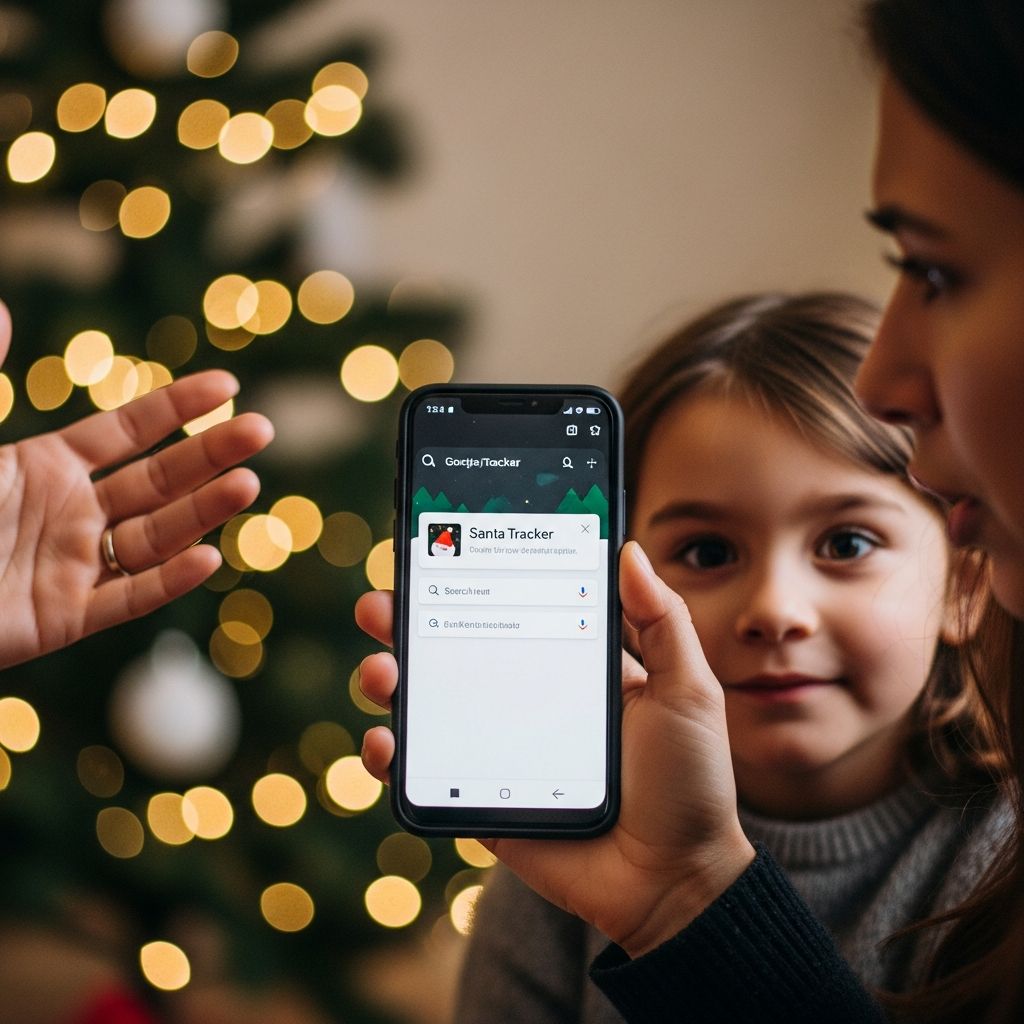
Every holiday season, millions of children turn to the internet with innocent questions about Santa Claus, only to encounter search results that abruptly end their wonder. Google’s handling of queries like “Is Santa real?” has ignited widespread frustration among parents, who argue it undermines the joy of Christmas traditions. This issue highlights a clash between algorithmic efficiency and the delicate needs of family storytelling.
The Hidden Danger in Holiday Curiosity
Children, fueled by excitement and doubt, frequently search for confirmation of Santa’s existence. Data indicates that over 1.1 million such queries occur annually worldwide, reflecting a consistent pattern of youthful investigation. The top result often features content that opens with a blunt acknowledgment of Santa as a myth, instantly dispelling beliefs without nuance. This automated prioritization stems from Google’s algorithms favoring high-authority sources, yet it overlooks the emotional context of the searcher.
Parents report heartbreaking moments when kids independently discover these answers, leading to tears and disillusionment. Unlike curated family discussions, these unfiltered revelations arrive without preparation, amplifying the impact. The problem persists year after year, turning a search engine into an unwitting Christmas spoiler.
Why Search Engines Prioritize Factual Over Magical Answers
Search algorithms like Google’s aim for precision and reliability, ranking pages based on domain authority, relevance, and factual accuracy. For “Is Santa real?”, results draw from reputable outlets discussing parental strategies for addressing the question, inadvertently leading with myth-busting language. This approach suits adult researchers but fails young users seeking affirmation of folklore.
Other engines show similar tendencies. Bing and DuckDuckGo also surface guides on revealing the truth, prioritizing informational content over preservation of belief. The core challenge lies in search technology’s adult-centric design, which treats holiday legends as historical queries rather than cultural phenomena deserving sensitivity.
| Search Query | Annual Searches (Approx.) | Typical Top Result Theme |
|---|---|---|
| Is Santa real? | 1,116,500 | Myth explanation for parents |
| How old is Santa? | 186,900 | Historical origins |
| Are elves real? | 47,700 | Folklore debunking |
| Can reindeer fly? | 3,900 | Scientific dismissal |
This table summarizes key Santa-related searches, underscoring the volume of child-driven inquiries met with reality checks.
Voice Assistants Offer a Kinder Approach to Santa Queries
In contrast, voice-activated devices provide more thoughtful replies. When asked “Is Santa real?”, platforms like Alexa, Siri, and Google Assistant avoid direct denials, opting for playful or evasive responses that maintain mystery. For instance, they might redirect to tracking Santa’s journey or share festive facts, preserving the holiday spirit without confrontation.
- Alexa: Delivers whimsical tales or suggests checking the tracker, engaging kids creatively.
- Siri: Responds with humor, like “Santa’s too busy to confirm, but the magic is real!”
- Google Assistant: Offers North Pole updates or jokes, differing sharply from text search results.
These variations demonstrate how voice tech incorporates contextual awareness, potentially sensing a child’s voice and tailoring answers to foster joy. Parents appreciate this nuance, viewing it as a model for improving text-based searches.
Parental Strategies to Shield Holiday Magic
Facing tech’s bluntness, families can reclaim control over Santa narratives. Open conversations build trust, allowing parents to gauge readiness and frame revelations positively. Experts recommend age-appropriate myths, emphasizing Santa’s embodiment of generosity over literal existence.
Practical tips include:
- Supervising device use during peak curiosity periods, like early December.
- Using kid-friendly apps or sites that reinforce traditions, such as official Santa trackers.
- Creating family rituals, like letter-writing to Santa, to deepen emotional investment.
- Preparing scripted responses if questions arise, blending truth with enduring values like kindness.
Monitoring search history via parental controls on Google Family Link ensures safer explorations, blocking sensitive results while allowing educational ones.
Google’s Festive Features: A Double-Edged Sword
Google counters criticism with engaging holiday tools, like its Santa Tracker, which immerses users in virtual North Pole adventures. Featuring games, multilingual greetings, and Assistant integrations, it showcases the company’s capacity for child-centric content. Users under 13 access features via Family Link, promoting safe interaction.
Yet, this contrasts with search result issues, revealing inconsistencies in Google’s youth-focused approach. While trackers build excitement, direct queries dismantle it, prompting calls for unified sensitivity across services.
Teacher and Expert Calls for Change
Educators urge Google to refine rankings, suggesting magical or neutral top results during holidays. Tutors note voice tech’s success as proof of feasibility, advocating algorithm tweaks for demographic awareness. SEO specialists explain the mechanics: authority-driven snippets favor factual articles, but human oversight could elevate family-friendly content.
“Google is still a bot and lacks human touch.” – Stephen Kenwright, Rise at Seven.
Such voices highlight the need for seasonal adjustments, perhaps prioritizing trackers or folklore over debunking guides.
Broader Implications for Tech and Childhood Beliefs
This controversy extends beyond Santa, questioning how algorithms shape young minds. As AI evolves, like Google’s former Bard now integrated elsewhere, responses grow sophisticated yet risk overstepping into belief systems. Parents must balance tech access with guided discovery, fostering critical thinking without premature cynicism.
Historically, Santa derives from St. Nicholas traditions, evolving into a global symbol via 19th-century America. Modern tech disrupts oral transmission, demanding new preservation methods.
Frequently Asked Questions
What should parents do if their child searches ‘Is Santa real?’
Discuss openly, affirming the spirit of giving while easing into reality if appropriate. Use trackers to redirect excitement.
Why do voice assistants handle Santa questions better?
They employ context-aware scripts designed for fun, avoiding factual debunking to suit family settings.
Can Google change its search results?
Algorithms could prioritize neutral content, but changes depend on authority signals and user feedback.
Are there safe Santa apps for kids?
Yes, Google’s Santa Tracker and NORAD’s official version offer interactive, belief-preserving experiences.
How common are Santa doubt searches?
Over 1.1 million ‘Is Santa real?’ queries yearly, plus thousands more on elves and reindeer.
Preserving Christmas Wonder in a Digital Age
As technology permeates childhood, parents hold the key to sustaining magic. By curating experiences and advocating for better tools, families can navigate searches without losing enchantment. Google’s innovations show potential; aligning them with empathy could restore faith in search during holidays.
This balance ensures future generations experience Santa’s legacy, blending digital fun with timeless tales. Educators, parents, and tech firms must collaborate for heartwarming outcomes.
References
- How Google ruins Christmas for 1.1million children EVERY YEAR — Exam Papers Plus. 2023. https://exampapersplus.co.uk/advice/news-and-insight/google-ruins-christmas-for-1-1million-children-every-year-teachers-call-for-google-to-stop-telling-children-santa-isnt-real/
- Is Santa Real? Here’s What 3 Search Engines and 3 AIs Say — Bill Hartzer. 2025-12-19. https://www.billhartzer.com/search-engines/is-santa-real/
- Santa Tracker 2023: Google Vs. Microsoft, Bing, AWS & NORAD — Search Engine Journal. 2023. https://www.searchenginejournal.com/santa-tracker-2023-google-vs-microsoft-bing-aws-and-norad/504562/