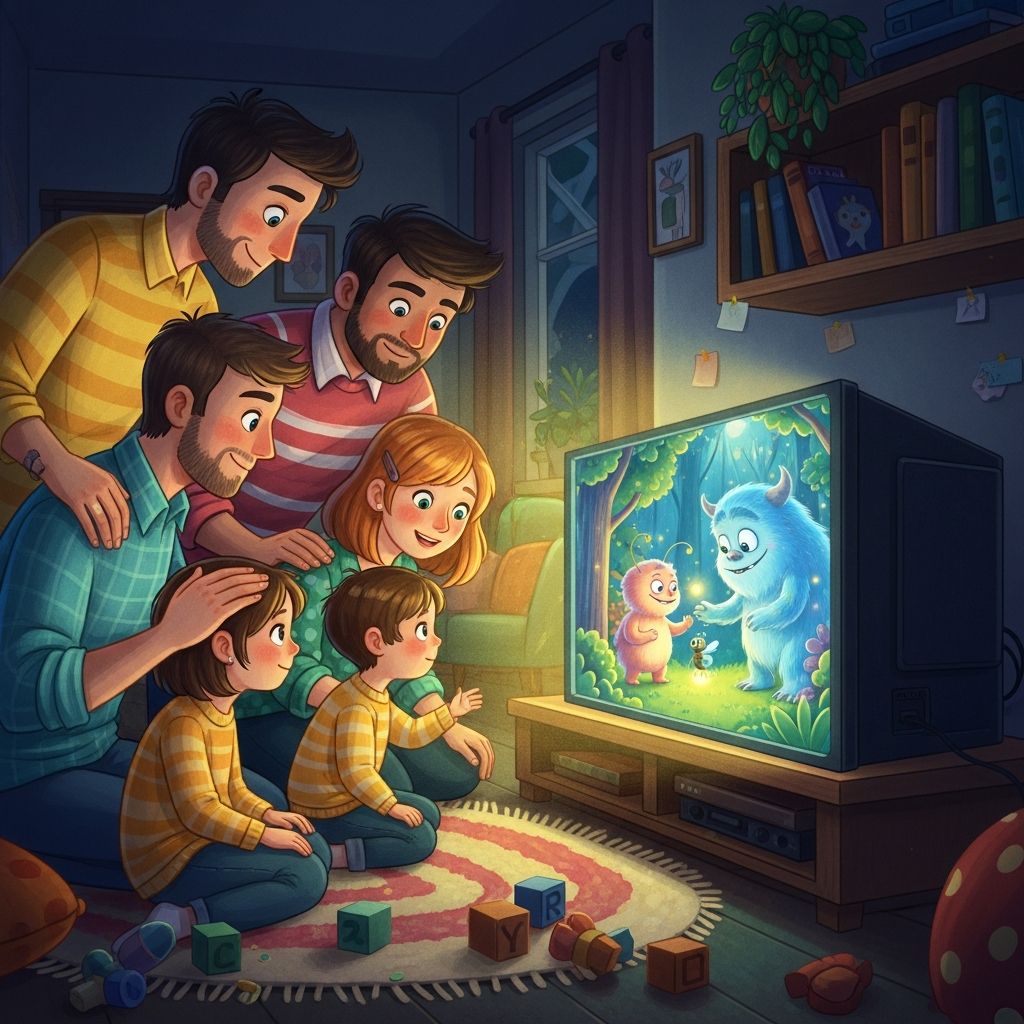
Every so often, a children’s television series slips quietly into a family’s routine and ends up feeling less like a show and more like a beloved houseguest. It is calm instead of chaotic, witty instead of noisy, and tender instead of snarky. Parents find themselves lingering on the couch long after the opening credits, not just because their children are entertained, but because they genuinely enjoy what they are watching too.
This article explores why gentle, imaginative kids’ shows resonate so deeply with families, how they support early learning, and what parents can do to channel that same spirit of kindness and creativity into everyday life at home.
The Hidden Power of Quiet TV
In a media landscape packed with flashing lights and frantic plotlines, quiet shows feel almost radical. They move slowly, linger on small moments, and leave room for children to think, wonder, and ask questions. Instead of overwhelming kids with constant noise, these programs give them space to breathe.
For many parents, that slower pace is a relief. It helps wind down busy days, turns background noise into soft companionship, and offers a shared experience that is soothing for everyone on the sofa.
What Makes a Show “Gentle”?
- Soft pacing: Scenes unfold gradually, with pauses that let children process what they see and hear.
- Warm tone: Characters speak kindly, even when they disagree, and conflicts are resolved with empathy.
- Simple stories: Everyday events—lost toys, first friendships, bedtime worries—take center stage.
- Subtle humor: Jokes rely on wit and character quirks rather than slapstick chaos.
These qualities make gentle shows a natural fit for young children, who thrive on repetition, predictability, and narratives they can follow without feeling overwhelmed.
Why Parents Become Fans Too
Parents do not just tolerate these shows; many actively adore them. A well-crafted children’s series can feel like a trusted ally—offering a shared vocabulary for emotions, modeling patience, and providing a rare pocket of calm in family life. It is entertainment that respects both the child and the adult in the room.
When parents genuinely enjoy a show, it stops feeling like a compromise. Screen time becomes closer to family time, something done with children instead of something simply done for them.
How a Show Earns a Parent’s Loyalty
- Respectful storytelling: The show assumes that young viewers are thoughtful and capable, never talking down to them.
- Layered humor: Children laugh at the silliness on screen, while adults catch clever asides and character-based jokes.
- Relatable family moments: Everyday parenting challenges show up in gentle, non-judgmental ways.
- Consistent values: Kindness, curiosity, and creativity are modeled episode after episode.
Imagination as a Family Language
One of the quiet strengths of these shows is how they treat imagination as something powerful and real. Invisible friends, talking animals, and make-believe worlds are not dismissed as “just pretend”; they are treated as meaningful parts of a child’s inner life. That attitude can reshape how a whole family communicates.
When adults take that imaginative world seriously, children feel seen and understood. Pretend play becomes a shared language rather than a separate realm that belongs only to kids.
Everyday Moments Turned into Adventures
- Finding a lost shoe becomes a detective story solved by siblings or friends.
- A rainy day indoors morphs into an expedition through “the jungle” of the living room.
- Bedtime transforms into a nightly ritual of storytelling and whispered inventions.
Shows that celebrate this kind of playfulness encourage parents to join in, not as directors but as collaborators, following their children’s lead.
Emotional Skills Wrapped in Play
The best gentle kids’ shows act as emotional dress rehearsals. They let children watch characters feel jealous, anxious, proud, disappointed, and relieved—and see how those emotions can be handled with care and honesty. Because the tone stays light and safe, young viewers can explore big feelings without being overwhelmed.
Parents watching alongside children gain a toolbox of simple words and examples to fall back on later, when real emotions run high at home.
Subtle Lessons That Stick
- Labeling feelings: Characters say what they feel: nervous, excited, cross, or confused.
- Repairing mistakes: Apologies are modeled as sincere, simple, and effective.
- Trying again: When characters fail, the story gently nudges them to try a new approach.
- Taking turns: Negotiating play, sharing toys, and waiting patiently show up again and again.
Screen Time That Actually Feels Good
Parents today juggle mixed feelings about screens: they can be helpful, but they can also be overwhelming, isolating, or just plain noisy. The right kind of show changes that equation. It offers a screen experience that feels more like a storybook shared on a lap than a device handed over in desperation.
Intentional choices—what children watch, when they watch, and how parents join in—matter far more than strict rules about minutes and episodes.
Simple Guidelines for Mindful Viewing
- Choose slower, story-driven shows over hyperactive, fragmented content.
- Watch together when possible, especially with younger children.
- Pause occasionally to ask, “What do you think happens next?” or “How do you think she feels?”
- Use recurring characters and situations as references during real-life conflicts.
From Screen to Sofa: Activities Inspired by Gentle Shows
The real magic happens when the television is switched off and the stories spill into the rest of the day. A single well-loved show can fuel weeks of crafts, pretend play, and cozy family traditions. It becomes a springboard rather than a destination.
Parents do not need complicated Pinterest-worthy projects. Simple, homey activities often connect most deeply with children.
Easy Play Ideas You Can Try
- Tea party with toys: Invite favorite dolls, stuffed animals, or action figures to a pretend tea party using real cups and a safe drink.
- Dress-up day: Create outfits inspired by characters using whatever is in the wardrobe—no costumes required.
- Homemade ticket booth: Make paper “tickets” for a living-room theater, where kids act out their own episodes.
- Story dice: Draw simple symbols on small pieces of paper, fold them, and pull them from a jar to inspire a made-up story.
Sample Activity Table for Busy Parents
The table below offers quick ideas based on common themes that appear in gentle, imaginative kids’ shows. You can adapt them to any characters your child loves.
| Theme | Quick Activity | Skills Supported |
|---|---|---|
| Friendship & Sharing | Set up a “sharing station” where siblings place a toy they are willing to lend for 10 minutes. | Turn-taking, empathy, negotiation |
| Imaginative Adventures | Spread a blanket on the floor and call it “the island”—everything off the blanket is the sea. | Creativity, problem-solving, cooperative play |
| Feelings & Big Emotions | Create homemade “feeling cards” with faces showing happy, sad, worried, and proud. | Emotional literacy, self-awareness |
| Daily Routines | Turn getting dressed into a “mission” with a playful checklist your child can decorate. | Independence, sequencing, responsibility |
| Problem-Solving | Present a simple puzzle—like rescuing a toy stuck under a chair—and brainstorm solutions together. | Critical thinking, patience, resilience |
How Gentle Shows Support Different Ages
Children come back to the same show at different ages and notice new layers each time. A toddler may be delighted by the rhythm of the dialogue and the bright colors. A school-age child may suddenly care deeply about the complex friendships and tiny jokes tucked into the corners of the script.
This longevity makes a series feel like an old friend that grows along with the family, rather than something that must be discarded after a few months.
Age-by-Age Perspective
- Toddlers: Enjoy the repetition, gentle voices, and reassuring routines.
- Preschoolers: Relate to the characters’ social struggles and early steps toward independence.
- Early elementary kids: Pick up on humor and subtle emotional cues in the stories.
Building Traditions Around a Beloved Show
When a family rallies around a favorite series, it can anchor small rituals that children remember for years. These traditions do not need to be elaborate; their power lies in their consistency. A special snack, a favorite blanket, or a catchphrase shared and repeated can be enough.
Traditions turn ordinary viewing into something that feels almost ceremonial, a comforting rhythm that marks the passing of days and seasons.
Ideas for Simple Rituals
- Weekly “cozy evening”: Choose one night a week for everyone to pile on the sofa in pajamas and watch an episode together.
- Quote of the day: After each viewing, ask your child to pick their favorite line and repeat it as a playful mantra.
- Drawing time: Keep crayons and paper nearby and invite kids to draw a scene while—or after—they watch.
- Character journal: For older children, encourage a simple notebook where they write or draw how a character might feel about the day’s events.
Choosing Shows With Intention
Not every children’s program will resonate with every family, and that is perfectly fine. The goal is not to chase what is popular, but to find what feels good in your own living room—shows that leave everyone a little calmer, kinder, and more connected than before they pressed play.
When parents view themselves as curators instead of just consumers, screen time decisions begin to line up naturally with the family’s values.
Questions to Ask Before You Press Play
- Does this show treat children’s emotions and concerns with respect?
- Is the humor kind, or does it rely on teasing and meanness?
- Do the characters grow and learn, or is every episode reset with no reflection?
- Would you be comfortable if your child copied the way characters speak to one another?
Frequently Asked Questions (FAQs)
How much gentle screen time is okay for young children?
There is no universal number that fits every family, but many parents find that shorter, intentional viewing sessions are easier on children than long, unplanned stretches. It often helps to link screen time to a specific part of the day—such as after nap time or before dinner—so it becomes a predictable routine instead of an all-day option.
Do calm, slow shows actually teach anything?
Yes. Children often learn best in environments that match their natural pace. Slower shows allow them to follow the story, notice character reactions, and connect actions with consequences. Emotional skills, language patterns, and social problem-solving are frequently absorbed in these gentle narratives.
My child only wants fast, noisy programs. How can we introduce quieter ones?
Transitions work better than sudden bans. Start by alternating: a familiar, fast-paced show followed by a shorter, calmer one. Watch alongside your child and show enthusiasm, laughing at funny moments and talking about the characters. Over time, many children warm to quieter shows when they sense that their parents genuinely enjoy them.
What if I find kids’ shows annoying, even the gentle ones?
It is completely understandable not to love every program your child chooses. If a show grates on your nerves, keep looking—there are many series made with adults in mind as well, weaving in subtle jokes and thoughtful storytelling. Prioritizing content that you can tolerate, or even enjoy, makes it easier to watch together and stay engaged.
How can we keep shows from taking over our whole day?
Clear boundaries help. Decide in advance how many episodes or how long each session will last, then talk through that limit with your child in simple, predictable terms. Turning off the television right after an episode and immediately shifting to a related activity—like drawing a favorite character—smooths the transition and reduces protests.
Bringing the Magic Off the Screen
When a children’s show is gentle, imaginative, and kind, it becomes more than entertainment. It offers families a shared language, quiet comfort, and sparks of creativity that can brighten even the most exhausted evenings. Parents may press play for a moment of peace, but they stay because they feel genuinely at home in the world the show creates.
In the end, the greatest gift of a treasured series is not the minutes of silence it buys or the chores completed while it plays. Its true value lies in how it lingers—showing up in your child’s artwork, bedtime stories, and whispered jokes, and reminding everyone in the family that everyday life, handled with care and imagination, can feel a little bit like magic.