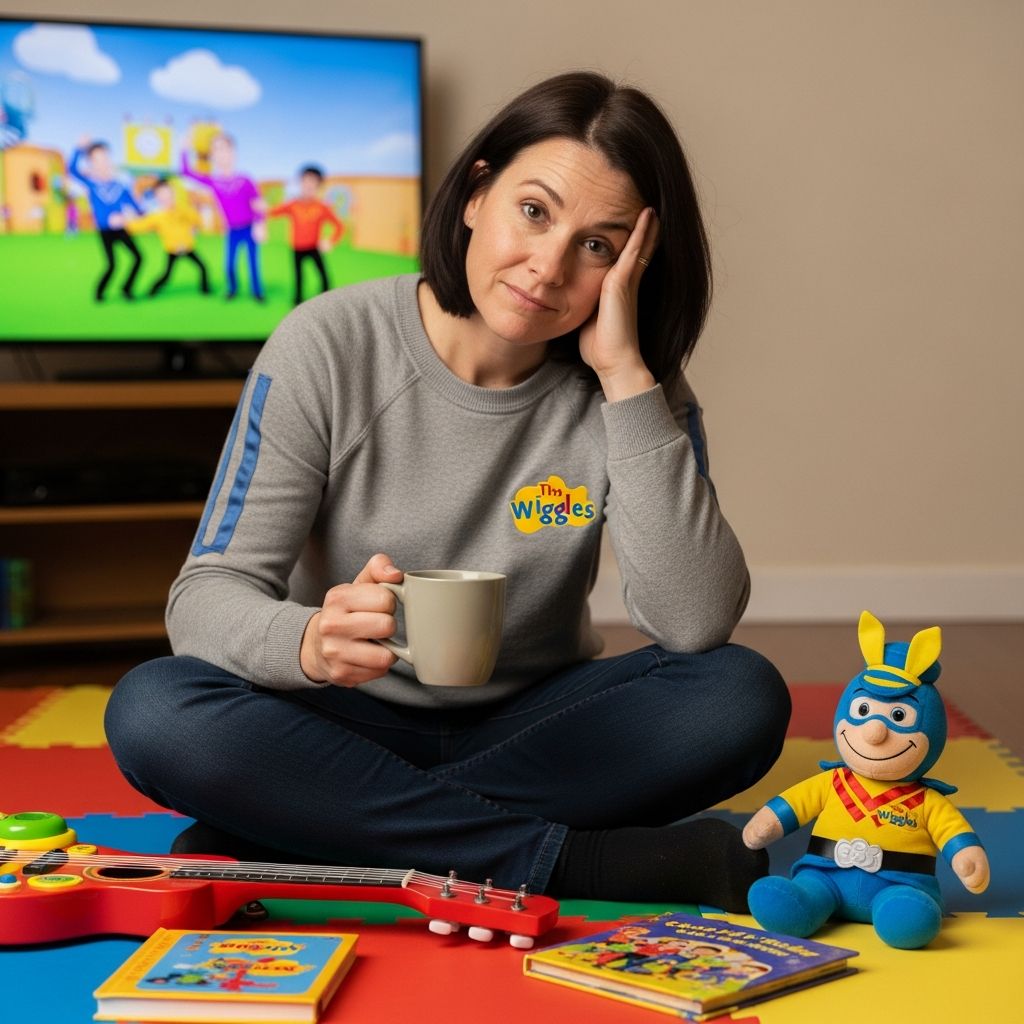
Today’s children are experiencing a profound deficit in unstructured play, a critical element for healthy development that’s been steadily eroding over decades. This shortage contributes to surging rates of anxiety, depression, and physical unfitness among youth, as evidenced by multiple studies tracking play time and mental health trends.
The Alarming Decline in Children’s Free Play
Generations ago, children roamed neighborhoods, climbed trees, and invented games without adult oversight, fostering independence and creativity. Now, opportunities for such self-directed play have plummeted. Research indicates that only about one in four adolescents achieves the recommended 60 minutes of daily active play, with younger children faring only marginally better. A comparison of mothers’ childhoods to their own kids’ reveals stark contrasts: 70% of mothers played outside daily as girls, compared to just 31% of their children, and 56% enjoyed three or more hours outdoors versus 22% today.
This trend spans home, school, and community. At home, screen time dominates, with 85% of surveyed parents citing TV and video games as the primary culprits for reduced outdoor activity. Schools have curtailed recess and physical education; a 2008 report noted 20% of schools cut recess between 2001-2007, disproportionately affecting low-income areas where high-poverty elementary schools were four to five times more likely to eliminate it. Recent polls confirm persistence: one in ten preschoolers and toddlers plays outside just once a week or less, despite 88% engaging in physical play indoors. In the UK, 34% of 7-12-year-olds skip outdoor play after school, and 20% on weekends.
Why Play Matters: Developmental Foundations
Unstructured play—child-initiated, free from adult direction—isn’t mere recreation; it’s the cornerstone of emotional, social, and cognitive growth. Children define play as activities they control, deriving joy from autonomy. It builds resilience, problem-solving, and self-regulation, skills eroded by constant supervision.
- Physical Health: Active play combats obesity and builds motor skills. Yet, with recess often under 30 minutes daily—less than adult prison yard time—children miss vital exercise.
- Mental Resilience: Independent play correlates with lower anxiety and depression. Summer breaks, offering more freedom, see drops in emotional breakdowns and suicides.
- Social Skills: Peer-led games teach negotiation, empathy, and conflict resolution, absent in adult-structured activities.
- Cognitive Growth: Imaginative play enhances creativity and executive function, with 68% of young children still participating but needing expansion.
Without it, children become overstimulated yet underdeveloped, busy with schedules but starved for joy-driven exploration.
Root Causes of the Play Deficit
Several interconnected factors drive this crisis:
| Factor | Impact | Evidence |
|---|---|---|
| Screens and Media | Daily TV/video for 60% of kids; 33% media play like games | Primary reason for less outdoor time |
| Over-Scheduling | Organized sports/activities replace free play | Decline since 1970s |
| Safety Fears | 40% parents anxious about kids going ‘too far’ | Limits independence, especially urban |
| School Policies | Recess cuts, especially in poverty areas | 20% reduction 2001-2007 |
| Urban Design | Fewer walkable play spaces in low-income areas | Compromises community resilience |
Since the 1970s, children’s freedom to roam, explore public spaces, or hold jobs has dwindled, coinciding with mental health declines. Part-time jobs boost teen happiness via independence.
Consequences: A Mental Health Epidemic
The play shortage parallels a youth mental health crisis. Anxiety, depression, and suicide rates have soared as playtime fell 25% for 6-8-year-olds from 1981-1997. Adolescents’ emotional breakdowns rise post-summer. A Florida Atlantic University study links reduced independent activity to declining mental health, emphasizing play’s role in resilience. Low-income children suffer most, with poverty-linked recess cuts exacerbating issues; 16% of U.S. children live in poverty. Play deprivation overstimulates nervous systems, hindering emotional strength.
Practical Strategies for Parents to Boost Play
Parents can counter this by prioritizing unstructured time:
- Create Daily Play Windows: Dedicate 60 minutes for free play, starting small. Let infants explore via peekaboo, toddlers via blocks.
- Embrace Outdoor Risks: Allow tree-climbing or monkey bars; 75% of 3-5-year-olds use swings independently—build on that despite nerves.
- Limit Screens Mindfully: Cap TV/videos; use devices sparingly in cars.
- Build Neighborhood Networks: Organize park meetups for peer play, addressing safety via groups.
- Advocate at Schools: Push for more recess; highlight disparities.
- Model Play: Join briefly then step back, preserving child-led joy.
Communities need play-friendly designs: safer streets, nearby parks. Cultural sensitivity ensures inclusivity.
Expert Insights on Reviving Play Culture
Psychologist Peter Gray notes play’s decline matches mental health woes, urging freedom. Mott Poll’s Sarah Clark stresses child-led play for curiosity. Dr. Mark Ferguson warns of obesity/anxiety links, calling for proactive environments. These align: play isn’t ‘perfect’ education—it’s freedom.
Frequently Asked Questions
How much play do children need daily?
Experts recommend at least 60 minutes of active, unstructured play, ideally outdoors, for physical and mental benefits.
Is structured sports enough?
No—sports build skills but lack self-directed joy of free play, crucial for resilience and creativity.
What if my neighborhood isn’t safe?
Form playgroups, use supervised parks, or indoor forts; advocate for local improvements.
How do screens affect play?
They displace active/imaginative time; 60% daily TV use crowds out development.
Can play help teen mental health?
Yes—jobs/summer freedom boost confidence, reducing breakdowns.
Reversing play deprivation demands collective action: parents carving space, schools prioritizing recess, communities building access. The payoff—resilient, joyful kids—is worth it.
References
- Disappearance of Play — KaBOOM!. Accessed 2026. https://kaboom.org/all-research/disappearance-of-play/
- Play Deprivation Is A Major Cause of the Teen Mental Health Crisis — After Babel. Accessed 2026. https://www.afterbabel.com/p/the-play-deficit
- National poll: 1 in 10 young children play outdoors as little as once a week — Medical Xpress (University of Michigan Health C.S. Mott Children’s Hospital). 2025-10. https://medicalxpress.com/news/2025-10-national-poll-young-children-play.html
- A third of children don’t play outdoors after school — ECEHH (Born in Bradford). Accessed 2026. https://www.ecehh.org/news/children-dont-play-outdoors/
- It’s Not Just Screens, We Are Raising Play-Deprived Kids — Beth Tyson. 2025-12-10. https://bethtyson.com/2025/12/10/its-not-just-screens-we-are-raising-play-deprived-kids/
- All Work, No Independent Play Cause of Youth Declining Mental Health — Florida Atlantic University. Accessed 2026. https://www.fau.edu/newsdesk/articles/child-play-independence-study
- 2025 KIDS COUNT Data Book — Annie E. Casey Foundation. 2025. https://www.aecf.org/resources/2025-kids-count-data-book