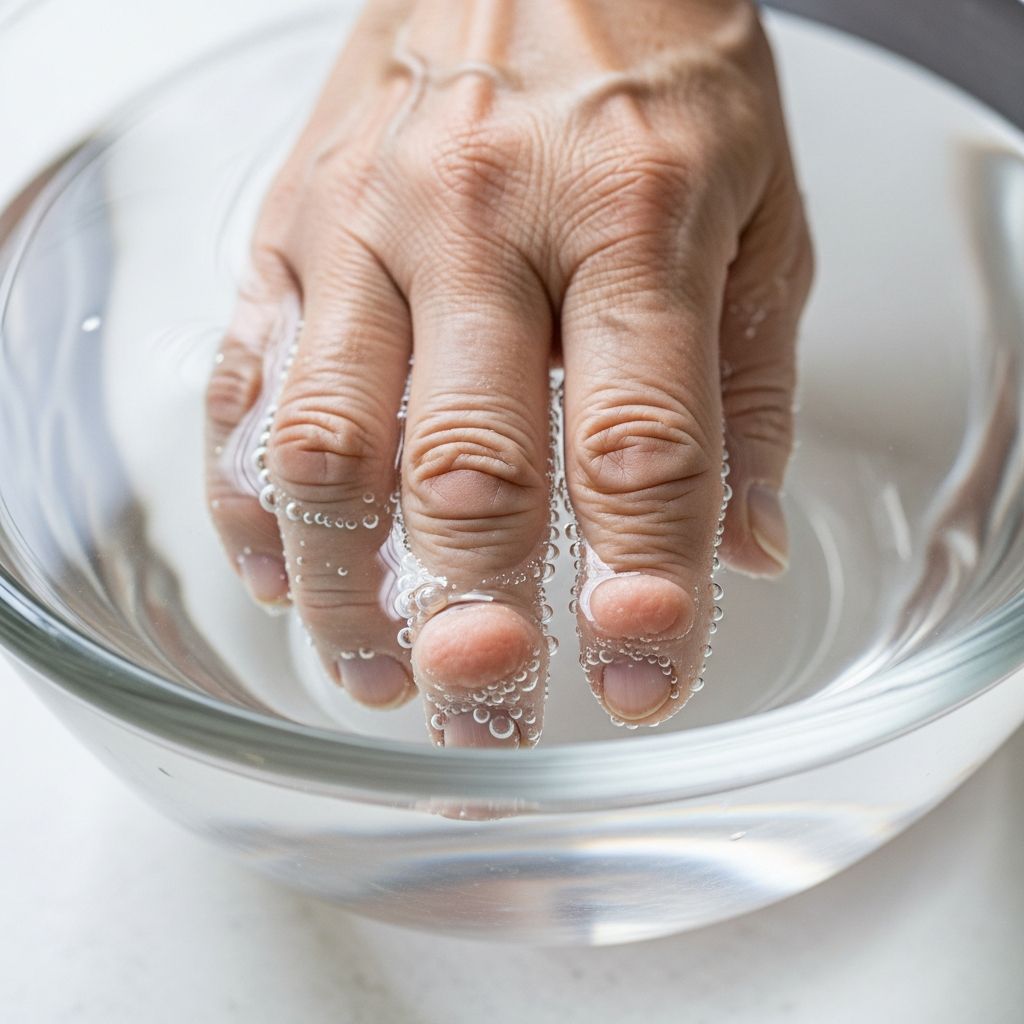
After a long bath or a swim, you may look at your hands and feet and see bumpy, shriveled skin that looks like a raisin instead of a smooth grape. Those temporary lines are called water wrinkles or pruney fingers, and they are a normal response of healthy skin and nerves to being wet for a while.
This change might look strange, but it is usually nothing to worry about. In fact, scientists think it may even help you hold on to slippery objects when your skin is wet.
Meet Your Skin: The Body’s Waterproof Coat
To understand why wrinkling happens, it helps to know a little about how your skin is built and how it protects you from water.
- Outer layer (epidermis): The thin surface layer of skin you can see. Its very top part, the stratum corneum, is made of dead, flattened cells packed with a tough protein called keratin. This layer acts like armor and helps stop too much water from getting in or out.
- Inner layer (dermis): Thicker skin underneath that contains blood vessels, nerves, sweat glands, and hair follicles. This layer helps control temperature, feeling, and blood flow.
- Oil coating: Special glands in your skin make a natural oil called sebum that mixes with sweat. This thin, oily film helps keep skin flexible and adds some waterproofing.
Most of the time, this system keeps your skin from soaking up too much water. But when you stay in water long enough, things start to change.
What Actually Makes Skin Look Pruney?
For a long time, doctors thought that fingers and toes wrinkled simply because the outer skin layer absorbed water and puffed up, making it fold. Newer research shows that this explanation is only part of the story and that your nervous system plays a key role too.
The Role of the Autonomic Nervous System
Your body has an automatic control system called the autonomic nervous system. It runs things you do not have to think about, such as:
- Heart rate
- Breathing speed
- Digestion
- Widening or narrowing of blood vessels in the skin
Studies show that people whose nerves to the fingers are damaged often do not get normal water wrinkles. That tells scientists that healthy nerves must be involved when fingers and toes get pruney.
Blood Vessels Shrink and Skin Folds
When your hands or feet are in water for several minutes, the small blood vessels under the skin in your fingers and toes start to narrow (this is called vasoconstriction).
- The autonomic nervous system sends signals that cause these vessels to tighten.
- Less blood flows into the area, so the fingertip tissue loses volume and becomes slightly smaller.
- The outer skin does not shrink as fast as the tissue underneath.
- Because the surface is now too large for the smaller tissue below, it buckles and forms wrinkles, like a loose glove on a thinner hand.
This kind of controlled wrinkling takes time. In most healthy people, it appears after several minutes in water and fades again once the skin has dried and blood flow returns to normal.
Why Only Fingers and Toes Wrinkle the Most
You may notice that your arms, legs, or face do not wrinkle as much, even if you stay in the pool for a long time. That is because the skin and nerves in fingers and toes are special.
| Body Area | What Happens in Water? | Why Wrinkling Differs |
|---|---|---|
| Fingers and toes | Wrinkle clearly after several minutes in water, then smooth out later. | Thicker skin, dense nerves, and many small blood vessels make them respond strongly to water and temperature changes. |
| Palms and soles (overall) | May also wrinkle, but most visible at tips of digits. | Built for gripping and walking, with a tough outer layer that can fold without damage. |
| Arms, legs, face | Usually look smooth, maybe a little paler after a long swim. | Thinner outer layer, different nerve and vessel patterns, so they do not wrinkle as dramatically. |
Could Wrinkly Skin Help You Grip Better?
Researchers have noticed that the pattern of wrinkles on wet fingers looks a bit like the tread on a tire. Just like tire grooves help cars grip a wet road, these tiny skin folds may help channel away water when you pick up wet or slippery objects, giving your hands better traction.
Some studies suggest that people with wrinkled fingers can handle wet objects more easily than people whose fingers have not yet wrinkled in water. That has led to the idea that water wrinkling might have been useful for our ancestors who had to gather food or move around in rainy or wet environments.
Not all scientists agree on how large this advantage is, but many accept that wrinkling is an active process controlled by nerves, not just simple soaking of the skin.
How Long Does It Take to Get Wrinkly?
The time it takes for fingers or toes to wrinkle can vary from person to person and can depend on water temperature, salt content, and individual health. In general:
- Normal, healthy water wrinkling often appears after about 10–15 minutes of soaking.
- Once your skin is dry again, the wrinkles usually disappear within an hour.
- Colder water may sometimes make wrinkling appear sooner because it encourages blood vessels to constrict.
Doctors sometimes use how quickly fingers wrinkle in water as a simple way to check if certain nerves are working properly, because nerve damage can stop normal wrinkling from happening.
When Pruney Fingers Happen Without Water
Most of the time, wrinkly fingers show up only after you have been in water. But sometimes skin may look pruney or lined even when your hands are dry. That can be a clue about your overall health and is a reason to talk with a doctor or nurse.
Conditions Linked to Unusual Wrinkling
- Raynaud’s phenomenon: This condition makes the small blood vessels in fingers and toes suddenly tighten when it is cold or when a person is stressed. Fingers may turn white, blue, or red and can become painful or numb. The change in blood flow can also make the skin look more wrinkled.
- Aquagenic wrinkling of the palms: In this rare condition, the palms develop very fast and intense wrinkling and white, puffy patches after just a few minutes in water. It is often linked with cystic fibrosis or carrying a cystic fibrosis gene, but can also happen for other reasons.
- Wrinkly skin syndromes: Some unusual genetic conditions cause very loose or strongly wrinkled skin on many parts of the body. These conditions usually show up in childhood and are often linked with other health challenges, such as joint or growth problems.
- Dehydration or skin dryness: When the body does not have enough water, the skin can lose elasticity and may look more lined or dull. This is different from water wrinkling, but can sometimes make fingers look puckered or creased.
- Thyroid problems or vitamin B12 deficiency: These conditions can affect skin health and blood flow, sometimes adding to abnormal wrinkling patterns along with other symptoms.
If someone’s fingers wrinkle very quickly without water or look unusually puffy, red, or painful, a health professional should check for underlying causes.
Is It Ever Dangerous to Get Wrinkly in Water?
Typical bath-time or swimming-pool wrinkles are not harmful. They are a normal, short-term change, and there is no need for medicine or special creams just because your fingers or toes look pruney for a little while.
However, you should talk with a parent or another trusted adult and see a doctor if:
- Wrinkling appears very quickly and is severe after only a brief contact with water.
- You notice burning, itching, or pain along with water exposure.
- Skin on your hands or feet looks constantly wrinkled, saggy, or very loose, even when dry.
- Your fingers change color (white, blue, or very red) in the cold or when you are stressed.
- There are other symptoms too, such as tiredness, weight changes, trouble breathing, frequent stomach or lung infections, or problems with growth.
These signs do not mean something is definitely wrong, but they are important enough that a health professional should take a closer look.
Simple Ways to Care for Skin in and Out of Water
If you enjoy long baths or swimming, you do not need to avoid them just because of wrinkly skin. Still, good habits can keep your skin healthy and comfortable.
- Rinse and gently dry: After being in a pool, lake, or ocean, rinse off and gently pat your skin dry with a soft towel. Try not to rub roughly, which can irritate the outer layer.
- Use moisturizer: A fragrance-free moisturizer can help skin stay soft and flexible, especially after washing hands or bathing.
- Avoid very hot water: Warmer water can wash away more of your skin’s natural oils, leaving it dry and tight.
- Drink enough fluids: Staying well hydrated from the inside supports healthy skin structure and elasticity.
- Protect from cold: Gloves or mittens in cold weather help keep fingers warm and may prevent extreme tightening of blood vessels, which can sometimes trigger color changes and discomfort.
Quick Facts About Wrinkly Fingers
- Water wrinkles are temporary folds in the skin that show up after soaking in water for a while.
- They happen mostly on fingers and toes because these areas have special skin and many nerves and blood vessels.
- The autonomic nervous system tells blood vessels to shrink, which makes the skin buckle into ridges and grooves.
- Some scientists believe this pattern improves grip on wet objects, like tire treads on a wet road.
- Most water wrinkling is harmless, but wrinkles that appear quickly without water or come with other symptoms should be checked by a doctor.
Wrinkly Fingers: Frequently Asked Questions
Do wrinkly fingers mean I stayed in the water too long?
Not necessarily. Wrinkling usually starts after several minutes in water and is simply a sign that your nerves and blood vessels are doing what they are meant to do. As long as your skin feels fine and the wrinkles go away after drying, it is not a sign of damage.
Can I stop my fingers from wrinkling in the bath?
There is no safe way to completely prevent normal water wrinkling, and there is usually no reason to try. Keeping baths or showers a bit shorter, or keeping part of your hands out of the water, can reduce it, but blocking the nerves or blood flow just to avoid wrinkles would not be healthy.
Why do kids’ fingers seem to wrinkle faster than adults’ fingers?
Every person’s skin and blood vessels respond a little differently to water and temperature. Kids often have very good blood flow and sensitive nerves in their fingers and toes, which may make their wrinkling appear quickly or more clearly, but there is no single rule for everyone.
Is wrinkling the same as pruning from being in water all day?
The short-term lines you see after a bath are normal wrinkling. Being in water for many hours without a break can soften the skin too much and may cause soreness or small cracks. That kind of overexposure is not good for skin, especially in cold, dirty, or very hot water, so long breaks in harsh conditions should be avoided.
Should I worry if only one hand wrinkles in water?
If one hand or a few fingers do not wrinkle at all in water while the others do, or if wrinkling is very different from side to side, it is worth mentioning to a doctor. Differences like that can sometimes reflect nerve or blood-vessel problems, and health professionals can decide if any testing is needed.
References
- A child with severe wrinkling of the skin of the palms — Medicine Today. 2019-05-01. https://medicinetoday.com.au/dermatology-quiz/child-severe-wrinkling-skin-palms
- Pruney Fingers: Causes, Treatments, and More — WebMD. 2021-06-21. https://www.webmd.com/a-to-z-guides/what-to-know-about-pruney-fingers
- Ever wondered why your fingers and toes go wrinkly when wet? — Science Foundation Ireland. 2015-11-10. https://www.sfi.ie/research-news/news/science-week-wrinkly-toes/
- Why Does My Skin Get Wrinkly in Water? — Nemours KidsHealth. 2022-03-01. https://kidshealth.org/en/kids/wrinkly-fingers.html
- Pruney fingers: Causes, concerns, treatment, and more — Healthline. 2018-10-03. https://www.healthline.com/health/pruney-fingers
- Aquagenic wrinkling of the palms — DermNet New Zealand. 2020-06-01. https://dermnetnz.org/topics/aquagenic-wrinkling-of-the-palms
- Wrinkly skin syndrome — Genetic and Rare Diseases Information Center (GARD), NIH. 2015-07-01. https://rarediseases.info.nih.gov/diseases/273/wrinkly-skin-syndrome
- Why Water Turns Fingers and Toes Into Prunes — Cleveland Clinic Health Essentials. 2022-03-18. https://health.clevelandclinic.org/why-water-makes-your-skin-look-like-a-prune-and-not-a-plum