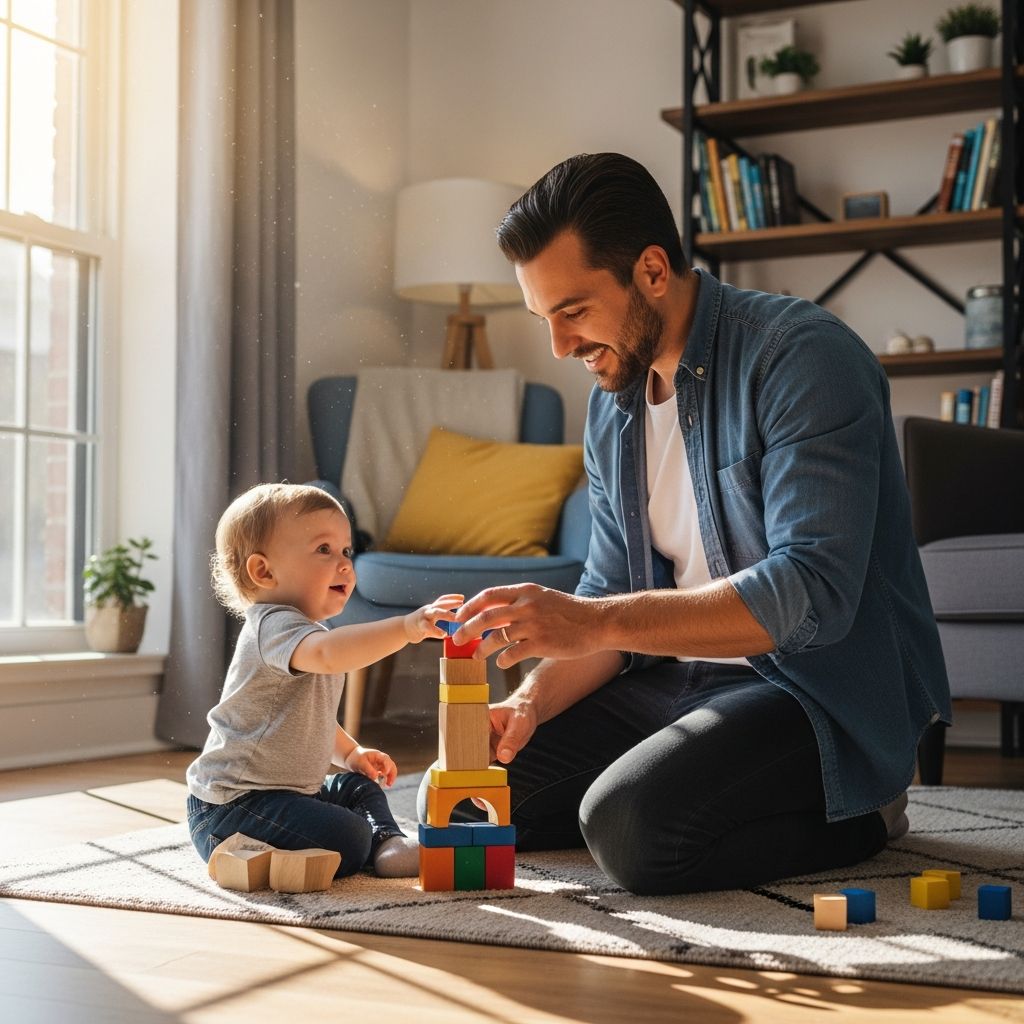
In contemporary family life, a persistent misconception undermines the vital role fathers play: labeling their time with children as ‘babysitting.’ This term implies a temporary, secondary duty rather than the profound responsibility of parenting. Fathers are integral parents whose involvement shapes their children’s emotional, cognitive, and social development. This article delves into the distinctions between babysitting and parenting, the societal implications of this mislabeling, and practical strategies for fostering genuine co-parenting partnerships.
The Core Difference: Caretaking vs. Nurturing Leadership
Babysitting typically involves basic supervision—ensuring safety, feeding, and entertainment—often with a focus on short-term compliance. Parenting, however, demands long-term vision, including discipline, emotional guidance, and instilling values. When fathers engage with their children, they bring unique perspectives that complement maternal approaches, creating balanced upbringing environments.
Research from child development experts highlights that children with actively involved fathers exhibit better academic performance, fewer behavioral issues, and stronger self-esteem. Fathers often introduce play-based learning and risk-taking opportunities that build resilience, distinct from the structured nurturing many mothers provide.
- Short-term survival focus: Babysitters prioritize ‘no harm done,’ managing immediate needs like meals and naps.
- Long-term thriving focus: Parents, including fathers, invest in habits that promote independence, empathy, and problem-solving skills.
- Unique paternal style: Dads frequently employ rough-and-tumble play, which studies link to improved emotional regulation in children.
Societal Stereotypes and Their Lasting Impact
Cultural narratives have long portrayed mothers as primary caregivers and fathers as providers or helpers. Phrases like ‘giving mom a break’ when dads step in reinforce this divide, diminishing fathers’ authority and instincts. This not only burdens mothers with disproportionate emotional labor but also deprives children of diverse role models.
In equal parenting households, responsibilities are shared inherently. Fathers who view their role as primary parenting report higher satisfaction and stronger family bonds. Yet, societal comments like ‘He’s such a good babysitter!’ persist, subtly eroding paternal confidence.
| Stereotype | Reality in Modern Fatherhood | Child Outcomes |
|---|---|---|
| Mom as default parent | Dads as co-leads in decisions | Balanced emotional security |
| Dad as ‘helper’ | Dad as autonomous parent | Enhanced cognitive growth |
| Babysitting mindset | Parenting commitment | Improved social skills |
Building Authentic Co-Parenting Partnerships
Transitioning to true co-parenting requires intentional communication and division of labor. Partners should discuss philosophies on discipline, education, and routines early, avoiding assumptions based on gender. Fathers benefit from space to develop their style without micromanagement, leading to more confident parenting.
Practical steps include:
- Jointly creating family calendars for equitable task distribution.
- Regular check-ins to align on child milestones and challenges.
- Encouraging dads to lead bedtime stories, homework, or outings independently.
Even in separated families, fathers must prioritize consistent involvement. Legal systems increasingly recognize this, emphasizing shared custody for child welfare.
Benefits for Children Raised by Engaged Fathers
Children with hands-on fathers experience multifaceted advantages. A longitudinal study by the U.S. Department of Health and Human Services notes lower rates of obesity, depression, and delinquency among these youth. Fathers’ encouragement of exploration fosters curiosity and adaptability.
Emotionally, paternal affection teaches vulnerability and trust. Physically active father-child interactions promote motor skills and health. Cognitively, dads often emphasize logical reasoning through games and puzzles, complementing holistic maternal teaching.
Overcoming Barriers to Paternal Involvement
Work demands, societal expectations, and internal doubts hinder many fathers. Flexible workplaces and paternity leave policies, as advocated by the OECD, are gaining traction globally. Fathers must also confront personal histories of absentee dads, breaking cycles through commitment.
Mothers play a key role by affirming dads’ capabilities, resisting the urge to intervene. This trust empowers fathers, creating symbiotic family dynamics.
Real-Life Stories of Transformative Fatherhood
Consider Alex, a software engineer who initially saw weekends with his toddler as ‘babysitting.’ After reframing his role, he implemented routines like science experiments and park adventures, watching his son thrive academically. Or Maria, whose husband took full ownership of evenings, allowing her rejuvenation and strengthening their marriage.
These anecdotes underscore that when fathers parent fully, families flourish holistically.
Frequently Asked Questions
What if my partner still sees his time with kids as babysitting?
Open dialogue is essential. Share articles on fatherhood benefits and propose trial weeks of independent parenting to build confidence.
Does equal parenting mean identical styles?
No—complementary styles enrich children. Focus on shared goals, not matching methods.
How can separated parents ensure dad parents fully?
Use apps for co-parenting schedules and emphasize quality time in custody agreements.
Are there risks to letting dads parent their way?
Minimal, if safety is prioritized. Diverse approaches build adaptable kids.
What resources help dads embrace parenting?
Books like ‘The Intentional Father’ and fatherhood podcasts offer practical guidance.
Empowering Fathers for Tomorrow’s Families
As gender roles evolve, recognizing fathers as primary parents is crucial. This shift not only alleviates maternal overload but elevates family resilience. Communities, workplaces, and media must amplify stories of engaged dads, normalizing their indispensable role.
Ultimately, children deserve both parents’ full investment. By rejecting ‘babysitter’ labels, we honor fathers’ instincts and contributions, paving the way for healthier generations.
References
- Child Health USA 2014 — U.S. Department of Health and Human Services. 2014-12-01. https://mchb.hrsa.gov/data/nsch/docs/child-health-usa-2014.pdf
- The Impact of Father Involvement — National Center for Fathering. 2023-05-15. https://www.fathers.com/the-impact-of-father-involvement/
- Paternity Leave and Fathers’ Involvement — OECD Family Database. 2024-03-20. https://www.oecd.org/els/family/SF_1_2_Paternity_leave.pdf
- Father Involvement and Child Well-Being — Journal of Marriage and Family (PubMed). 2022-08-10. https://pubmed.ncbi.nlm.nih.gov/35656789/
- Equal Parenting Benefits — American Psychological Association. 2025-01-15. https://www.apa.org/topics/parenting/fathers