The Transformative Power of Shared Movement in Modern Family Life
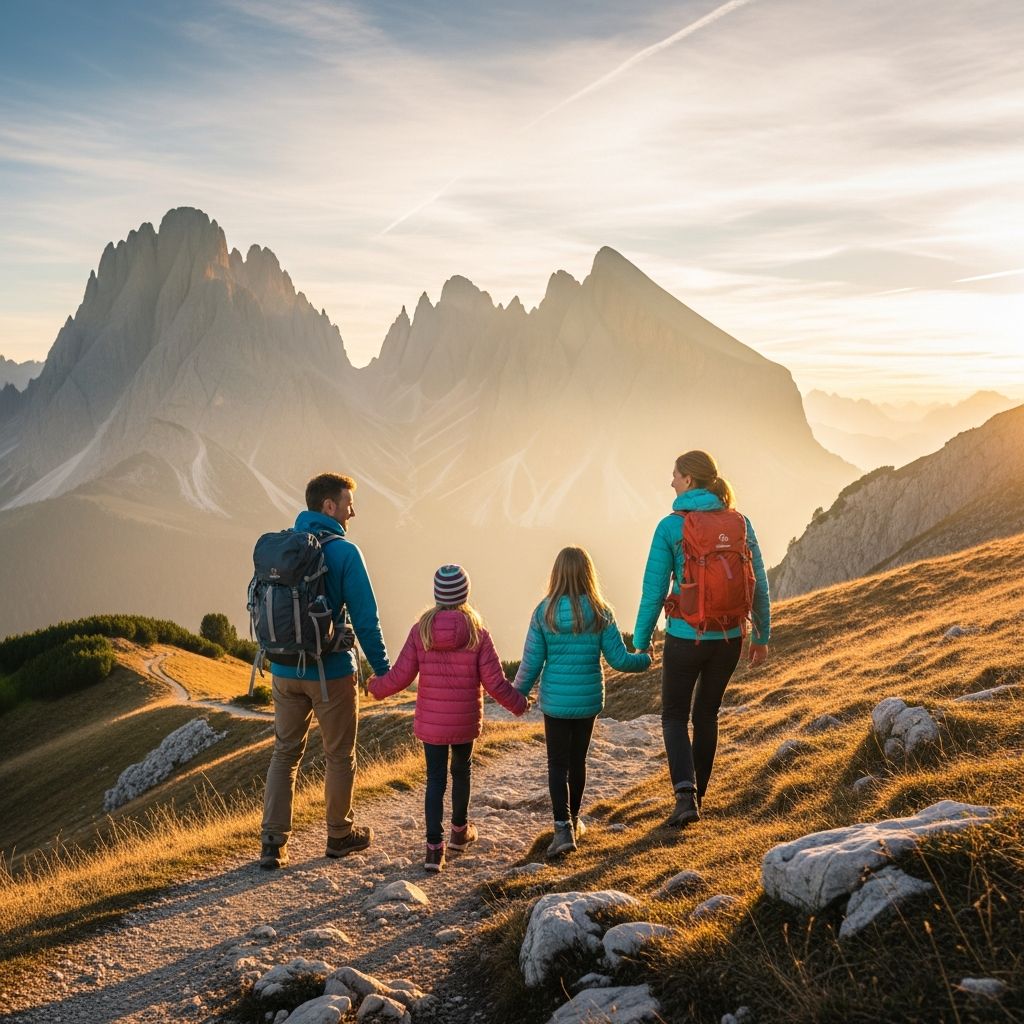
In an era dominated by screens and structured schedules, parents often struggle to find authentic moments of connection with their children. Yet one of the most accessible and transformative practices remains deceptively simple: walking together as a family. This fundamental human activity, stripped of agenda or destination, creates a unique space where genuine interaction flourishes naturally.
The concept of family walks extends far beyond mere exercise. When parents and children venture outdoors together without the pressure of productivity or entertainment, something shifts in their dynamic. Conversations flow more freely, observations become shared discoveries, and the rhythm of movement creates a psychological openness that rarely occurs in other contexts. This practice, whether rooted in family tradition or newly adopted, offers profound benefits that ripple through every aspect of family life.
Establishing Movement as a Family Legacy
Many families discover that walking traditions develop organically, often beginning when children are infants. For new fathers especially, carrying a baby in a sling or pack while walking offers one of the first sustained one-on-one bonding experiences. The physical closeness, combined with the gentle motion of walking, creates an intimacy that mirrors but distinctly differs from the connection between mother and nursing infant. This early introduction to shared movement often becomes the foundation for a lifelong family pattern.
As children grow and develop their own legs, the nature of family walks transforms but doesn’t diminish. What begins as peaceful strolls with a sleeping infant evolves into more dynamic excursions where young walkers set the pace and dictate the route. Parents who recognize this transition as an opportunity rather than an obstacle discover that walks continue to serve as anchors in family culture, adapted to each developmental stage.
The power of establishing these traditions early cannot be overstated. Children who grow up understanding that regular family walks are simply part of how their family operates develop a lifelong comfort with outdoor movement. They internalize the message that being together and moving through the world together matters more than constant entertainment or productivity.
Overcoming Modern Obstacles to Family Movement
Contemporary parenting presents unique challenges to maintaining walking traditions. Digital devices, indoor entertainment options, and overscheduled calendars compete for children’s attention. Research indicates concerning trends in childhood physical activity levels, with substantial percentages of school-age children failing to meet recommended activity guidelines. However, understanding these obstacles allows parents to address them strategically rather than surrender to them.
The resistance children often display when asked to abandon screens or toys for a walk reflects genuine competition for their attention rather than inherent disinclination toward movement. Neuroscience reveals that children’s brains are fundamentally wired for exploration and movement, suggesting that modern sedentary trends result from environmental factors rather than developmental programming. By recognizing this, parents can frame family walks not as obligations but as reconnection with children’s natural inclinations.
Successful implementation requires removing barriers to participation. This might mean integrating walks into existing routines rather than treating them as additional activities, starting with shorter excursions that build positive associations, or allowing children agency in choosing routes and pace. When families consistently demonstrate that walks happen regardless of initial resistance, children eventually recognize the inevitability and stop protesting, often discovering genuine enjoyment in the process.
The Conversation Gateway: How Walking Unlocks Communication
One of walking’s most underrated benefits is its capacity to facilitate conversation. The physical act of moving forward, side by side rather than face to face, reduces social pressure and creates psychological safety for deeper sharing. Children who clam up during direct questioning often open up while walking, sensing that the adult is simultaneously available and distracted by the immediate environment.
The sensory environment of outdoor walks provides natural conversation starters. A bird, an architectural detail, a weather change, or a chance observation becomes a shared reference point. These small moments of mutual attention build communication patterns that extend beyond the walk itself. Children learn that their observations matter, that adults genuinely notice and value what they notice, and that conversation occurs most naturally when both participants remain relaxed and unhurried.
For preschool and early elementary-aged children, this conversational openness supports critical language development. Children build vocabulary, practice narrative skills, and learn to notice details about their environment. They experience adults modeling curiosity and thoughtful observation. Older children and adolescents benefit from the informal space that walks provide for discussing concerns, questions, or life transitions that might feel awkward in structured home settings.
Physical Development Across All Ages
While the cognitive and emotional benefits of family walks receive considerable attention, the physical development advantages deserve equal emphasis. For infants transported in carriers, the movement provides vestibular stimulation that supports brain development and contributes to better sleep. The visual input of observing a changing environment during walks provides crucial sensory experiences during critical developmental windows.
Toddlers benefit from the motor skill development that walking practice provides. Regular walking builds stamina, strengthens core muscles, and develops balance and coordination essential for future athletic activities. The natural, variable terrain of neighborhood walks or park paths provides more developmental benefit than controlled indoor environments, requiring children to constantly adjust their proprioception and motor planning.
For adults and older children, the cardiovascular benefits of regular walking are well-established. Beyond physical fitness, time outdoors contributes to improved mood, reduced anxiety, and better sleep quality. The combination of physical activity and natural light exposure addresses multiple dimensions of wellness simultaneously. For families, the shared engagement in healthy behavior patterns establishes foundations for lifelong wellness habits.
Presence as Resistance in a Hyperconnected World
Perhaps the most valuable aspect of family walks in contemporary life is their capacity to create protected space for genuine presence. During walks, parents are largely removed from digital distraction. Emails can wait, work obligations pause, and household chores fade to the background. This unavoidable disconnection from constant connectivity creates rare pockets of complete parental availability.
The quality of presence that family walks enable differs fundamentally from presence during structured family activities or meals. Walking creates a state of alert relaxation where parents can simultaneously attend to children and process their own thoughts. This balance prevents the hypervigilant parenting that often characterizes scheduled family time while maintaining genuine connection and engagement.
Children absorb the implicit message that walking time is nonnegotiable family time. No screens interrupt interactions, no competing tasks demand attention, no productivity goals frame the experience. In demonstrating this commitment to presence, parents teach children that some things matter more than optimization or entertainment. This lesson extends far beyond the walk itself, shaping children’s understanding of what constitutes meaningful time and genuine connection.
Practical Guidance for Establishing Walking Traditions
Beginning or renewing family walking traditions requires minimal infrastructure but benefits from intentional planning. Several evidence-based approaches improve success rates and family enjoyment:
- Lower the barrier to entry by starting with accessible routes and manageable distances, allowing positive experiences to build before attempting longer excursions
- Embrace aimless wandering rather than destination-focused hikes, which reduces the pressure for achievement and allows organic pace adjustments
- Vary routes and environments to maintain novelty and accommodate different family members’ interests
- Integrate sensory engagement by encouraging observation of natural elements, architectural features, or seasonal changes
- Allow children agency in route selection or pace setting to increase their investment in the experience
- Avoid excessive conversation-forcing, recognizing that comfortable silence is valid and often more restorative than constant dialogue
- Plan occasional treats or collection activities to create positive associations without undermining the walk’s inherent value
Developmental Stages and Walking Evolution
Family walks naturally transform across developmental stages, and recognizing these shifts prevents parents from abandoning the practice when initial approaches no longer suit changing needs. Infant walks center on caregiver presence and sensory input. Toddler walks balance structured exploration with freedom to investigate interesting elements. Preschool and early elementary walks expand to include more ambitious distances and greater environmental awareness.
As children enter middle childhood, walks begin incorporating their genuine agency and perspective-sharing. Early adolescents may resist family walks initially, yet this period offers crucial opportunities to maintain connection during significant developmental transitions. Teen walks can expand to include longer treks or shared goals, allowing older youth to experience themselves as competent contributors to family activities.
Walking as Stress Management and Relationship Repair
Families frequently discover that walks serve therapeutic functions beyond their baseline benefits. When household tension rises, when conflicts simmer, or when general grouchiness permeates family dynamics, a walk often resets emotional states. The combination of physical activity, environmental change, and protected conversation time creates conditions where conflicts lose their grip and family members reconnect with affection beneath the tension.
This stress-relieving function operates across family members. Parents benefit from the mental clarity that walking provides, making them more patient and emotionally available upon return. Children discharge nervous energy and often achieve emotional regulation through the physical activity. Families as units develop more flexible, resilient responses to conflict when walks become reliable relationship-repair tools.
Creating Sustainable Family Walking Patterns
The sustainability of family walking traditions depends less on motivation and more on integration into existing routines. Families that succeed in maintaining walks typically treat them as non-negotiable commitments, similar to meals or bedtime, rather than optional activities dependent on energy or mood. This doesn’t require daily walks for all families; weekly walks that occur consistently achieve remarkable results.
Seasonal adaptation proves essential for sustainability in regions with significant weather variation. Families maintain walks year-round by adjusting expectations about distance or pace according to weather rather than abandoning the practice. This demonstrates to children that commitment persists through changing conditions, a lesson that extends well beyond walking.
Frequently Asked Questions
Q: At what age should children start joining family walks?
A: Family walks can begin immediately after birth with infants in carriers or strollers. The practice evolves as children develop mobility, with toddlers walking short distances and older children managing longer excursions. There is no minimum age for beginning.
Q: How can I convince resistant children to join family walks?
A: Start with very short, low-pressure walks with interesting routes. Allow children to lead occasionally and set the pace. Avoid framing walks as mandatory exercise. With consistent implementation, resistance typically decreases as children internalize that family walks simply happen.
Q: How long should family walks be?
A: Duration should match family composition and stage. Infant walks might be 20-30 minutes, toddler walks 15-20 minutes, and older children can sustain longer excursions. The focus should be on regular participation rather than ambitious distances.
Q: Can family walks replace scheduled playdates or organized activities?
A: Walks complement rather than replace structured activities. Their value lies in regularity, simplicity, and the quality of family connection they enable. Both structured activities and regular walks serve different developmental and relational purposes.
Q: What if our family lives in an urban environment without parks?
A: Urban walks offer distinct advantages, providing architectural variety, human diversity, and neighborhood familiarity. Neighborhood exploration, urban parks, and even walking to destinations like shops or libraries constitute valuable family walks.
References
- A Family That Walks Together Is Healthier, Happier, And Closer — Fatherly. 2024. https://www.fatherly.com/life/family-walks-together-ben-shattuck
- Fresh Air, Fresh Connections: The Power of Family Walks — Chesterbrook Academy. 2025-05-13. https://www.chesterbrookacademy.com/2025/05/13/fresh-air-fresh-connections-the-power-of-family-walks/
- The Family That Walks Together — Trinity House Community. https://trinityhousecommunity.org/the-family-that-walks-together/
- Ryan Holiday Shares The Secrets Of Stoic Parenting — Fatherly. https://www.fatherly.com/life/ryan-holiday-interview-stoic-parenting
- Physical Activity Alliance Survey Data — Physical Activity Alliance. https://www.physicalactivityalliance.org