Consistent daily patterns in family life provide a foundation for emotional security, healthier habits, and stronger connections among family members. Research shows these structures significantly enhance child development and family well-being by offering predictability in an often chaotic world.
The Science Behind Everyday Patterns
Human brains thrive on predictability, which reduces anxiety and improves focus. For children, regular sequences of activities—from wake-up to wind-down—help regulate emotions and behaviors through repeated exposure. Studies indicate that predictable home environments lead to better cognitive function, impulse control, and self-esteem.
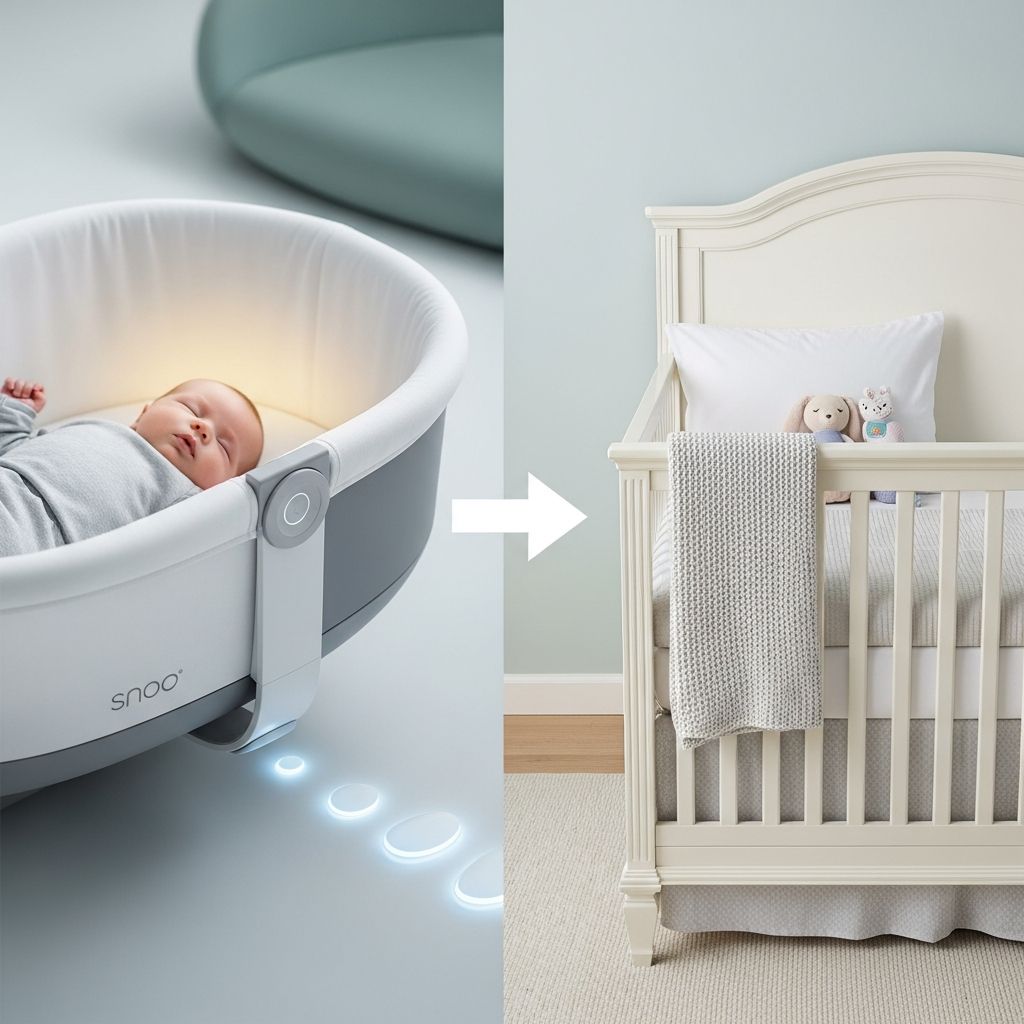
During infancy and early childhood, consistent patterns correlate with improved sleep, fewer illnesses, and enhanced behavioral regulation. Preschoolers in structured homes experience shorter respiratory infections and fall asleep faster with regular bedtimes. These benefits extend to parents, lightening mental loads and fostering cooperation.
Key Advantages for Growing Minds
- Emotional Regulation: Predictable days teach children to manage feelings, building resilience against stress.
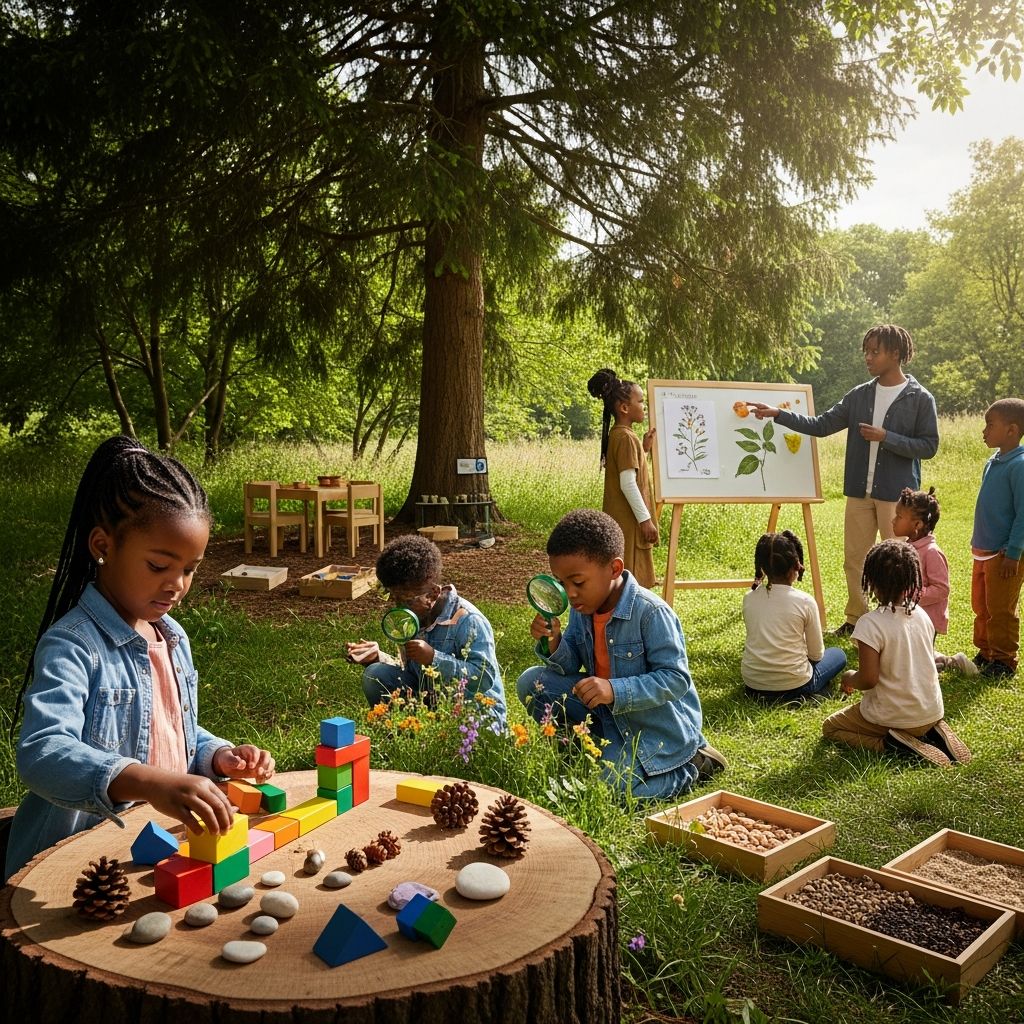
- Skill Building: Activities like shared meals or storytime boost vocabulary, social skills, and academic readiness.
- Health Improvements: Routines promote better sleep and hygiene, reducing illness duration.
- Confidence Boost: Knowing what comes next empowers kids to handle transitions independently.
Family patterns also create ’emotional residue’ from joyful moments, helping children cope during tough times. This sense of belonging strengthens identity and family pride.
Streamlining Family Interactions
One major win is fewer conflicts. When everyone anticipates transitions—like from play to dinner—resistance drops. Parents report less ‘bossing around,’ as kids internalize expectations, leading to self-directed participation.
Shared responsibilities distribute the load, allowing more quality time. For instance, a simple morning checklist reduces parental nagging and builds kids’ autonomy. Over time, this consistency maintains fair rules, preventing rule-bending under fatigue.
Navigating Life’s Ups and Downs
Change is inevitable—new siblings, school shifts, or moves can unsettle young minds. Familiar patterns act as anchors, easing adaptation by framing the unknown within the known. Experts note that anticipated changes within routines minimize anxiety and preserve a sense of mastery.
In stressful periods, maintaining core activities provides stability and normalcy, supporting overall health. Rituals, like weekly game nights, add meaning, reinforcing bonds and continuity.
Practical Steps to Establish Patterns
Start small: Focus on high-impact areas like mornings, meals, and evenings. Involve the family in planning to build buy-in.
| Time of Day | Sample Activities | Benefits |
|---|---|---|
| Morning | Wake, breakfast, hygiene, pack bags | Smooth start, less rushing |
| Afternoon | Snack, homework/play, chores | Builds responsibility |
| Evening | Dinner, storytime, bedtime | Better sleep, bonding |
Adapt for ages: Toddlers need visual charts; teens benefit from flexible input. Review weekly to tweak for balance—avoid rigidity that breeds boredom.
Differentiating Routines from Rituals
Routines are everyday necessities like brushing teeth or tidying up, providing structure without special symbolism. Rituals infuse meaning, such as holiday traditions or Sunday brunches, deepening emotional ties and identity.
Both are vital: Routines ensure efficiency; rituals cultivate joy and legacy. Combining them—e.g., a routine dinner followed by a gratitude ritual—maximizes impact.
Overcoming Common Hurdles
Resistance arises from inconsistency or overload. Counter by communicating changes ahead and celebrating successes. Busy schedules? Prioritize 3-5 non-negotiables.
- Visual aids for young kids
- Family meetings for input
- Grace during disruptions
- Parental modeling
During crises, preserve essentials like mealtimes to regain footing.
Long-Term Family Wins
Families with strong patterns report higher satisfaction, better health, and resilient kids. Parents gain bandwidth for presence, not policing. As children mature, ingrained habits support independence and delayed gratification.
These investments yield dividends: Confident adults who value structure and connection.
Frequently Asked Questions
What age should routines start?
From infancy—consistent caregiving builds security. Adapt complexity as they grow.
Are rigid schedules necessary?
No, flexibility prevents rebellion. Aim for predictable anchors with room for spontaneity.
How do routines help during stress?
They provide normalcy, reducing anxiety and aiding coping.
Can routines improve sleep?
Yes, regular bedtimes lead to faster sleep onset and fewer night wakings.
What if my family resists?
Introduce gradually, explain benefits, and lead by example.
References
- The Importance of Routines: Creating Structure for Success — Quest, Inc. 2024. https://questinc.org/the-importance-of-routines-creating-structure-for-success/
- Family Routines and Rituals May Improve Family Relationships — American Psychological Association. 2002-12. https://www.apa.org/news/press/releases/2002/12/rituals
- The Importance of Rituals and Routines — Penn State Thrive. N/A. https://thrive.psu.edu/blog/the-importance-of-rituals-and-routines/
- The Importance of Family Routines — HealthyChildren.org (American Academy of Pediatrics). N/A. https://www.healthychildren.org/English/family-life/family-dynamics/Pages/The-Importance-of-Family-Routines.aspx
- Building Positive Family Routines — Harvard Health. N/A. https://www.health.harvard.edu/mindscape/for-parents-and-caregivers/building-a-strong-family-system/building-positive-family-routines