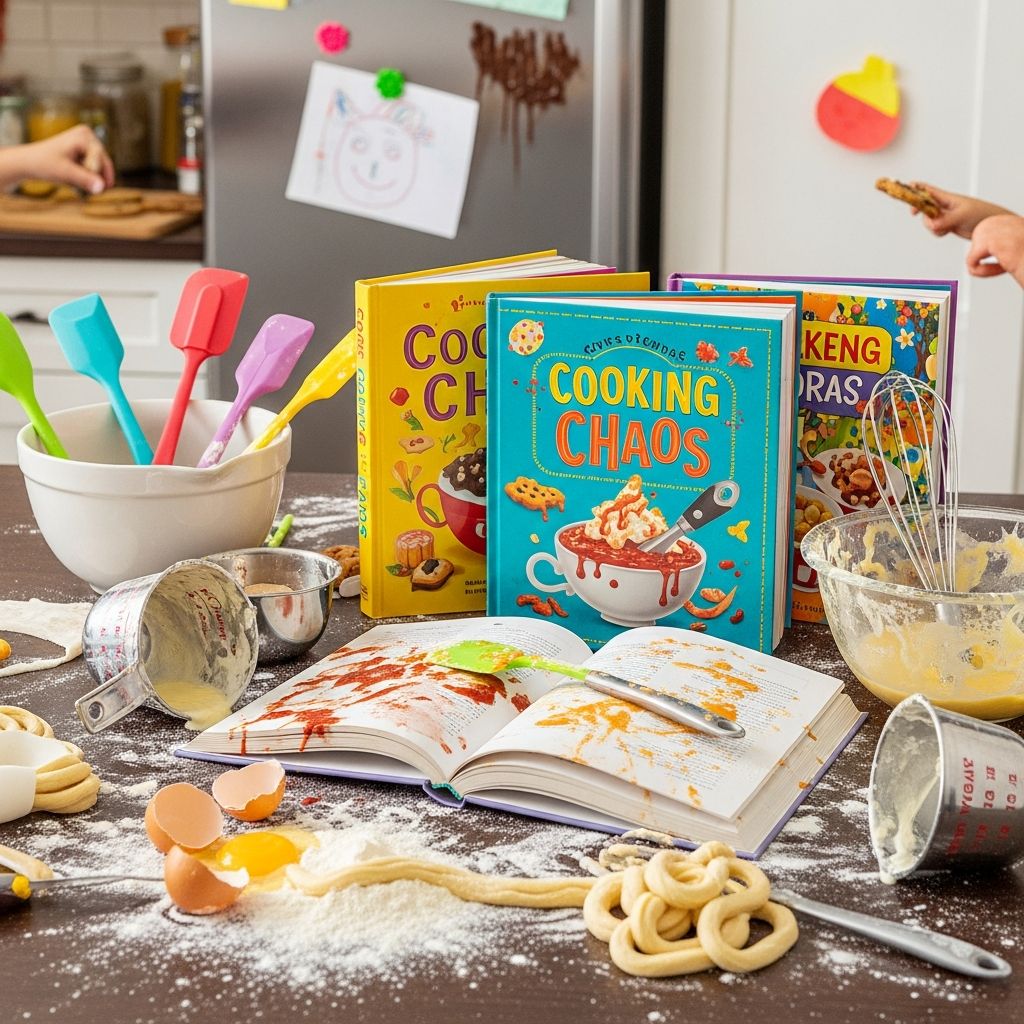
Modern family cookbooks for children are transforming the kitchen into a playground of creativity, learning, and delightful disorder. These books encourage parents and kids to dive into recipes that prioritize joy over perfection, fostering lifelong skills through shared culinary experiments.
Why Kitchen Messes Build Stronger Family Bonds
Inviting children into the kitchen amid flour clouds and sticky counters creates irreplaceable moments of connection. Cooking together offers quality family time, sparking conversations that strengthen relationships and create lasting memories. Research highlights how these interactions nurture emotional ties, turning routine meal prep into cherished rituals.
Parents often worry about the cleanup, but the rewards far outweigh the effort. Kids feel valued when included, leading to deeper trust and cooperation at home. This shared chaos teaches patience and teamwork, essential for family harmony.
Unlocking Developmental Superpowers Through Hands-On Recipes
Cooking serves as a dynamic classroom where children grasp core concepts effortlessly. Measuring ingredients introduces math skills like fractions and counting, while observing dough rise or eggs transform reveals science in action.
- Math Mastery: Scooping, leveling, and doubling recipes build numerical fluency.
- Science Sparks: Heat changes, chemical reactions, and sensory explorations demystify natural processes.
- Language Boost: Reading instructions, describing textures, and narrating steps enhance vocabulary and communication.
These activities also sharpen fine motor skills through stirring, chopping, and pouring, preparing kids for school success and daily independence.
Boosting Confidence One Recipe at a Time
From cracking eggs to presenting a finished dish, each task empowers children with a sense of achievement. Cookbooks tailored for young chefs celebrate small victories, gradually building self-reliance that carries into adulthood.
As kids master techniques, their kitchen confidence soars, reducing anxiety around new challenges. Parents witness this growth, reinforcing pride and motivation. Studies confirm that repeated successes in cooking foster resilience and a positive self-image.
Cultivating Healthy Eaters in the Heart of the Home
Children who help prepare meals are far more likely to embrace nutritious foods. Touching, smelling, and tasting ingredients during cooking piques curiosity, making vegetables and fruits exciting rather than intimidating.
Programs like those from nutrition experts show participants enjoy diverse foods more, refuse less, and anticipate meals eagerly. Families report higher vegetable intake—up to an extra serving daily—simply from kitchen involvement.
| Benefit | Impact on Eating Habits | Supporting Evidence |
|---|---|---|
| Adventurous Palate | Kids try new foods willingly | Increased veggie consumption |
| Sensory Engagement | Positive food associations | Broader diet variety |
| Family Meals | Healthier overall diets | Reduced nutritional risks |
Sparking Creativity and Problem-Solving Skills
Cookbooks that embrace improvisation invite kids to tweak recipes, blending flavors and inventing dishes. This freedom nurtures innovation, teaching that mistakes—like over-salted batter—can lead to discoveries.
Encouraging substitutions based on available ingredients hones critical thinking. Children learn to troubleshoot, such as adjusting sweetness or fixing a lumpy sauce, mirroring real-world adaptability.
Embracing the Sweet Side: Dessert-Focused Fun
Desserts hold universal appeal, making them ideal entry points for kitchen novices. Recipes for cookies, cakes, and no-bake treats allow experimentation without high stakes, keeping enthusiasm high.
These sweets can incorporate nutrition, like fruit-infused pies or yogurt parfaits, balancing indulgence with health. Families find desserts bridge picky eaters to veggies when hidden in batters or toppings.
Practical Strategies for Chaos-Proof Kitchen Sessions
Success lies in preparation and age-appropriate tasks. Start simple: toddlers can wash produce, while older kids handle knives safely with guidance.
- Prep Ahead: Chop hazards beforehand; set out tools.
- Age-Tailored Roles: Match tasks to abilities for safety and fun.
- Cleanup as Teamwork: Make tidying part of the adventure.
- Flexible Recipes: Choose forgiving ones that survive spills.
Incorporate themes like “messy monsters” to normalize disorder, turning potential frustration into laughter.
Top Recipe Ideas for Messy Masterpieces
Focus on forgiving, high-engagement recipes:
- Flourless Mud Pies: Mix, bake, and decorate with wild toppings.
- Fruit Salsa Chaos: Chop and mash for a healthy dip.
- No-Bake Energy Balls: Roll sticky mixtures into power snacks.
- Veggie Monster Cookies: Hide pureed greens in dough.
These prioritize process over precision, ensuring every session ends in edible triumph.
Overcoming Common Kitchen Hurdles with Kids
Picky eaters? Involve them in choices to build buy-in. Short attention spans? Keep sessions 20-30 minutes. Mess aversion? Use aprons, mats, and quick wipes.
Track progress in a family journal, noting favorites and funny fails, to sustain motivation.
Frequently Asked Questions
What age is best to start cooking with kids?
Begin as early as 18 months with safe tasks like mixing soft ingredients. Gradually increase complexity by age 5-7 for supervised chopping.
How do I keep the kitchen safe during family cooking?
Supervise closely, use child-safe tools, keep hot surfaces clear, and teach hygiene basics like handwashing.
Can cooking help with picky eating?
Yes, hands-on prep increases willingness to try foods, often leading to broader preferences and healthier habits.
What if my child loses interest mid-recipe?
Shorten sessions, choose quick wins, and let them lead to reignite excitement.
Are there cookbooks specifically for messy, fun cooking?
Many emphasize chaos-friendly recipes with flexible instructions, perfect for families embracing imperfection.
Long-Term Wins: Lifelong Skills from Kitchen Play
Beyond immediate fun, these experiences equip kids for independence, from college dorm meals to adult hosting. They instill nutrition awareness, reducing future health risks and promoting mindful eating.
Families who cook together report stronger dynamics, with children more proactive in home life. This investment yields dividends in confident, capable young adults.
References
- Webinar: Cooking with Kids Builds a Strong Mind and Body — NHSA. Accessed 2026. https://nhsa.org/resource/cooking-with-kids-builds-strong-mind-body/
- The Benefits of Cooking with Children & Tips for Success — Einstein Pediatrics. Accessed 2026. https://www.einsteinpeds.com/the-benefits-of-cooking-with-children-tips-for-success
- The Top 8 Benefits of Cooking with Your Child — Occupational Therapy Helping Children. Accessed 2026. https://occupationaltherapy.com.au/the-benefits-of-cooking-with-your-child/
- The Benefits of Including Kids in the Kitchen — Utah State University Extension. 2021. https://extension.usu.edu/healthwellness/research/benefits-of-including-kids-in-the-kitchen
- 8 Benefits of Bringing Your Kids into the Kitchen — Kvaroy Arctic. Accessed 2026. https://www.kvaroyarctic.com/8-benefits-of-bringing-your-kids-into-the-kitchen
- Cooking With Young Children — University of Nevada, Reno Extension. Accessed 2026. https://extension.unr.edu/publication.aspx?PubID=2468