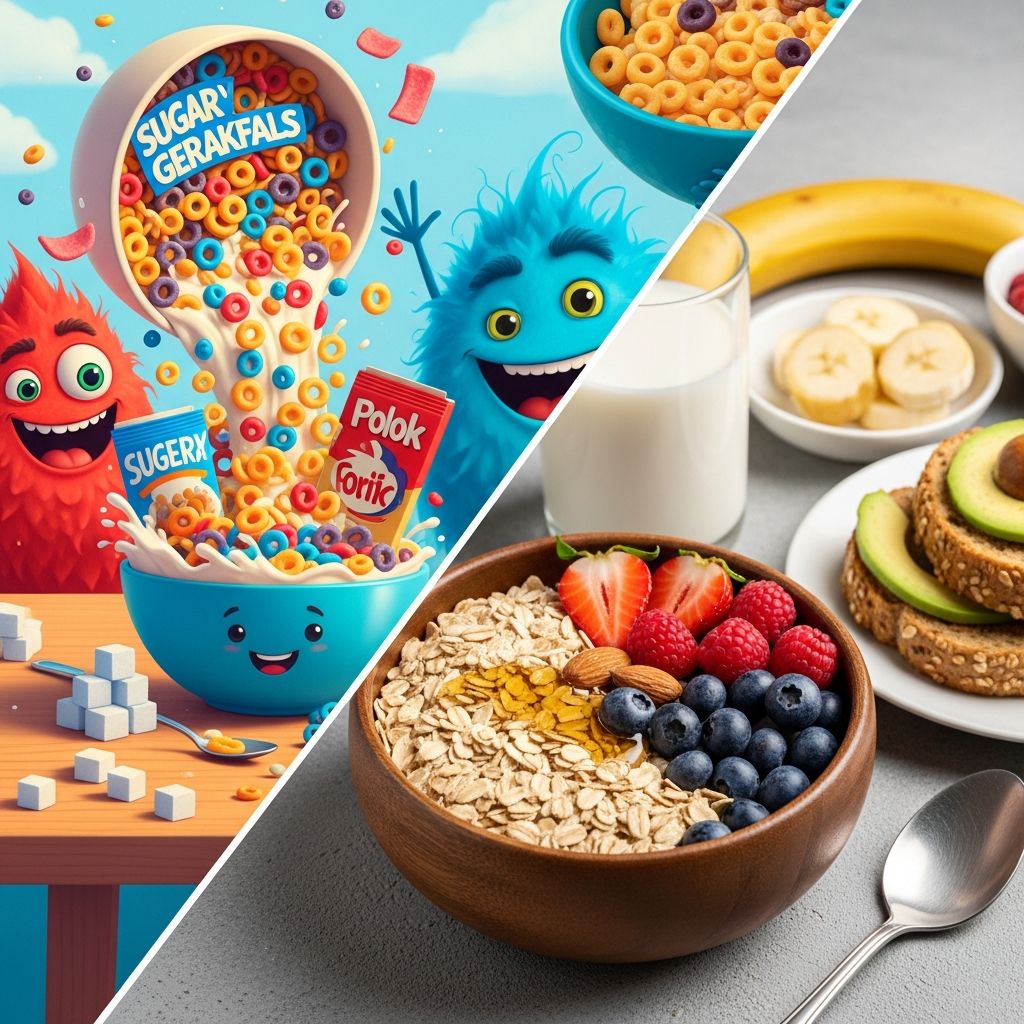
For decades, brightly colored cereal boxes promised kids a bowl full of fun and parents a fast, no-fuss breakfast. But more families are starting to question whether pouring dessert into a bowl every morning is really the best way to start the day. The shift is not about shame or perfection; it is about understanding how sweet cereals shape kids’ health, behavior, and lifelong habits—and deciding when the trade-off no longer feels worth it.
This article explores why sugary cereals became a childhood staple, what parents are learning about their impact, and how to move toward better options without turning breakfast into a daily battlefield.
The Rise of Candy-Like Breakfasts
Walk down a typical cereal aisle and you will see a wall of cartoon characters, neon colors, and promises of fun. These products are designed to feel more like toys than food, which is part of why they are so effective with kids. For a long time, many families accepted this as a normal part of childhood, especially when boxes were covered in messages about vitamins, whole grains, and energy.
Over time, though, the gap between the playful branding and the reality of what is in the bowl has become harder to ignore. Parents are increasingly reading nutrition labels, questioning sugar content, and connecting the dots between what kids eat and how they feel and behave throughout the day.
What “Sugary Cereal” Really Means
“Sugary cereal” is not just any cereal that tastes mildly sweet. The phrase usually refers to heavily processed, highly sweetened options targeted at children with bright packaging and playful mascots. These cereals often combine refined grains with multiple forms of sugar and added flavors, creating an intensely sweet, crunchy experience.
While occasional treats can fit into a balanced life, the concern arises when these products show up every morning, become an after-school snack, and sneak into evening routines as a default easy option. When cereal is effectively a candy bowl by another name, frequency starts to matter a lot more than any single serving.
How Sweet Cereals Shape Taste Buds
Children are born with a natural preference for sweetness, but highly sweetened foods can push that preference even further. When breakfast tastes as sweet as dessert, regular foods like plain yogurt, fruit, or simple oats can seem bland in comparison. Over time, kids may come to expect that every meal should taste like a treat.
This matters because early eating patterns influence how kids perceive flavor later in life. A child who is accustomed only to very sweet options may be less open to trying new foods, especially vegetables or lightly seasoned dishes, which can limit variety in their diet and make family meals more stressful.
Morning Sugar and Midday Crashes
Beyond taste preferences, the way cereal is put together can shape a child’s energy throughout the day. Many highly sweetened cereals are built on a base of refined grains with limited fiber and protein. That combination tends to digest quickly, which can cause blood sugar to rise fast and then drop just as quickly.
For kids, that roller coaster can show up as bursts of energy followed by irritability, difficulty focusing, or complaints about being hungry again soon after eating. It is not that one bowl of cereal ruins a day, but that day after day of the same pattern can make it harder for kids to feel steady and ready to learn, play, and cope with normal frustrations.
Why Marketing Makes It Harder
Part of what keeps sugar-focused cereals in family routines is not nutrition, but marketing. Bright colors, games on the box, tie-ins with cartoons, and playful mascots turn shopping into a negotiation between parents and kids. Children recognize these brands quickly and may associate them with fun, rewards, or even love and attention.
Parents, meanwhile, may feel caught between wanting to keep the peace and wanting to set limits. Clever product claims—emphasizing added vitamins or whole grains—can make it easy to feel better about choosing something familiar, even when it is much sweeter than other options on the same shelf.
Reading the Box Without Panic
Parents do not need a nutrition degree to make sense of a cereal box. A few key details go a long way. Looking at sugar per serving, fiber content, and the first few ingredients can give a quick snapshot of whether a cereal is more like a steady breakfast or more like a treat.
- Check how many different forms of sugar show up near the top of the ingredient list.
- Look for cereals that offer a meaningful amount of fiber, not just a dusting of whole grains.
- Consider whether the cereal includes some protein or whether that will need to come from milk, yogurt, or another side.
These small checks help turn the cereal aisle from a guessing game into a more informed choice, even when time is tight.
When Is a Sweet Cereal “Okay”?
Completely banning fun cereals can backfire, especially if kids start to see them as forbidden treasures that must be devoured whenever they appear. For many families, a more sustainable approach is to treat ultra-sweet cereals as an occasional item rather than a breakfast default.
This might mean serving them on weekends, using them as a topping rather than the main event, or letting kids choose a fun cereal when traveling or visiting relatives but not keeping a giant box always waiting in the pantry.
A Simple Framework for Cereal Choices
One helpful way to think about cereal choices is to sort them into three broad categories—not as rigid rules, but as guidance. This can make it easier to set expectations with children and to shop more intentionally.
| Type | Typical Features | How Often to Serve |
|---|---|---|
| Everyday cereals | Moderate or low sugar, meaningful fiber, few ingredients, not heavily dyed | Fine for most mornings when paired with a source of protein and some produce |
| Sometimes cereals | Sweeter taste, more processing, but still offer some fiber or whole grains | Better as an occasional choice, maybe a couple of times a week |
| Just-for-fun cereals | Very sweet, bright colors, cartoon branding, low fiber, dessert-like flavors | Best reserved for rare treats or small portions alongside more filling foods |
Making Healthier Bowls Without Losing Joy
One of the biggest worries parents have is that moving away from sugary cereals means losing the joy and ease of breakfast. Fortunately, there are ways to preserve the fun while giving kids something more nourishing. The goal is not to make every bowl perfectly healthy, but to make most bowls a bit better.
- Use a small handful of sweet cereal as a crunchy topping over a less sweet base.
- Serve cereal alongside fruit, nut butter, yogurt, or eggs to add protein and fiber.
- Let kids help arrange toppings in patterns or shapes to keep breakfast visually exciting.
Practical Swaps Kids Often Accept
When children are used to intense sweetness, switching overnight to plain oats is likely to spark pushback. Gradual swaps tend to work better and feel less dramatic. Parents can use similar textures and shapes to ease the transition while dialing back sugar over time.
- Move from the most intensely sweet cereal to a slightly less sugary version with similar shapes.
- Experiment with lightly sweetened granolas or whole-grain flakes mixed half-and-half with a favorite cereal.
- Offer crunchy alternatives like whole-grain toast sticks, frozen waffles with nut butter, or unsweetened cereal mixed with dried fruit.
Balancing Convenience With Care
Cereal’s biggest advantage is convenience. Busy mornings, especially in households with multiple kids or long commutes, make elaborate breakfasts unrealistic. Any approach that ignores this reality is likely to fail quickly. Rather than abandoning cereal entirely, many families find it more realistic to upgrade the options they keep on hand.
That might mean keeping one or two brands that align with family goals, preparing simple add-ons like pre-washed fruit, or using batch-cooked items—such as overnight oats or mini egg muffins—as quick, grab-and-go companions to a smaller bowl of cereal.
Talking With Kids About Breakfast Choices
Shifting away from sugar-heavy cereals is not just a food change; it is also a communication challenge. Kids can be remarkably tuned in to any hint of judgment around food, and comments like “that cereal is bad” can create pressure and confusion. A more helpful approach is to focus on how different foods help their bodies feel and function.
Parents can use simple language: some breakfasts help you stay full longer, some help your brain focus, and some are just for fun. Inviting kids into the process—asking how they feel after different meals, letting them help plan, or giving them a choice between two better options—can build ownership and reduce resistance.
Strategies for a Gentle Transition
For families who are used to a cabinet full of sweet cereals, a sudden overhaul can feel overwhelming. A gentler transition respects both adult limits and children’s expectations. The idea is to create a new normal over time, not to stage a cereal revolt.
- Start by not replacing the sweetest cereals once they are finished.
- Introduce one or two new options while still allowing a familiar favorite in smaller portions.
- Pair new cereals with something kids already like, such as fruit or a familiar milk.
- Set clear, calm boundaries about when treat cereals are served, without long lectures or bargaining.
Beyond Breakfast: Cereal as a Snack
Many kids eat cereal outside of breakfast—as a dry snack in front of the TV, after school, or before bed. This can quietly add up to a significant amount of sugar across the day. At the same time, the ease of pouring a quick bowl makes cereal an appealing option when everyone is tired.
One compromise is to steer snack-time cereal toward the less sweet end of the spectrum and treat the most sugary kinds as something that stays in the breakfast lane, where it can be balanced with other foods. Keeping pre-portioned snack containers with less sugary cereal plus nuts, seeds, or dried fruit can preserve convenience while dialing back the sugar load.
Reimagining “Fun” at the Table
Part of the emotional hold of sweet cereals comes from nostalgia and ritual. Parents remember their own childhood bowls, commercials, and Saturday mornings, and may want to recreate that feeling for their kids. The good news is that the sense of fun does not actually depend on the sugar content as much as it depends on the experience of eating together and enjoying something special.
Families can invent new rituals: a weekend “breakfast bar” with different toppings, a rotating “chef of the day” who chooses the fruit or yogurt flavor, or themed mornings where the focus is on conversation rather than what is in the bowl. These types of traditions can carry the same emotional weight as a cartoon-covered box, but with more flexibility in what is actually served.
Frequently Asked Questions
Is it wrong to let my child eat sugary cereal?
It is not inherently wrong to let a child enjoy a sweet cereal, especially when it shows up occasionally and within the context of an overall varied diet. The concern is less about a single bowl and more about patterns over weeks and months. If sweet cereals have become the default breakfast and a frequent snack, it may be worth exploring ways to reduce how often they appear and what they are paired with.
How can I cut back without causing power struggles?
Major, sudden changes tend to provoke pushback, especially if kids feel something they love is being taken away without explanation. A gradual shift—using up current boxes, buying smaller sizes, mixing cereals together, and offering choices among better options—usually feels less threatening. Keeping the tone calm and matter-of-fact, rather than moralizing or blaming the food, also helps reduce conflict.
Should I completely ban bright, cartoon-branded cereals?
For most families, an outright ban is not necessary and can even make these cereals more appealing as “forbidden” items. Treating them as special-occasion foods—similar to birthday cake or holiday candy—allows kids to enjoy them in specific contexts without expecting them every day. Clear routines, like reserving them for sleepovers or trips, can make limits feel predictable rather than punitive.
What if my child refuses all other breakfast options?
When a child is firmly attached to one kind of cereal, it is tempting to keep serving it just to avoid a meltdown. However, kids can learn to like new foods if they are offered consistently and without pressure. Parents might start by making small adjustments—adding fruit, mixing cereals, or slightly reducing portion sizes—while gradually introducing alternatives. Involving a pediatrician or dietitian can help if the resistance is extreme or tied to sensory or feeding challenges.
Are “healthier” kids’ cereals worth the extra cost?
Some cereals marketed as healthier options truly offer more fiber, more whole grains, and less sugar, while others mainly rely on clever branding. Whether they are worth the cost depends on a family’s budget and priorities. Comparing labels, choosing one or two versatile options, and combining cereal with other affordable foods such as oats, fruit, and eggs can stretch both nutrition and dollars further than relying on premium boxes alone.
Creating a Breakfast Culture That Lasts
Rethinking sugary cereals is ultimately about more than what is in one bowl; it is about the kind of relationship with food that parents hope their children will carry into adulthood. When breakfast becomes a balance of comfort, nourishment, and realistic routines, kids learn that food can be both enjoyable and supportive of their well-being.
Perfect choices are not required. What matters most is the overall pattern: small, consistent shifts toward less sugar, more variety, and more shared moments at the table. Over time, those quiet changes can matter far more than any individual box on the shelf.