Comprehensive sex education from an early age equips children with essential knowledge about their bodies, relationships, and safety, leading to healthier outcomes throughout life. Research shows it delays sexual debut, reduces risks, and promotes emotional well-being without accelerating risky behaviors.
Building Foundations in Early Childhood
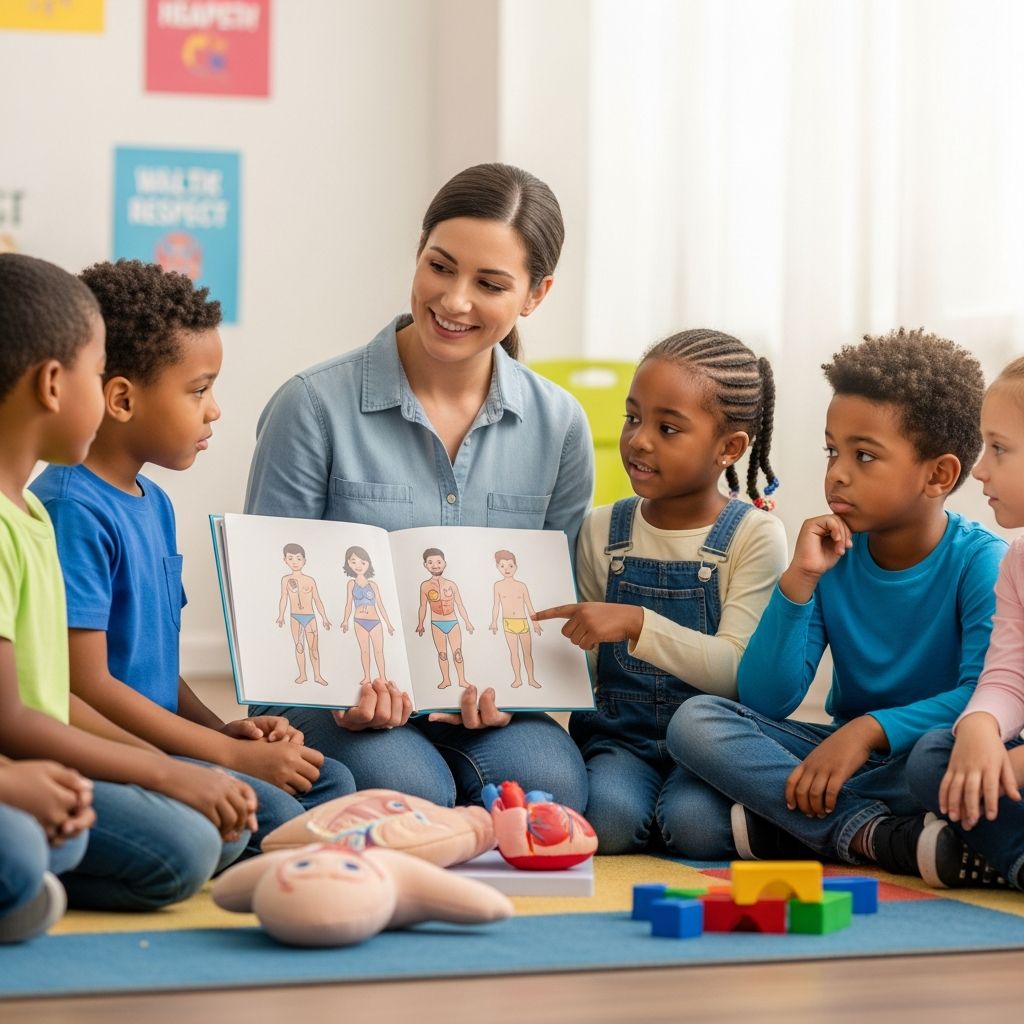
Just as foundational math concepts begin in kindergarten, sex education should introduce basic ideas like personal boundaries and respect early on. Preschoolers can grasp discussions on body autonomy, family diversity, and appropriate touch, setting the stage for advanced topics later.
Starting young normalizes open conversations about bodies and feelings, preventing shame or misinformation from peers or media. Children learn to identify safe versus unsafe situations, empowering them to speak up early.
- Develops self-protective skills against inappropriate touching.
- Fosters understanding of consent from simple ‘yes/no’ scenarios.
- Encourages parent-child talks on private parts and emotions.
Preventing Abuse and Violence Through Knowledge
Early programs significantly cut child sexual abuse by teaching recognition of grooming and disclosure skills. Studies confirm improved reporting rates and bystander intervention in later years, reducing intimate partner violence.
Youth with this education show stronger boundaries and less tolerance for harassment, creating safer schools and homes. It counters myths that such talks ‘rob innocence’ by providing tools for real-world protection.
| Outcome | Early Sex Ed Impact | Evidence Source |
|---|---|---|
| Child Abuse Prevention | Increased disclosure and self-protection | Montclair State Study |
| Partner Violence Reduction | Higher bystander actions | Comprehensive Reviews |
| Appropriate Touch Knowledge | 87% improvement in awareness | Meta-Analyses |
Promoting Healthier Sexual Choices in Teens
Contrary to fears, comprehensive sexuality education (CSE) delays first sexual activity, cuts partner numbers, and boosts contraceptive use. Teens use condoms more consistently, slashing STIs and pregnancies.
WHO data reveals informed youth practice safer sex and avoid alcohol/drug-influenced encounters. Programs emphasize responsibility, leading to consensual, infrequent activity when it occurs.
- Lower STI rates by 30-50% in educated groups.
- Fewer unintended pregnancies via protection knowledge.
- Delayed debut by 1-2 years on average.
Fostering Mental Health and Self-Esteem
CSE improves body image, emotional regulation, and interpersonal skills, vital for mental health. LGBTQ+ youth report fewer suicidal thoughts, less substance use before sex, and higher school attendance in inclusive settings.
It builds media literacy to resist distorted ‘norms,’ enhancing self-control and empathy. Overall, participants enjoy better relationships and reduced bullying.
Addressing Diversity and Inclusion
Inclusive curricula cover gender diversity, equity, and anti-racism, creating welcoming environments. Schools with LGBTQ+-affirming education see dropped homophobia and safer climates for everyone.
This prepares children for real-world variety, promoting respect across identities. Programs engage parents and communities for culturally sensitive delivery.
Overcoming Common Myths About Early Sex Ed
Myth 1: It encourages early sex. Evidence shows the opposite: delayed initiation and responsible behaviors.
Myth 2: Parents lose authority. It complements family talks, filling gaps from unreliable sources like internet myths.
Myth 3: Harms innocence. Age-appropriate facts protect, not corrupt, aligning with natural curiosity.
Myth 4: Causes more risks. Meta-analyses confirm safer outcomes, including monogamy and protection use.
How to Implement Effective Early Programs
Success requires sequential, development-matched content: preschool focuses on bodies/safety; elementary adds puberty/relationships; teens cover contraception/STIs.
Involve stakeholders: train teachers, partner with parents via workshops, adapt for cultures. Use interactive methods like role-play and discussions for engagement.
- Assess community needs for inclusivity.
- Build parent buy-in through previews.
- Monitor outcomes with age-suited evaluations.
- Integrate across subjects for reinforcement.
Real-World Evidence from Global Studies
A NIH meta-analysis of CSE effects found massive cognition gains, self-efficacy boosts, and behavior shifts like pregnancy delays. UNESCO-endorsed models confirm lifelong health impacts.
In the U.S., early adopters report academic gains from reduced health disruptions. Globally, CSE aligns with UN goals for youth well-being.
Frequently Asked Questions (FAQs)
What age should sex education start?
As early as preschool or kindergarten with basics like boundaries and body positivity, building sequentially.
Does early sex ed increase sexual activity?
No, it delays it and promotes safer practices, per WHO and multiple studies.
How can parents get involved?
Attend workshops, reinforce at home, and advocate for school programs to complement family values.
Is it suitable for all cultures?
Yes, when tailored inclusively, respecting diverse backgrounds while prioritizing safety facts.
What about LGBTQ+ inclusion?
Essential; it reduces bullying, improves mental health, and fosters empathy for all.
Early sex education transforms lives by prioritizing evidence over fear. It empowers children to thrive safely, respectfully, and confidently into adulthood.
References
- Early Sex Education for Children: Does it Work? — Smile Foundation. 2023. https://www.smilefoundationindia.org/blog/early-sex-education-for-children-does-it-work/
- Experts: Sex Education Should Begin In Kindergarten — Montclair State University. 2020-12-14. https://www.montclair.edu/newscenter/2020/12/14/experts-sex-education-should-begin-in-kindergarten/
- Comprehensive sexuality education — World Health Organization (WHO). 2023. https://www.who.int/news-room/questions-and-answers/item/comprehensive-sexuality-education
- All Young People Need and Deserve Sex Education — Healthy Teen Network. 2023. https://www.healthyteennetwork.org/news/sex-education-is-essential/
- Sex Education Benefits and Statistics — Family Planning Association. 2023. https://www.fpa.org.uk/rshe-for-teachers/sex-education-benefits-and-statistics/
- A Meta-Analysis of the Effects of Comprehensive Sexuality Education — National Institutes of Health (NIH), PMC. 2023-10-01. https://pmc.ncbi.nlm.nih.gov/articles/PMC10530760/
- Be an Askable Parent — American Sexual Health Association. 2023. https://www.ashasexualhealth.org/parents/