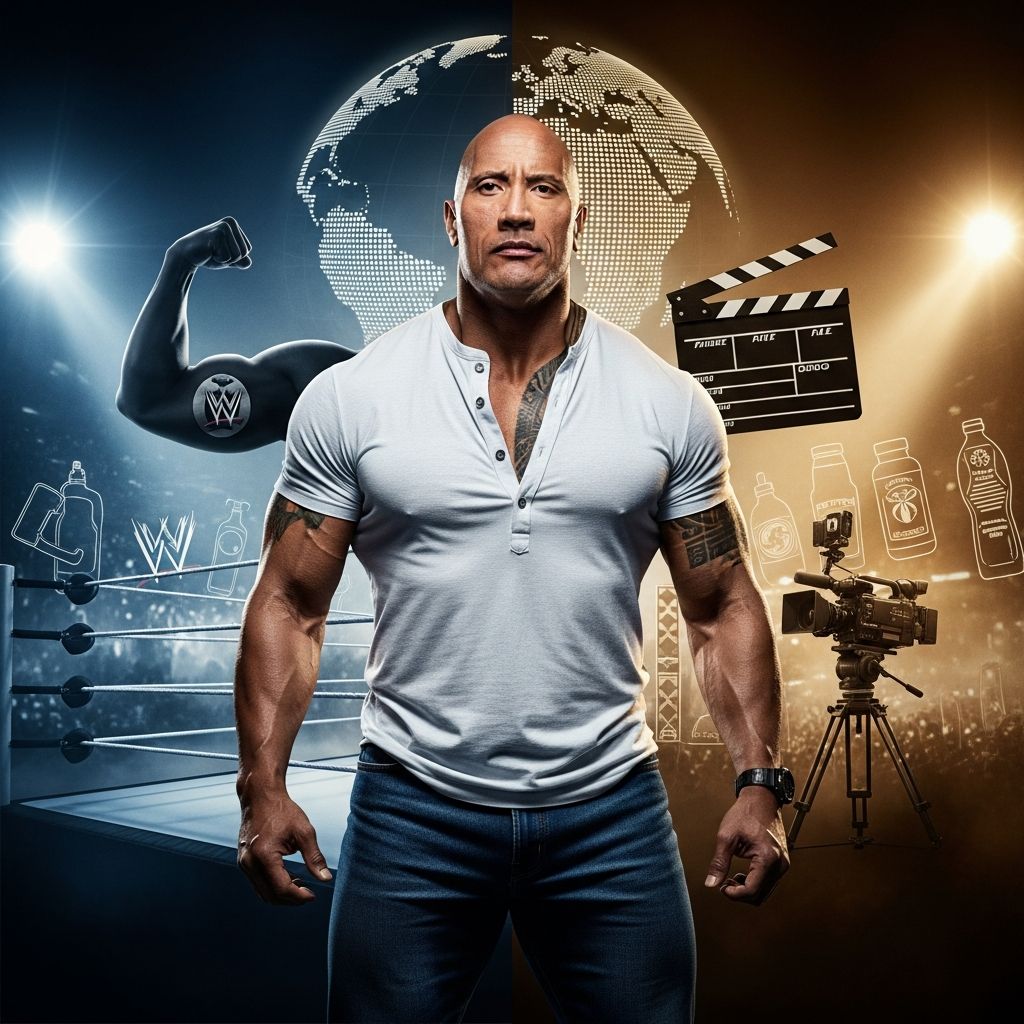
Dwayne Johnson is one of the few modern entertainers whose nickname is as famous as his real name. Long before blockbuster movies and global endorsements, “The Rock” started as an uncertain identity for a young wrestler navigating legacy, pressure, and reinvention.
This article explores how a simple nickname evolved from a nod to his family roots into a powerful personal brand that reshaped professional wrestling and entertainment marketing.
From Dwayne to “The Rock”: Why Nicknames Matter in Wrestling
In professional wrestling, names are more than labels; they are characters, stories, and marketing tools wrapped into a few memorable words. A ring name has to be easy to chant, easy to remember, and strong enough to carry a storyline for years.
For Dwayne Johnson, the journey to “The Rock” was not instant. It required trial and error, reflection on his heritage, and a willingness to lean into a persona that felt both larger-than-life and deeply personal.
Family Legacy: The Foundation Beneath the Nickname
Before Dwayne Johnson ever stepped into a WWE ring, his family had already carved out a respected place in professional wrestling. His father and maternal relatives helped establish a legacy that would eventually shape his identity.
- He grew up backstage at arenas, watching his elders perform, cut promos, and live the demanding life of touring wrestlers.
- From an early age, he understood that wrestling was not just about athleticism; it was storytelling and performance.
That background made it almost inevitable that his ring name would connect, in some way, to the people who walked that path before him.
The Early Ring Identity: When the First Gimmick Doesn’t Click
Like many wrestlers, Dwayne didn’t start with the name that later made him famous. His earliest televised persona presented him as a bright, traditional good guy. On paper, it seemed like a safe, marketable choice, but audiences reacted coolly.
- Fans in wrestling arenas can be brutally honest, and their negative responses signaled that the initial character felt forced.
- This rejection was painful but essential; it pushed him to reconsider not just his look and attitude, but his entire in-ring identity.
That period of struggle created the space he needed to evolve into someone more authentic and more compelling.
Why “The Rock” Worked When Other Gimmicks Failed
When the name “The Rock” emerged, it solved several problems at once. It was short, powerful, and visually and verbally striking. Even without context, the word suggested strength, durability, and presence.
Equally important, the nickname carried emotional weight. It acted as a bridge between his family’s legacy and his own voice, grounding his over-the-top persona in something personally meaningful.
Character Traits That Defined “The Rock”
What truly gave the nickname power was the personality attached to it. “The Rock” became a masterclass in how to inhabit a character so fully that the line between role and real life begins to blur.
- Confidence as a performance tool: He projected unshakable self-belief, which made the name feel earned rather than invented.
- Sharp comedic timing: Humor softened the arrogance and made his bravado entertaining rather than irritating.
- Physical presence: His athletic build and expressive body language visually justified a name that implied strength.
- Vocal style: Rhythm, volume, and phrasing turned simple lines into crowd-pleasing moments.
The Rock as a Case Study in Personal Branding
Long before “personal brand” became a buzzword, The Rock operated like a living, breathing brand asset. Every entrance, promo, and match reinforced the meaning of the name and what it stood for.
For anyone studying branding, his evolution offers a clear lesson: a strong brand name becomes truly valuable only when it is consistently backed up by performance and personality.
Brand Elements Behind the Nickname
| Brand Element | How “The Rock” Embodied It |
|---|---|
| Name | Short, memorable, visually strong, and easy to chant in arenas. |
| Visual Identity | Distinctive eyebrow raise, branded apparel, and expressive facial reactions. |
| Voice & Tone | Bold, theatrical, humorous, and rhythmically delivered catchphrases. |
| Story | From struggling newcomer to charismatic leader and main-event star. |
| Emotional Promise | Entertainment, energy, and a sense that something memorable could happen at any moment. |
From Ring Name to Hollywood Calling Card
As Johnson transitioned from wrestling to acting, the nickname became an asset—and sometimes a question mark. Would Hollywood take someone seriously who was known primarily by a wrestling moniker?
At first, film credits often attached the name directly, signaling to wrestling fans that their favorite star was stepping onto a new stage. Over time, he began using “Dwayne Johnson” more prominently, but “The Rock” never disappeared from public memory.
Balancing Two Identities
- Early in his film career, the nickname functioned like a safety net, ensuring that established fans followed him into theaters.
- As his range as an actor expanded, “Dwayne Johnson” took the lead in credits, while “The Rock” remained a cultural shorthand for his energetic, larger-than-life persona.
This dual identity allowed him to grow creatively while retaining the powerful recognition built in the ring.
How the Nickname Shapes Audience Expectations
Names prime expectations. When audiences hear “The Rock,” they anticipate a specific experience: charisma, intensity, and a blend of action and humor. That expectation influences how his movies are marketed and how fans react to his roles.
Even in family films or comedies, the nickname adds an implicit promise of energy and reliability. Viewers feel they know what they are signing up for, which reduces risk for studios and brands that partner with him.
The Psychology Behind a Powerful Moniker
From a psychological perspective, the nickname “The Rock” taps into universal symbols. Rocks suggest stability, strength, and permanence—qualities that audiences subconsciously associate with leadership and trustworthiness.
By tying his identity to that symbol, Johnson positioned himself as someone audiences could rely on, both in the wrestling ring and on screen.
Lessons Creators and Athletes Can Learn
The story of how Dwayne Johnson grew into “The Rock” offers practical lessons for anyone building a public persona, whether in sports, entertainment, or online content creation.
- Start with authenticity: The most successful version of his character came when he stopped trying to be a generic hero and leaned into his true voice and personality.
- Welcome failure as feedback: The early rejection of his first persona provided the data he needed to transform.
- Honor your roots: Connecting his nickname to his heritage gave it depth that a random stage name would not have.
- Be consistent: Repeating mannerisms, phrases, and styles strengthened recognition and loyalty.
Nicknames, Identity, and Growth Over Time
What makes “The Rock” unusual is that the nickname did not trap Dwayne Johnson—it evolved with him. In wrestling, it signified a brash, unstoppable competitor. In film, it came to represent a dependable, bankable star.
This evolution shows that a nickname does not have to lock someone into a single role. With careful choices and steady growth, it can expand, gaining new shades of meaning across different stages of a career.
Frequently Asked Questions About “The Rock”
Is “The Rock” still an official part of Dwayne Johnson’s name?
In most modern film credits and public appearances, he is billed as Dwayne Johnson, but “The Rock” remains an informal, widely recognized nickname that continues to appear in marketing, interviews, and fan discussions.
Did the nickname come before or after his early wrestling struggles?
The nickname rose to prominence after an initial run under a different persona that received a lukewarm response from audiences. Those early struggles were a key factor in the shift toward a more dynamic character.
Why has the nickname lasted even after his transition to acting?
The longevity of “The Rock” comes from its deep association with charisma, energy, and reliability. Even people who never watched wrestling recognize it from movie posters, talk shows, and pop culture references.
Is “The Rock” a completely separate character from Dwayne Johnson?
The wrestling persona is more exaggerated than Johnson’s off-screen self, but it is rooted in real aspects of his personality—confidence, humor, and intensity. Over time, the line between character and person has become more fluid.
What can aspiring performers learn from how he used the nickname?
Aspiring performers can learn that a name alone is not enough; it must be backed by consistent performance, authenticity, and a clear sense of what the persona represents to audiences.
Why the Story Behind a Name Matters
The origin and evolution of “The Rock” reveal that a nickname can be more than a catchy phrase. When grounded in heritage and developed through persistence, it can become a powerful anchor for storytelling and branding.
Dwayne Johnson’s journey from uncertain young wrestler to global icon shows that the right name, matched with the right work ethic and personality, can transform a career and leave a lasting imprint on culture.