School-age children, typically between 6 and 12 years old, experience rapid growth in body, mind, and social skills. Integrating regular physical activity into their routines is crucial for fostering holistic development. Health experts recommend at least 60 minutes of moderate-to-vigorous movement daily to support everything from bone strength to academic success. This guide explores the profound impacts of activity, practical ways to incorporate it, and solutions to common hurdles faced by busy families.
Why Movement Matters: Core Physical Advantages
Daily exercise builds a strong foundation for lifelong health. For growing children, it directly influences musculoskeletal systems, cardiovascular function, and metabolic balance.
- Bone and Muscle Fortification: Weight-bearing activities like jumping rope or soccer stimulate bone density and muscle growth, reducing future fracture risks.
- Cardiovascular Resilience: Aerobic exercises improve heart efficiency, lower blood pressure, and maintain healthy cholesterol levels from a young age.
- Weight Regulation: Consistent movement burns calories and boosts metabolism, countering obesity trends prevalent in modern childhood.
These benefits compound over time. Children engaging in varied exercises develop better coordination and endurance, preparing them for sports and everyday tasks.
Mental Sharpness and Academic Gains from Active Play
Beyond the body, exercise energizes the brain. It enhances neural connections, improving focus and learning capacity essential for school performance.
| Benefit | How Exercise Helps | Evidence-Based Outcome |
|---|---|---|
| Enhanced Memory & Attention | Increases blood flow and neurotrophic factors to the brain | Better test scores in math and reading |
| Problem-Solving Skills | Promotes cognitive flexibility through dynamic movement | Improved classroom engagement |
| Stress Management | Releases endorphins to combat anxiety | Reduced depression symptoms |
Studies show active kids attend school more regularly and exhibit fewer behavioral disruptions, creating a positive feedback loop for educational success.
Social Bonds and Emotional Growth Through Group Activities
Physical play is a social catalyst. Team games teach cooperation, empathy, and resilience, vital for peer relationships.
- Team sports like basketball build communication and leadership.
- Group outings foster family ties and conflict resolution skills.
- Individual pursuits like dance enhance self-confidence independently.
Emotionally, movement alleviates isolation feelings, boosts self-esteem, and channels energy positively, curbing aggression.
Age-Tailored Activity Recommendations
Tailor movement to developmental stages for maximum engagement and safety.
Early School Years (6-8 Years)
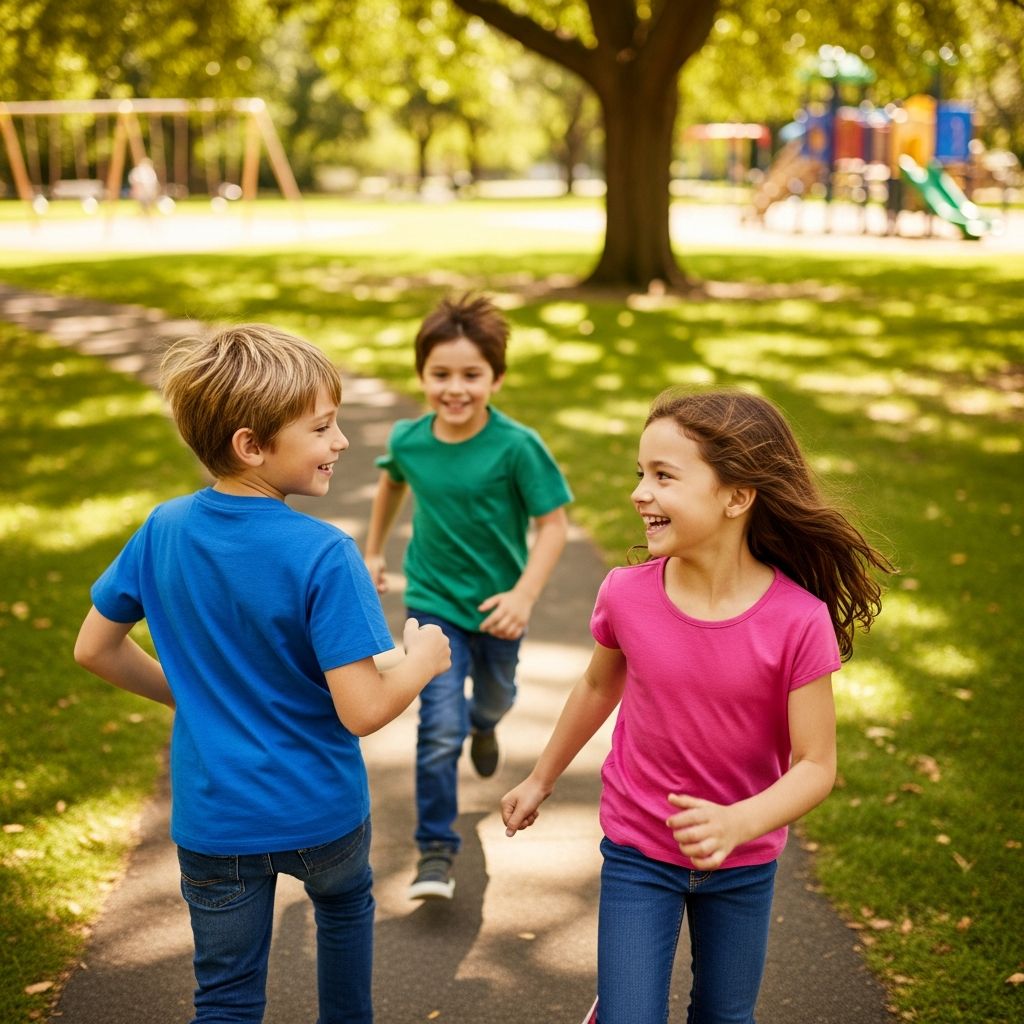
Focus on fun, fundamental skills. Aim for 60 minutes split into bursts: 30 minutes aerobic (running, biking), 20 minutes muscle-building (climbing, pushing), 10 minutes flexibility (stretching).
Middle School Age (9-12 Years)
Incorporate complexity with sports drills or yoga. Include bone-strengthening thrice weekly, like jumping or resistance play.
Variety prevents boredom: mix outdoor adventures, indoor games, and structured classes.
Practical Strategies to Spark Daily Activity
Make movement seamless in family life with these actionable tips.
- Family Walks Post-Dinner: Turn evenings into 20-minute neighborhood strolls, discussing the day.
- Active Chores: Assign tasks like gardening or sweeping to count toward daily goals.
- Weekend Challenges: Organize scavenger hunts or bike rides for 1-2 hours of play.
- School Integration: Advocate for recess extensions or after-school clubs.
Leverage free resources: parks, YouTube dance videos, or community centers for low-cost options.
Overcoming Barriers to an Active Lifestyle
Screens, schedules, and weather often derail plans. Counter with preparation.
- Screen Limits: Set ‘movement before media’ rules; use apps to track steps.
- Busy Schedules: Embed micro-sessions, like jumping jacks during homework breaks.
- Indoor Alternatives: Rainy days? Try obstacle courses with household items or virtual reality fitness.
- Motivation Boosts: Reward streaks with non-food incentives like new gear.
Lead by example—parental activity doubles a child’s participation odds.
Recognizing and Addressing Activity Shortfalls
Signs of inactivity include fatigue, weight gain, or irritability. Consult pediatricians if joint pain arises, but most issues resolve with gradual increases. Hydration, proper shoes, and sun protection ensure safety.
Long-Term Habits for Lifelong Vitality
Instilling activity now prevents adult diseases like diabetes and heart issues. Track progress with family charts, celebrating milestones to sustain enthusiasm.
Frequently Asked Questions (FAQs)
What if my child dislikes sports?
Opt for non-competitive fun like hiking, swimming, or dance classes to build positive associations.
How much is too much activity?
Stick to 60 minutes daily; monitor for exhaustion. Rest days prevent overuse injuries.
Can sedentary kids suddenly ramp up?
Start slow with 10-15 minute sessions, gradually increasing to avoid strain.
Does exercise help with ADHD or anxiety?
Yes, it improves focus and mood via endorphin release and better sleep.
What about screen-based active games?
They supplement but don’t replace outdoor play; limit to 20% of activity time.
References
- Why Exercise Is Essential for Children’s Development and Orthopaedic Health — CFA Ortho. 2024-08-01. https://www.cfaortho.com/media/news/2024/08/why-exercise-is-essential-for-children-s-development-and-orthopaedic-health
- Encourage Your Child to Be Physically Active — Parkway Pediatrics. Accessed 2026. https://www.pkwypediatrics.com/parenting-tips/Encourage-Your-Child-to-Be-Physically-Active
- AHA Recommendations for Physical Activity in Children — American Heart Association. Accessed 2026. https://www.heart.org/en/healthy-living/fitness/fitness-basics/aha-recs-for-physical-activity-in-children
- Benefits of Physical Activity for Children — Healthdirect (Australian Government). Accessed 2026. https://www.healthdirect.gov.au/benefits-of-physical-activity-for-children
- Importance of Physical Activity in Child Development — Pediatric Associates. Accessed 2026. https://www.pediatricassociates.net/blog/physical-activity-in-child-development
- Health Benefits of Physical Activity for Children — CDC (U.S. Department of Health & Human Services). Accessed 2026. https://www.cdc.gov/physical-activity-basics/health-benefits/children.html
- The Benefits of Physical Activity and Exercise on Mental Health — Children’s Hospital Colorado. Accessed 2026. https://www.childrenscolorado.org/just-ask-childrens/articles/mental-health-benefits-exercise/