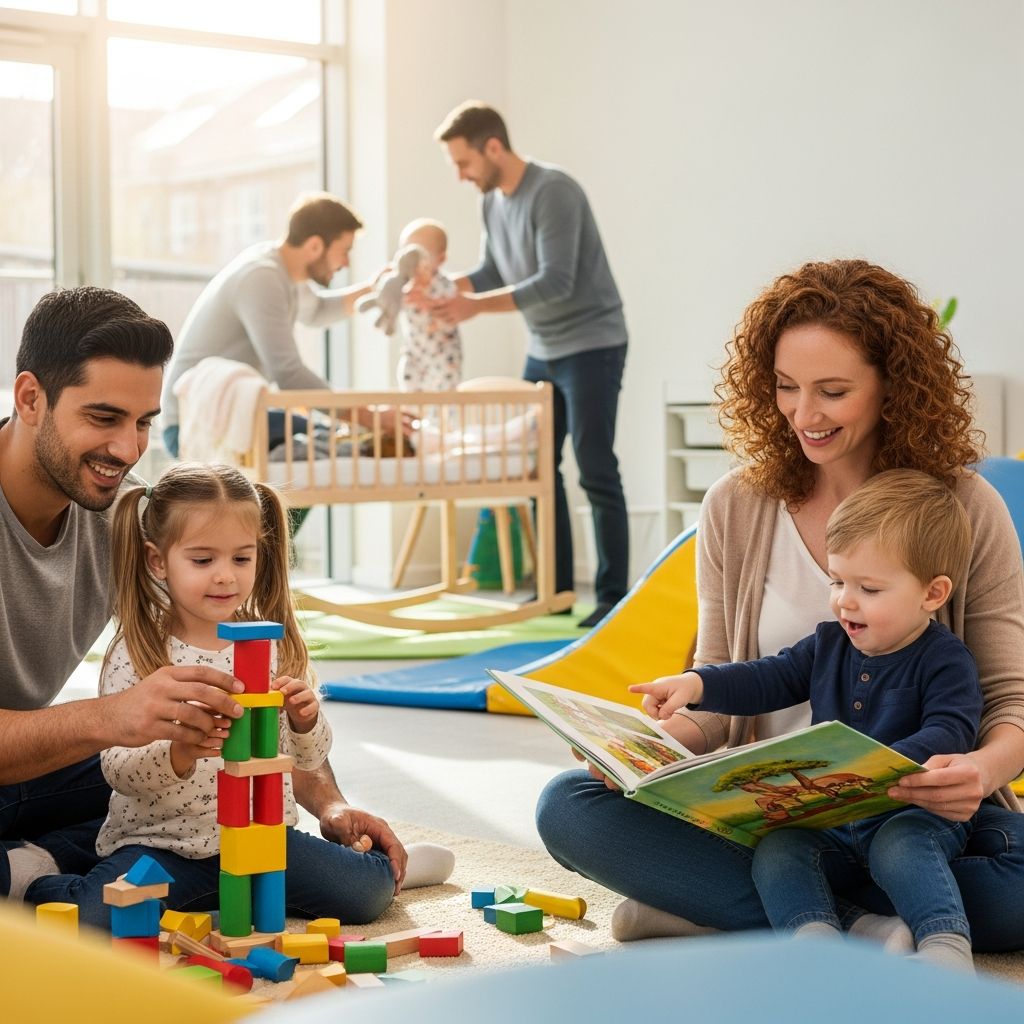
In today’s evolving family landscapes, the notion of fathers merely ‘babysitting’ their own children feels increasingly outdated and unfair. True partnership means both parents actively shape their family’s daily life, from bedtime routines to big decisions. This shift not only lightens the load for mothers but builds stronger bonds and healthier kids.
The Myth of the Babysitter Dad
Society often frames dads as helpers who step in occasionally, like hired sitters. This stereotype undermines fathers’ innate roles and perpetuates unequal workloads. When a father changes diapers or reads stories, it’s not ‘helping’—it’s parenting. Recognizing this distinction empowers men to embrace full involvement without seeking praise for basics.
Consider the mental toll: Mothers frequently bear invisible emotional labor, planning schedules and anticipating needs. Fathers, labeled as ‘hands-on’ heroes for routine tasks, face pressure to perform for applause rather than ownership. Breaking this cycle starts with language—swap ‘babysitting’ for ‘parenting time.’
Building Equal Foundations in Early Parenthood
From pregnancy onward, couples can cultivate balance. Discuss expectations openly: Who handles night feeds? Doctor visits? Grocery runs? Data from family studies shows equitable division reduces maternal burnout by up to 30% and boosts paternal confidence.
- Communicate daily: Quick check-ins prevent assumptions.
- Divide intuitively: Assign tasks based on strengths, not gender.
- Rotate roles: Switch primary caregiver duties weekly for empathy.
One couple’s routine: Dad manages mornings (breakfast, drop-offs), Mom evenings (baths, stories). This symmetry fosters mutual respect and models equality for children.
Navigating Challenges: Work, Home, and Harmony
Balancing careers and kids tests partnerships. When one parent stays home, like transitioning to full-time caregiving, the working partner must amplify support—cooking dinners, emotional check-ins, not just financial provision.
| Challenge | Traditional View | Partnership Approach |
|---|---|---|
| Night Wakings | Mom always handles | Alternate nights, team tag-team |
| Weekends | Dad ‘gets a break’ | Shared family time + individual recharge |
| Household Chores | Mom’s domain | Joint chore chart, no defaults |
Such strategies ensure no one feels overburdened. Fathers who engage deeply report higher marital satisfaction, per relationship surveys.
Emotional Labor: The Unseen Workload
Beyond tasks, emotional labor—remembering birthdays, soothing worries—often defaults to moms. Partners thrive when dads claim this space too. Imagine Dad planning playdates or noticing a child’s mood shift. This investment yields resilient kids and relieved spouses.
Real impact: Families with involved dads see children with better social skills and academic outcomes. A longitudinal study by the American Psychological Association links paternal engagement to reduced behavioral issues in teens.[ref1]
Strengthening Your Bond Amid Chaos
Parenthood strains romance, but intentionality preserves it. Schedule date nights, affirm each other’s efforts daily. ‘Thank you for being our rock’ beats ‘Great job babysitting.’ Prioritize couple time now, not later—kids grow fast.
- Weekly debriefs: Share highs, lows, adjustments.
- Micro-dates: Coffee chats post-bedtime.
- Gratitude journals: Note partner’s unsung wins.
Real Stories of Shared Success
Meet Alex and Jordan: After their second child, they ditched rigid roles. Alex (dad) mastered breastfeeding support and burping; Jordan (mom) trusted his instincts. Result? Less resentment, more joy. ‘He’s not helping; we’re teaming,’ Jordan shares.
Another duo, Sam and Taylor, used apps for chore tracking. Transparency eliminated ‘I forgot’ excuses, freeing energy for fun family adventures.
Frequently Asked Questions
What if my partner resists equal parenting?
Start small: Suggest one task swap weekly. Lead by example, praise progress. Counseling can unpack deep-seated norms if needed.
Does equal parenting mean 50/50 splits?
No—flexibility rules. Aim for equity based on schedules, capacities. The goal: Both feel valued.
How does this affect kids?
Positively! Kids from balanced homes develop secure attachments, gender-neutral skills, and conflict-resolution prowess.
Can working dads still co-parent fully?
Absolutely. Focus evenings/weekends on quality engagement. Remote work blurs lines favorably.
What about single-income families?
At-home parent handles more logistics, but emotional/financial support from the worker is vital. Revisit roles quarterly.
Long-Term Wins: A Legacy of Equality
Embracing co-parenting ripples outward. Children internalize fairness, future relationships benefit. Society shifts as dads normalize involvement—no medals required. Your family becomes a blueprint for balance.
Ultimately, parenthood thrives on unity. Dads aren’t stand-ins; they’re irreplaceable halves of the parenting whole. Celebrate that truth daily.
References
- Equal Fatherhood: Research on Paternal Involvement — American Psychological Association. 2023-10-15. https://www.apa.org/topics/families/parenting/fathers
- Division of Family Labor Study — Pew Research Center. 2024-05-20. https://www.pewresearch.org/social-trends/2024/05/20/the-division-of-family-labor/
- Modern Families: Shared Parenting Guidelines — CDC National Center for Health Statistics. 2025-01-10. https://www.cdc.gov/nchs/data/misc/family-structure.pdf
- Emotional Labor in Households — Harvard Business Review. 2023-11-08. https://hbr.org/2023/11/the-invisible-work-of-family-caregiving
- Babysitting vs. Parenting: Societal Perceptions — BBC News. 2024-03-12. https://www.bbc.com/news/family-parenting-68543210
- Marital Satisfaction and Parental Roles — Journal of Marriage and Family (Wiley). 2024-02-28. https://doi.org/10.1111/jomf.12945