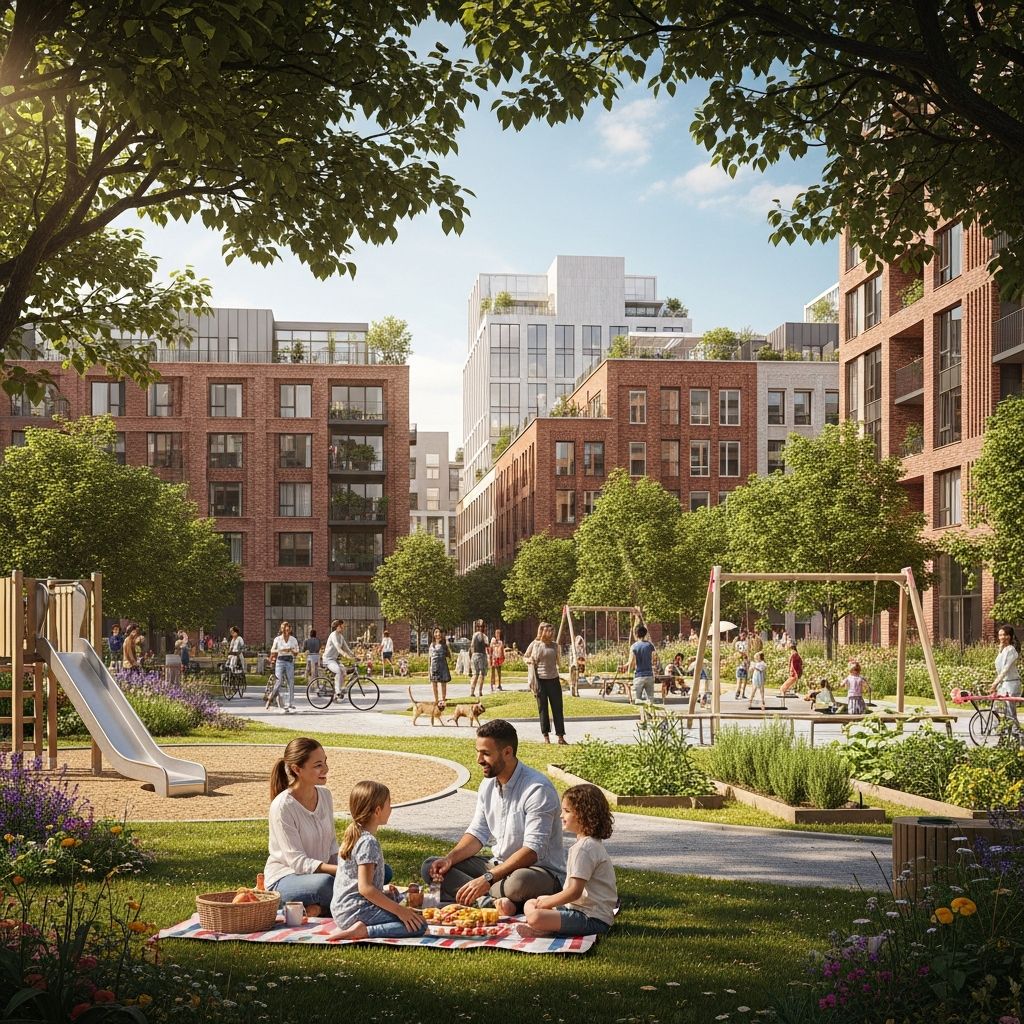
The landscape of family living has undergone a significant transformation in recent decades. Once relegated to the realm of young professionals and empty nesters, major metropolitan areas have become increasingly attractive destinations for families with children. This shift represents a fundamental change in how parents conceptualize their ideal living environments and what they prioritize when making decisions about where to establish their households. The reasons behind this trend are multifaceted and compelling, reflecting both practical considerations and deeper values that today’s parents hold dear.
The Cultural Richness That Shapes Young Minds
One of the most compelling reasons families gravitate toward urban environments is the unparalleled access to cultural institutions and experiences. Children growing up in cities have the opportunity to visit world-class museums, attend theatrical performances, enjoy musical concerts, and participate in artistic programs that simply may not be available in other settings. This constant exposure to the arts and cultural diversity fundamentally shapes how children perceive the world and their place within it.
Rather than treating cultural experiences as special occasions requiring significant planning and travel, urban families can incorporate these activities into their regular routines. A trip to a natural history museum becomes as simple as catching a bus, and weekend outings might include attending a symphony performance or exploring galleries. This accessibility democratizes cultural engagement, allowing families across various socioeconomic backgrounds to participate in enriching activities that would otherwise require considerable time and financial investment to access.
The normalization of cultural participation in urban settings also influences children’s attitudes toward learning and exploration. When young people grow up surrounded by institutions dedicated to preserving and sharing knowledge, they develop a different relationship with intellectual pursuits and creative expression.
Simplified Transportation and Reduced Commute Burdens
The practical advantage of minimized commuting cannot be overstated when considering family life in urban environments. Parents who work and live within the same metropolitan area often experience dramatically shortened travel times to their workplaces. This reduction in commuting has cascading positive effects on family dynamics and daily life quality.
When parents spend less time in transit, they reclaim hours each week that can be redirected toward meaningful family interactions. A parent with a one-mile walkable commute, for example, gains flexibility that suburban or rural counterparts simply do not have. This proximity enables spontaneous visits during lunch breaks, quick pickups for medical appointments without requiring full days away from work, and the ability to be present for unexpected needs or celebrations.
The availability of public transportation systems in urban centers provides additional benefits beyond reducing personal commute times. Families who do not rely on private vehicles enjoy cost savings, reduced environmental impact, and the freedom that comes from not being dependent on car ownership. Children also benefit from exposure to public transportation infrastructure, learning valuable skills about navigating complex systems and developing independence as they grow older.
Proximity Creates Richer Social Networks
Urban density fundamentally changes the nature of social connections for families. Unlike suburban environments where playmates might live significant distances away, city neighborhoods typically concentrate families in relatively compact areas, making spontaneous social interactions and planned gatherings considerably easier to arrange.
This geographic proximity facilitates the development of deeper friendships among children. Instead of playdates requiring significant logistical coordination and parental driving commitments, neighbors’ children might simply live a few blocks away, enabling more frequent and casual interactions. For parents, this means less time spent as chauffeurs and more opportunity for authentic social relationships with other families in their immediate vicinity.
Cities also offer diverse spaces designed specifically for social interaction. Parks with playgrounds, coffee shops, community gardens, fitness facilities, and neighborhood gathering spaces provide natural venues for families to meet and connect. Multi-family residential buildings often feature shared amenities like pools, fitness centers, and community areas that facilitate organic relationship-building among families. These shared spaces create a sense of community that extends beyond individual residences.
Exposure to Global Perspectives and Diverse Backgrounds
Metropolitan areas attract individuals from around the world, creating uniquely diverse communities where children encounter people with varied cultural backgrounds, languages, and life experiences. This diversity offers educational benefits that extend far beyond classroom instruction. Growing up alongside peers from different cultures, religions, and socioeconomic backgrounds naturally cultivates empathy, cultural awareness, and tolerance.
Rather than learning about global perspectives solely through textbooks and curricula, urban children experience cultural diversity through everyday interactions and friendships. A child might discover new cuisines through classmates’ lunch boxes, learn about different cultural celebrations through community events, and develop genuine understanding of diverse worldviews through personal relationships. This immersive exposure to difference shapes children’s values and their capacity for compassion in ways that traditional education cannot replicate.
The cosmopolitan nature of urban centers also exposes children to multiple professional fields and career possibilities. They observe the diversity of adult roles and achievements within their communities, potentially expanding their own aspirational horizons and demonstrating that numerous paths to success exist.
Unmatched Access to Educational Resources and Institutions
Cities frequently host major universities, specialized schools, and educational institutions that provide learning opportunities beyond traditional classroom settings. Universities often make their facilities available to community members through lectures, performances, and special programs. Additionally, the concentration of educators and educational professionals in urban areas typically results in more abundant tutoring resources and academic support services.
The presence of these educational institutions also attracts skilled educators and professionals who contribute expertise to the broader community. Libraries in metropolitan areas are typically more comprehensively stocked, offering extensive collections of books, digital resources, and programming. These institutions serve as intellectual hubs that families can leverage to supplement formal education.
Medical Excellence and Healthcare Infrastructure
Cities serve as hubs for medical innovation and excellence, typically hosting teaching hospitals, specialized medical centers, and the concentration of highly trained healthcare professionals. For families with children requiring specialized medical care, this proximity to world-class medical facilities can be genuinely life-changing. Even for routine healthcare needs, the abundance of qualified pediatricians, specialists, and urgent care facilities ensures that families have numerous options and can typically secure appointments relatively quickly.
The infrastructure supporting medical care in urban areas extends beyond hospitals and clinics. Pharmacies, medical supply stores, and health-related services are abundant and easily accessible, reducing the time and effort required to address basic healthcare needs.
Outdoor Spaces Designed for Recreation and Exploration
Contrary to common misconceptions, cities offer substantial outdoor recreational opportunities through carefully designed parks and green spaces. While these environments differ from suburban yards, they provide different but equally valuable benefits. Urban parks serve as gathering places that bring together families and community members, creating shared recreational experiences while providing children with safe spaces to play and explore.
Many cities have invested heavily in park development, bike trails, and outdoor recreational infrastructure, recognizing the importance of these spaces for resident well-being. Rather than individual yards requiring personal maintenance, shared parks offer professionally maintained facilities with diverse amenities. These public spaces democratize access to outdoor recreation, ensuring that all families, regardless of individual financial resources, can access quality outdoor environments.
Convenience and Service Accessibility
The urban environment offers unparalleled convenience in terms of accessing goods and services. Essential items from groceries to baby supplies can be obtained quickly and easily, with many retailers offering delivery services for added convenience. This accessibility reduces the time and effort required for routine shopping and errands, freeing up hours that families can allocate toward meaningful activities together.
The concentration of businesses and services in cities means that families can typically find specialized retailers and service providers for virtually any need. Whether seeking specific children’s clothing, educational toys, or specialized services, urban families enjoy abundant options and competitive pricing resulting from market density.
Employment Opportunities and Career Advancement
Cities serve as economic engines offering robust job markets with diverse career opportunities and typically higher compensation levels. For dual-career families, the concentration of employers across multiple industries increases the likelihood that both partners can find meaningful employment aligned with their professional goals and qualifications. This economic diversity reduces the pressure to relocate when career changes occur, providing greater stability for family life.
The competitive job market in urban centers also tends to drive higher wages and more comprehensive benefits packages, which can substantially impact family financial security and quality of life. Additionally, the density of networking opportunities and professional connections in cities can accelerate career development for motivated professionals.
Childcare Options and Professional Care Services
Urban areas typically offer abundant childcare options, from licensed daycare facilities to in-home providers to university-based programs. While childcare remains a significant family expense regardless of location, the concentration and competition among providers in cities can sometimes yield more affordable options compared to areas with limited availability. Additionally, university towns frequently have access to student babysitters, some of whom possess specialized training in early childhood education.
Eco-Conscious Living Opportunities
Environmental considerations increasingly influence where families choose to live, particularly among younger parents who prioritize sustainability. Urban living inherently supports environmentally conscious lifestyles through reduced reliance on personal vehicles, efficient energy usage in multi-family dwellings, and proximity that minimizes transportation distances for routine needs. These factors combine to create a significantly smaller environmental footprint compared to suburban or rural living patterns.
Furthermore, cities often provide access to farmers’ markets, organic retailers, and locally-sourced products that support sustainable consumption patterns. The walkability of urban neighborhoods means families can reduce their dependence on automobiles, directly contributing to lower carbon emissions.
Key Considerations for Urban Family Living
While urban living offers substantial benefits for families, prospective residents should carefully evaluate specific cities based on several critical factors that significantly impact the family experience:
- Educational Systems: The quality of public schools represents one of the most important factors in family decisions to remain in urban environments. Schools with strong academic records, comprehensive programming, and robust support services directly influence whether families stay or relocate.
- Housing Affordability: The cost of housing in major metropolitan areas can present genuine barriers for families, making this consideration paramount in relocation decisions.
- Transportation Infrastructure: Functional public transit systems, bike lanes, pedestrian-friendly streets, and accessible parking create environments where families can navigate effectively.
- Park and Recreation Programs: The availability of maintained outdoor spaces and organized summer programs directly impacts daily family life quality.
- Childcare Affordability: Despite abundant options, childcare costs in some urban markets can rival or exceed annual rent, presenting real financial challenges for working parents.
- Neighborhood Safety: While cities generally offer safety advantages compared to rural areas in certain metrics, neighborhood selection remains important for family well-being.
Frequently Asked Questions
Q: Don’t children need yards and suburban space for healthy development?
A: While yards offer certain benefits, children develop healthily in various environments. Urban parks, street play, cultural activities, and diverse social interactions in cities provide developmental benefits that differ from but are equally valuable to suburban experiences. Access to professional playground design, public green spaces, and structured activities can effectively support child development.
Q: Is air quality in cities a concern for children’s health?
A: Air quality varies significantly among cities and even neighborhoods within cities. However, many modern urban centers have implemented environmental regulations improving air quality. Prospective families should research specific city and neighborhood air quality data. Additionally, public transit usage in cities can contribute to improved air quality overall, offsetting individual vehicle emissions.
Q: How do noise levels affect children in urban environments?
A: While urban noise exists, children adapt to their acoustic environments. Children raised in cities typically adjust to typical noise levels without adverse effects. Building selection, neighborhood choice, and soundproofing considerations can minimize noise concerns. Many families find the vibrant urban soundscape preferable to isolation.
Q: Are there downsides to urban parenting that should be considered?
A: Urban living involves trade-offs including higher housing costs, smaller living spaces, crowding in certain areas, and sometimes less predictable neighborhood dynamics. Families must evaluate whether the benefits align with their specific needs, preferences, and financial circumstances. Urban living succeeds when families actively choose it rather than default to it.
Q: How can families balance the pace of city life with children’s need for calm and stability?
A: Successful urban families create calm spaces within their homes, establish regular routines, utilize parks and quiet neighborhoods for peaceful times, and make intentional choices about activities and commitments. Many find that careful scheduling and neighborhood selection allow them to enjoy urban benefits while maintaining grounded, stable family lives.
References
- 9 Reasons Why a City Is a Great Place to Raise Kids — RISMedia. 2019-08-29. https://www.rismedia.com/2019/08/29/9-reasons-why-a-city-is-a-great-place-to-raise-kids/
- 7 Reasons Families Are Moving To The City — Sacramento Railyards. 2024-01-09. https://railyards.com/news-and-blog/7-reasons-families-are-moving-to-the-city/
- 6 Reasons to Raise Your Family in the City — Live Happy. https://livehappy.com/family/6-reasons-to-raise-your-family-in-the-city
- 10 Things That Make a City Child-Friendly — Business Insider. 2019-10. https://www.businessinsider.com/child-friendly-cities-families-usa-2019-10