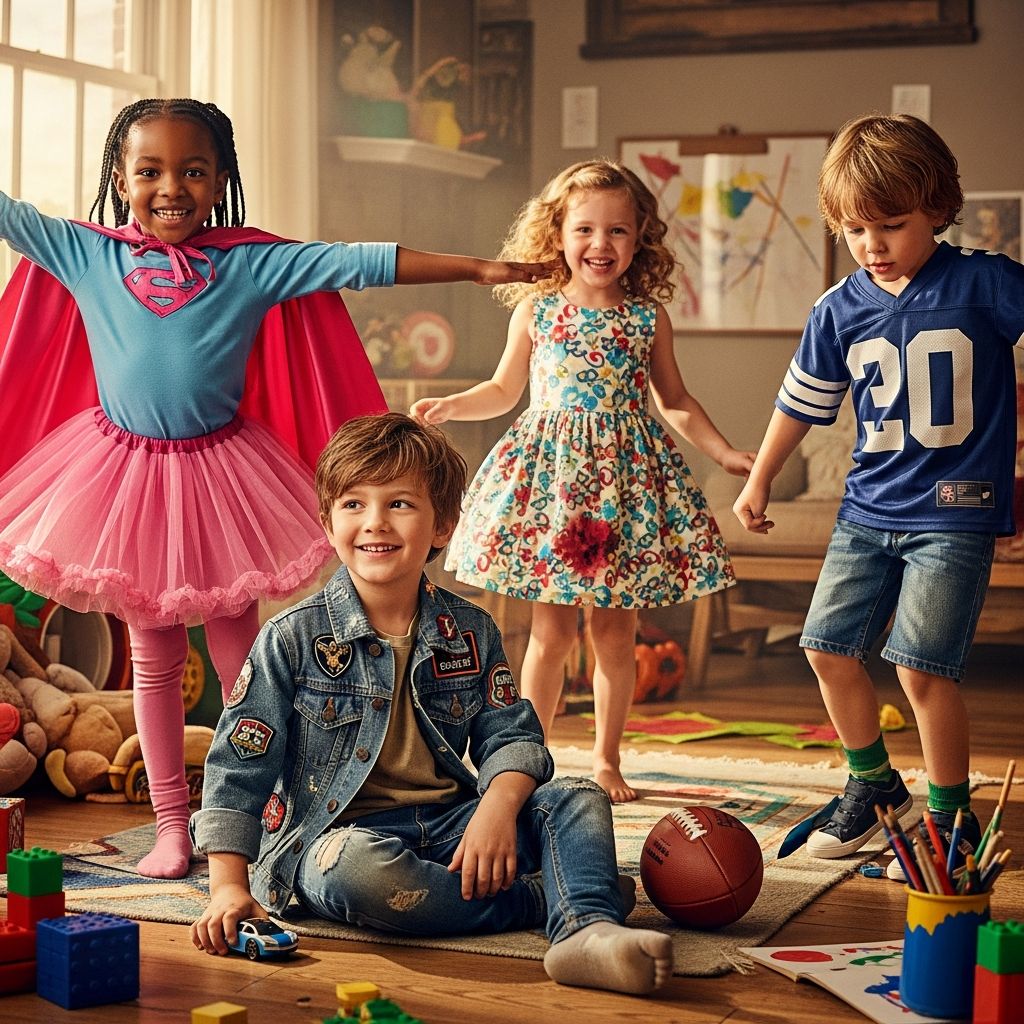
Many parents notice their children developing strong attachments to specific articles of clothing, often requesting to wear the same shirt, pants, or pajamas day after day. This behavior stems from a combination of sensory processing preferences, emotional comfort, and developmental routines that provide stability in a child’s world.
Understanding the Roots of Clothing Repetition in Children
Children’s insistence on repeating outfits frequently arises from innate needs for predictability and sensory familiarity. Fabrics that feel just right—soft, smooth, or snug—can become anchors in their daily experience, helping them navigate overwhelming environments. This pattern is particularly evident in young kids aged 2 to 7, when sensory integration and self-regulation skills are still maturing.
Research highlights how certain textures or fits reduce discomfort, allowing children to focus better on play or learning. For instance, a child might reject itchy seams or stiff collars outright, leading to a narrow selection of tolerable options. Over time, this evolves into a preferred “uniform” that minimizes sensory input disruptions.
Sensory Processing and Fabric Sensitivities
Sensory sensitivities play a pivotal role in why some children gravitate toward the same garments. The tactile feedback from clothing directly impacts their comfort levels; rough materials might trigger agitation, while seamless or stretchy ones offer relief. Children with heightened sensory awareness process these sensations more intensely, making familiar clothes a safe haven.
- Texture aversion: Seams, tags, or bumpy fabrics can feel like irritants, prompting removal or refusal.
- Pressure preferences: Snug fits provide deep pressure, mimicking a comforting hug that soothes nerves.
- Fit consistency: Loose or tight clothing unpredictably shifts, disrupting focus.
Parents often report meltdowns when forcing new outfits, as the unfamiliar sensations overload the child’s system. Studies on sensory challenges confirm that such preferences help regulate arousal levels, preventing escalation to distress.
Routines, Comfort, and Emotional Security
Beyond senses, clothing repetition ties into a child’s need for routine. Predictable outfits signal control in an otherwise chaotic day, reducing anxiety about transitions like school or outings. This mirrors broader repetitive behaviors where sameness fosters security.
For many, the emotional bond with a garment amplifies its appeal—a favorite tee might evoke positive memories from playtime or praise. Disrupting this can spark resistance, as the child associates change with loss of comfort. Developmental experts note this peaks during preschool years, aligning with identity formation.
Links to Neurodiversity and Repetitive Patterns
In children on the autism spectrum, clothing fixation often intertwines with repetitive and restricted behaviors (RRBs), a core diagnostic feature. RRBs include actions like hand-flapping or object lining, extending to outfit obsessions for self-soothing. These aren’t mere quirks but tools for emotional regulation amid sensory overload.
Autistic self-advocates emphasize that such repetitions, including clothing choices, aid in calming or expressing needs, especially for nonverbal kids. Tantrums over textures aren’t defiance but communication of overwhelm. Research shows RRBs correlate with social and communication hurdles, underscoring their functional role.
| Behavior Type | Description | Clothing Connection |
|---|---|---|
| Stimming | Repetitive movements like rocking | Seeking snug clothes for added pressure |
| Hyperfixation | Intense focus on items | Obsessing over one outfit exclusively |
| Routine Rigidity | Resistance to change | Insisting on daily wear of favorites |
Everyday Strategies for Supportive Parenting
Navigating a child’s clothing preferences requires patience and creativity. Start by observing triggers: note which fabrics elicit smiles versus frowns. Gradually introduce alternatives with similar traits to expand options without confrontation.
- Stock multiples of favorites to rotate discreetly.
- Pre-wash new clothes multiple times to soften textures.
- Use sensory-friendly brands with tagless designs and seamless construction.
- Involve the child in choices to build tolerance.
For school or events, layering familiar items under required attire bridges the gap. Positive reinforcement, like praise for trying something new, encourages flexibility over time.
When Repetition Signals Deeper Concerns
While common, extreme fixation warrants attention if it interferes with hygiene, social life, or escalates to self-harm like chewing clothes—a potential anxiety marker. Persistent chewing past preschool age, alongside tantrums or withdrawal, may indicate emotional regulation needs.
Consult pediatricians or occupational therapists for sensory integration therapy, which customizes interventions like weighted vests or brushing protocols. Compression garments, though marketed for calming, show mixed results in studies; one trial with autistic children found no significant reduction in off-task behaviors or repetitions during therapy.
Building Flexibility Through Play and Exposure
Desensitization via play helps: set up “texture treasure hunts” with fabrics in fun settings. Art projects involving clothing scraps normalize variety. Track progress in a shared chart to celebrate small wins, fostering independence.
Long-term, these efforts cultivate resilience. As executive function matures, children naturally diversify preferences, but early support prevents entrenched habits.
Frequently Asked Questions
Why does my child only want one pair of pajamas?
This stems from the fabric’s comforting feel and routine association, providing security before bed. Duplicates or similar soft alternatives can ease transitions.
Is clothing obsession a sign of autism?
It can be, as part of RRBs, but occurs in neurotypical kids too due to sensory or comfort needs. Professional evaluation clarifies if broader patterns exist.
How can I get my kid to try new clothes?
Introduce gradually during low-stress times, pair with favorites, and use positive incentives. Sensory tools like deep pressure aids support the process.
Does compression clothing help with outfit fixations?
Evidence is limited; a study of nine autistic children showed no impact on repetitive behaviors or focus during sessions, suggesting individual trials.
What if refusal leads to school absences?
Collaborate with educators for accommodations like PE uniforms or sensory breaks. Therapy addresses root sensory issues.
Long-Term Outlook and Parental Mindset
Embracing these quirks as valid needs shifts parenting from frustration to empowerment. Track patterns in a journal to predict flare-ups and successes. Connect with communities for shared tips—many parents find solidarity in online forums.
Ultimately, prioritizing comfort builds trust, paving the way for broader adaptability. As children grow, their world expands, but honoring early preferences lays a foundation of security.
References
- The effect of compression on repetitive behaviors and task participation in children with autism spectrum disorder — NIH/PMC. 2023-12-01. https://pmc.ncbi.nlm.nih.gov/articles/PMC10756671/
- Understanding Clothing Challenges in Children with Autism — June Adaptive. 2023-01-15. https://www.juneadaptive.com/blogs/our-community/understanding-clothing-challenges-in-children-with-autism-unpacking-sensory-issues-and-parental-struggles
- What Are Repetitive Behaviors in Autism? — SPARK for Autism. 2022-05-10. https://sparkforautism.org/discover_article/repetitive-behaviors-autism/
- Repetitive Motions and Obsessive Interests in Autism — Kennedy Krieger Institute. 2021-11-20. https://www.kennedykrieger.org/stories/interactive-autism-network-ian/repetitive_motions_and_obsessions
- Is Chewing on Clothes a Sign of Anxiety in Children? — Emora Health. 2024-03-05. https://www.emorahealth.com/resources/is-chewing-clothes-a-sign-of-anxiety-in-children-heres-what-parents-should-know
- Understanding and Managing Tantrums Over Clothing Textures — Pinnacle Blooms. 2023-08-12. https://www.pinnacleblooms.org/b/understanding-managing-tantrums-over-clothing-textures