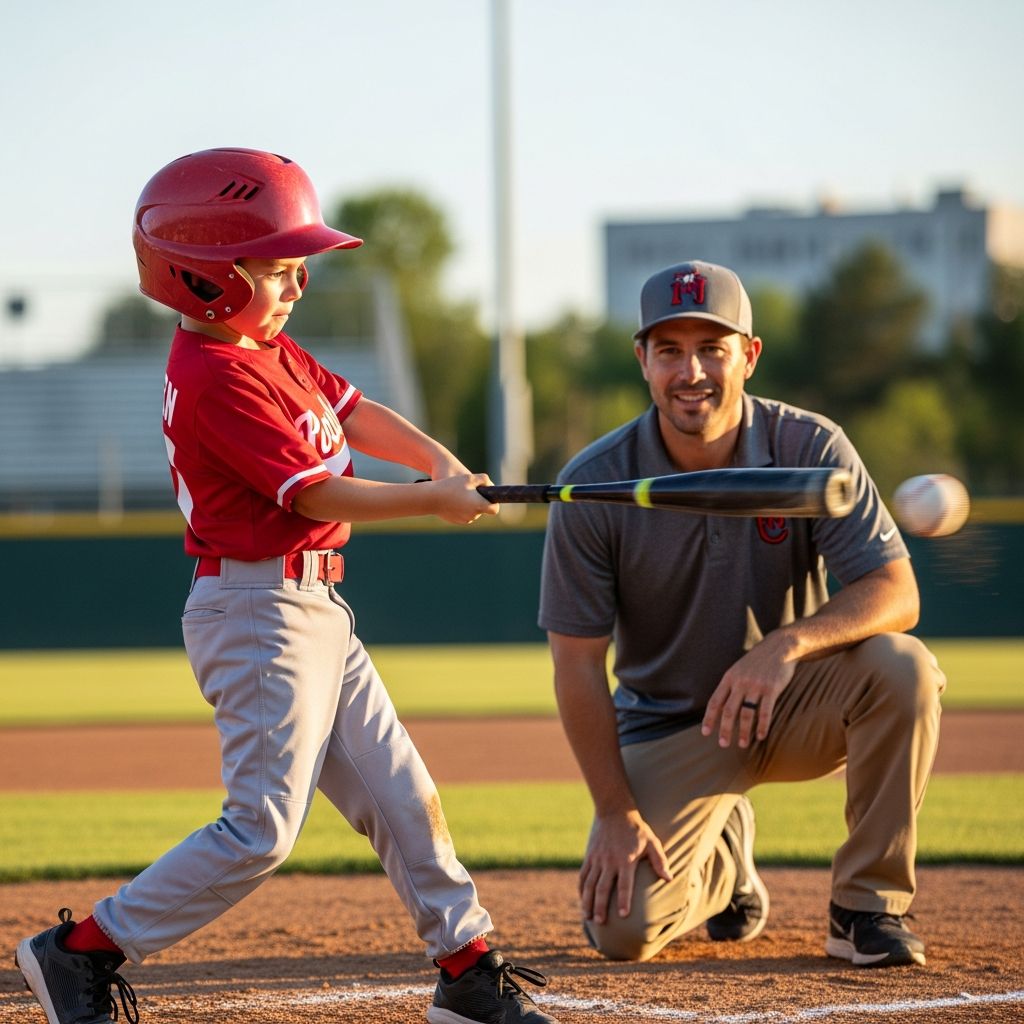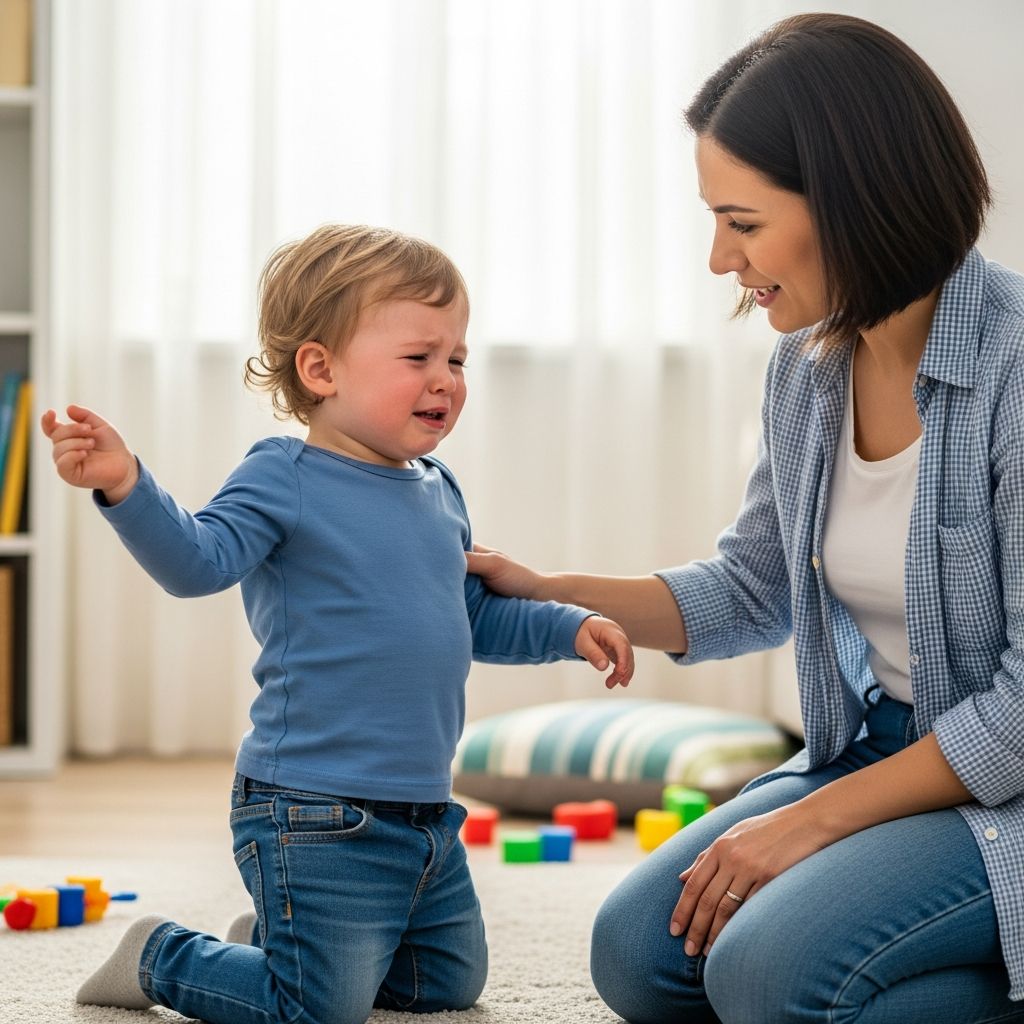
Children occasionally mimicking or teasing their parents can seem like innocent play, but when it escalates into disrespectful mockery, it signals deeper issues in family dynamics. This behavior often undermines parental authority and can lead to long-term emotional challenges for both kids and parents. Understanding the root causes—ranging from learned habits to emotional dysregulation—and implementing targeted strategies can transform these interactions into opportunities for growth and mutual respect.
Understanding the Roots of Mocking Behavior in Kids
Mocking behavior in children toward parents frequently stems from mimicking observed actions within the home environment. Youngsters, especially during their formative years, absorb and replicate interactions they witness daily. If sarcasm or belittling comments are part of family conversations, children may view this as normal communication, repeating it without realizing the impact.
Developmental stages play a crucial role too. Toddlers and preschoolers test boundaries through imitation as a form of play, while school-aged children and teens might use mockery to assert independence or cope with frustration. Research highlights that such actions can arise from a child’s attempt to gain attention or power in situations where they feel powerless.
- Imitation of adult models: Kids mirror parental tone, gestures, or phrases, turning them into exaggerated parodies.
- Boundary testing: Repeated mocking serves as a probe to see how much parents will tolerate.
- Emotional outlet: Frustrated children may lash out through ridicule when direct expression fails.
Importantly, this isn’t always malicious. In playful family settings, light teasing fosters bonding, but the line blurs when it persists despite corrections or targets vulnerabilities.
The Psychological Toll: Linking Mockery to Dysregulated Anger
While parents might dismiss mocking as harmless, emerging studies reveal its profound effects on child development. Derisive interactions at home—whether from parents or children—foster dysregulated anger, a state where emotions spiral into aggression or hostility without proper control.
A longitudinal study tracking 1,409 adolescents aged 13-15 over three years found that children experiencing belittling parenting styles developed heightened anger issues, increasing their vulnerability to both bullying others and becoming victims. This cycle begins at home: mockery begets resentment, which spills into peer relationships.
| Impact Area | Short-Term Effects | Long-Term Risks |
|---|---|---|
| Emotional Regulation | Repressed frustration, low self-esteem | Dysregulated anger, anxiety |
| Peer Interactions | Bullying or victimization | Poor social adjustment, isolation |
| Family Bonds | Eroded trust, communication breakdown | Conflicted adult relationships |
Experts note that constant criticism or sarcasm from authority figures shatters a child’s confidence, making them hesitant to seek help and more prone to enduring peer abuse silently. Conversely, when children mock parents, it mirrors this dynamic, teaching them that ridicule is an acceptable conflict resolution tool.
Spotting the Warning Signs in Your Family
Not all teasing crosses into problematic territory, but certain patterns warrant attention. Persistent eye-rolling, exaggerated imitations of parental speech, or laughter at instructions signal disrespect. These often intensify during transitions like mealtimes, homework sessions, or when parents enforce rules.
- Frequency: Occasional fun vs. daily habit.
- Context: Playful sibling banter vs. direct challenge to authority.
- Response: Child stops when asked vs. escalates with defiance.
Parental reactions matter equally. Laughing it off might reinforce the behavior, while explosive anger models poor emotional control. Observing these cues helps parents intervene early, preventing escalation into habitual rudeness.
Effective Strategies to Curb Mocking and Rebuild Respect
Addressing mockery requires calm, consistent action rather than emotional retaliation. Start by setting clear expectations: explain that while light teasing is okay among equals, directing it at parents disrespects their role.
- Immediate Correction: Calmly state, “That tone isn’t acceptable. Apologize and rephrase respectfully.” Follow through without negotiation.
- Consequences with Purpose: Link losses to the behavior, like pausing screen time until an apology and plan for improvement are given. This teaches accountability.
- Model Positive Communication: Replace sarcasm with direct, kind language to demonstrate desired interactions.
For teens, where dysregulated anger peaks, incorporate emotional check-ins. Ask open questions like “What frustrated you today?” to uncover triggers, reducing the need for mocking as an outlet.
Building Emotional Intelligence to Prevent Future Issues
Long-term prevention hinges on nurturing emotional intelligence (EI). Children with strong EI recognize their feelings, manage anger constructively, and empathize with others—directly countering mockery’s roots.
Daily practices include:
- Family meetings to discuss feelings without judgment.
- Role-playing scenarios to practice respectful responses.
- Reading books or watching media that highlight empathy and consequences of ridicule.
Research supports EI training’s efficacy in reducing aggression; programs emphasizing these skills lower bullying incidents by up to 25% in schools. At home, consistent reinforcement creates a ripple effect, improving peer dynamics too.
The Role of Parents: Avoiding Derisive Patterns Yourself
Parents must self-reflect: unintentional sarcasm or put-downs can perpetuate the cycle. Studies show derisive parenting—using humiliation for compliance—uniquely predicts peer problems, independent of other factors like strictness or warmth.
Audit your language: phrases like “Can’t you do anything right?” erode trust. Shift to specifics: “Please pick up your toys now.” This fosters security, encouraging open dialogue over defensive mockery.
“Parents must be reminded of their influence on adolescents’ emotions and should take steps to ensure that adolescents do not feel ridiculed at home.” – Daniel J. Dickson, PhD
Navigating Mockery in Blended or High-Stress Families
In blended families or during stressful periods like divorce, mocking intensifies as children process loyalty conflicts or anxiety. Avoid criticizing co-parents, as this models division and harms kids’ psyche.
Strategies include neutral ground rules and professional counseling for entrenched patterns. Consistency across caregivers prevents mixed signals that embolden disrespectful habits.
Frequently Asked Questions (FAQs)
Why do children mock their parents?
Children often mock parents to test boundaries, imitate observed behaviors, or express frustration indirectly. It’s a developmental way to seek attention or independence, but unchecked, it undermines family respect.
Is all teasing harmful?
No, playful teasing among siblings or in fun contexts builds resilience. Harm arises when it’s one-sided, persistent, or used to belittle authority figures, leading to emotional dysregulation.
How does parental mocking affect kids?
Derisive parenting fosters dysregulated anger, raising risks for bullying and victimization. A study of 1,409 teens showed this unique link persists beyond other parenting styles.
What if consequences don’t work?
Combine consequences with positive reinforcement and EI discussions. If issues persist, consult a family therapist to address underlying anger or trauma.
Can mocking lead to bigger problems?
Yes, it correlates with peer difficulties, low self-esteem, and long-term mental health issues like anxiety or aggression in relationships.
Conclusion: Fostering a Home of Mutual Respect
Transforming mocking behavior into respectful dialogue demands vigilance, patience, and modeling. By addressing it promptly with empathy-driven strategies, parents not only reclaim authority but also equip children with tools for healthy relationships. The investment yields confident, emotionally balanced kids ready to thrive.
Word count: 1678 (excluding metadata and references)
References
- Kids Mocked By Parents At Higher Risk Of Bullying, Says Study — Netmeds.com. 2019. https://www.netmeds.com/c/health-library/post/kids-mocked-by-parents-at-higher-risk-of-bullying-says-study
- Kids Mocked by Parents at Higher Risk of Bullying, Says Study — MedIndia.net. 2019. https://www.medindia.net/news/kids-mocked-by-parents-at-higher-risk-of-bullying-says-study-188823-1.htm
- Teens ‘Mocked’ by Their Parents Are at Greater Risk for Bullying — Social Work Today. 2019-07-31. https://www.socialworktoday.com/news/dn_073119.shtml
- Teens ‘Mocked’ by Parents at Greater Risk for Bullying, Victimization — Florida Atlantic University (FAU.edu). 2019. https://www.fau.edu/newsdesk/articles/derisive-parenting.php
- Kids Who Mock, Imitate, and Make Fun of Parents — Empowering Parents. N/A. https://www.empoweringparents.com/article/kids-who-mock-imitate-and-make-fun-of-parents/