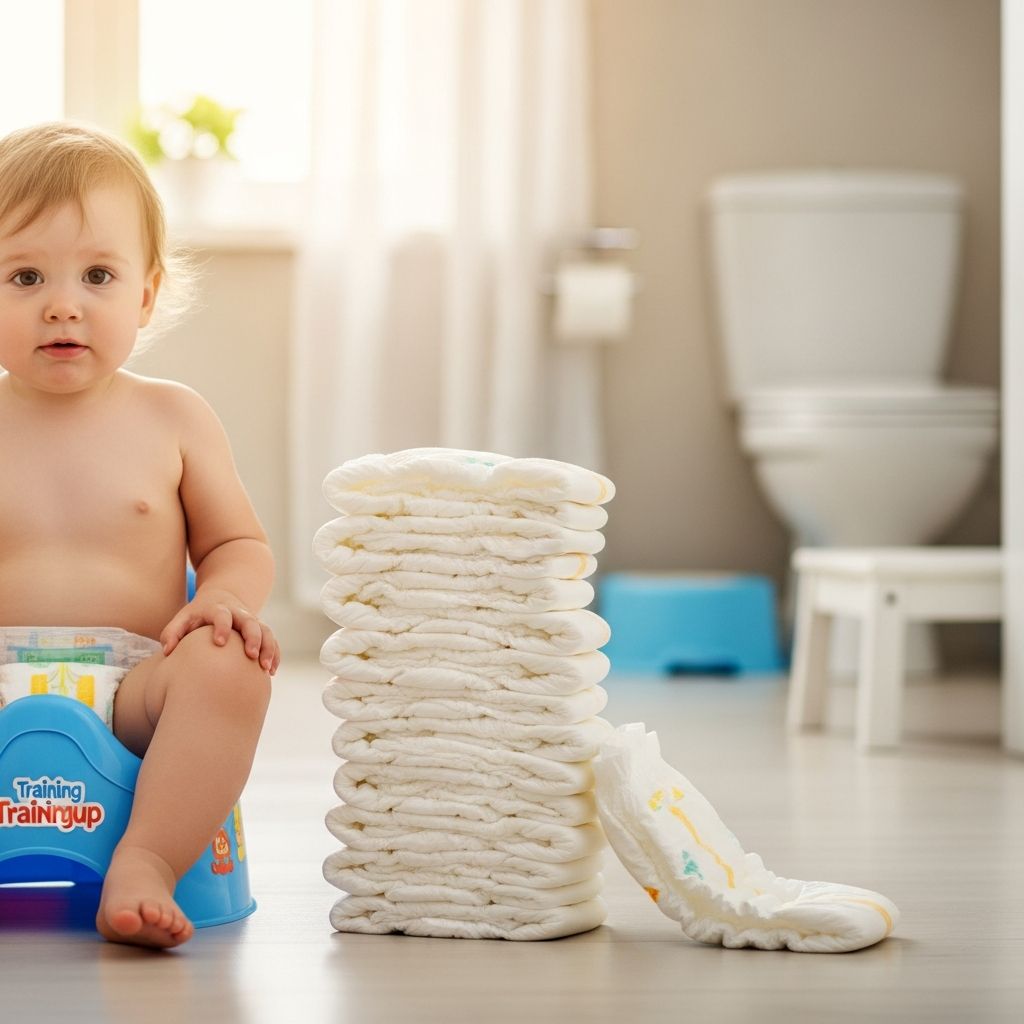
Understanding Why Children Cling to Diapers
Many parents encounter a perplexing situation during the toilet training journey: their child demonstrates readiness signals yet adamantly refuses to abandon diapers. This apparent contradiction frustrates caregivers who anticipate smooth transitions once their child reaches developmental milestones. The reality is far more nuanced. When children express a strong preference for continuing diaper use, they are communicating legitimate concerns that warrant investigation rather than dismissal.
The psychological attachment to diapers runs deeper than simple habit formation. Diapers represent safety, predictability, and familiarity to young children. They have known only diapers throughout their cognitive development and associate this familiar sensation with comfort and security. The diaper absorbs waste discreetly and contains any accidents without drawing attention—a feature that becomes particularly valuable when a child feels vulnerable or uncertain about bodily control.
Children who insist on maintaining diaper use frequently experience underlying anxiety about the toilet itself. The toilet is significantly larger than the child, produces unexpected sounds when flushing, and creates a physical sensation of instability. Some children fear falling into the toilet or worry about their waste disappearing into an unknown place. Others experience genuine distress about the loss of control that occurs during elimination. These are not trivial concerns from a child’s perspective and deserve respectful acknowledgment.
Recognizing the Signs of Diaper Preference During Training
Parents benefit from identifying specific behavioral indicators that suggest their child prefers diapers and may be experiencing resistance to toilet training progression. Distinguishing between normal developmental delays and genuine anxiety-based resistance helps caregivers select appropriate intervention strategies.
Key behavioral indicators include the following:
- Explicit requests for a diaper or pull-up, especially at specific times of day
- Consistent refusal to sit on the toilet seat or potty chair without significant resistance
- Regression to previous toileting accidents after periods of success
- Physical tension or distress symptoms during bathroom time, such as crying or complaining of discomfort
- Creative avoidance tactics, including hiding, delaying, or making excuses to postpone toilet use
- Successful elimination only when wearing a diaper, despite physical capability otherwise
- Anxiety symptoms that intensify specifically around bathroom routines
When multiple indicators appear simultaneously, the child is likely experiencing genuine anxiety rather than simple stubbornness. This distinction fundamentally shapes the most effective parental response.
The Power Dynamics in Toilet Training Negotiations
Toilet training inadvertently creates a unique power dynamic between parent and child. Unlike most developmental tasks where parents retain clear authority, bathroom habits involve bodily functions that only the child can control. A parent cannot force elimination; they can only create conditions and opportunities. Children intuitively recognize this fundamental truth, and when they feel pressured or overly controlled, they often assert the one area where they hold absolute power—their body.
When parents respond to diaper requests with frustration or repeated pressure, children dig deeper into their position. Reminding a child to use the toilet, asking if they need to go, or expressing disappointment when accidents occur all communicate pressure. Young children experience this pressure as a threat to their autonomy. Their response is predictable: increased resistance and a strengthened commitment to diapers as an assertion of personal control.
Breaking this cycle requires parents to deliberately step back from the power struggle. This doesn’t mean abandoning toilet training expectations; rather, it means eliminating the daily negotiations and pressure that intensify resistance. When parents stop reminding, stop asking, and stop reacting emotionally to setbacks, they simultaneously remove the fuel that perpetuates the child’s counterresistance.
Environmental Modifications That Support Transition
The physical bathroom environment significantly influences a child’s willingness to engage with toilet training. Children who prefer diapers often have legitimate concerns about the standard toilet setup. Modifying this environment demonstrates respect for these concerns while gradually building comfort.
Critical environmental adjustments include:
- Child-sized equipment: Invest in a properly scaled potty chair or toilet seat reducer that prevents the child from feeling unstable or oversized. A sturdy step stool enables independent hand-washing and reinforces the child’s capability.
- Visual accessibility: Allow the child to observe the bathroom process without pressure. Some children benefit from watching parents or siblings use the toilet to demystify the experience and recognize it as a normal activity.
- Sound management: Address flush anxiety by using quieter models, allowing the child to control flushing, or temporarily covering the flush mechanism during initial adjustment periods.
- Comfort features: Provide soft lighting, accessible reading materials, and a calm atmosphere that eliminates urgency or performance pressure.
- Hygiene accessibility: Arrange soap, towels, and hand-washing supplies at child height so the child can independently complete bathroom routines.
These modifications communicate that the parent takes the child’s concerns seriously and has created a genuinely safe space for toilet use.
Establishing Boundaries Without Pressure
Paradoxically, reducing pressure sometimes involves establishing clearer boundaries. The distinction lies in how these boundaries are communicated and enforced. Effective boundaries are stated matter-of-factly, without emotion or repeated reminders, and are presented as household rules rather than personal demands from the parent.
Rather than saying “It’s time to use the potty,” a parent might establish: “We use the potty before meals” or “We use the potty before getting in the car.” This language frames toilet use as a family norm or a logical consequence, not as a parental whim. When stated consistently and without variation, these rules gradually become absorbed as standard expectations rather than battles to be fought.
Enforcement focuses on maintaining the boundary while respecting the child’s body autonomy. If a mealtime rule exists, the child may use the potty before eating or wait until after the meal concludes. Either choice carries consequences or benefits that naturally align with the decision—the child eats warm food if they use the potty first, or they eat cold food if they skip this step. The parent is not punishing; the natural order of events is simply unfolding.
This approach gradually teaches children that certain rules are non-negotiable while preserving their sense of control over their own body.
Reframing Motivation and Rewards
Children who insist on diaper use benefit from motivation systems that address their specific concerns rather than generic reward charts. Understanding what genuinely motivates an individual child—whether that’s special one-on-one time, a particular activity, or a tangible item—increases the effectiveness of any incentive system.
When implementing rewards, timing matters significantly. Immediate positive feedback following successful toilet use creates stronger behavioral association than delayed rewards. A parent’s enthusiastic acknowledgment right after success communicates genuine pleasure and pride, which many children find more motivating than stickers or treats.
However, external rewards should eventually diminish as internal motivation—the child’s own sense of accomplishment and growing confidence—becomes the primary driver. Overreliance on external rewards can inadvertently communicate that toilet use is an unpleasant task requiring compensation.
Some children benefit from understanding the practical advantages of toilet training: wearing specific underwear with favorite characters, choosing their own bathroom accessories, or gaining access to activities previously restricted to “big kids.” These intrinsic rewards connect to the child’s developing identity rather than to parental desires.
Educational Tools and Demystification Strategies
Children who cling to diapers often harbor misconceptions about bodily functions and toilet mechanics. Age-appropriate educational materials address these gaps directly.
Effective resources include:
- Picture books: Stories featuring characters navigating toilet training normalize the experience and provide relatable narratives. Hearing about characters who overcame similar fears reduces a child’s sense of isolation.
- Anatomical dolls: Dolls designed to demonstrate elimination processes provide concrete visualization that abstract discussions cannot achieve. Allowing the child to manipulate the doll’s clothing and demonstrate understanding builds confidence.
- Interactive demonstrations: Age-appropriate explanations of where waste goes and why toilets flush help children understand the logic rather than viewing toilets as mysterious or dangerous.
- Photo documentation: Some families create simple photo sequences showing the step-by-step process, which the child can review independently and at their own pace.
When children understand the mechanics and purpose behind toilet use, the process becomes less mysterious and frightening.
Addressing Physical Discomfort and Medical Factors
Children who persistently prefer diapers sometimes experience genuine physical discomfort when attempting toilet use. Constipation, which frequently accompanies toilet training resistance, can create a painful cycle: the child avoids the toilet due to painful experiences, constipation worsens due to holding, and the painful cycle intensifies.
Parents should consult pediatricians to rule out medical factors before attributing all resistance to behavioral or psychological causes. When constipation exists, addressing it through dietary modifications, increased hydration, and occasionally stool softening medications becomes essential. Once physical discomfort decreases, psychological resistance often diminishes as well.
Similarly, urinary tract concerns, skin sensitivities, or other medical conditions may justify diaper use temporarily while the underlying issue resolves. Respecting legitimate medical needs prevents the shame and power struggle that can complicate eventual training.
The Role of Family Consistency and Modeling
Children learn behavioral norms by observing family members and understanding that certain behaviors are simply “what we do.” When toilet use is presented as a normal, unremarkable part of daily life rather than as a goal to achieve or a performance to demonstrate, children gradually accept it as inevitable rather than optional.
Involving siblings or other family members who use the toilet comfortably provides powerful modeling. Unlike parent demonstrations, which can feel awkward or uncomfortable, watching an older sibling casually use the toilet communicates that this is simply normal adult and older-child behavior.
Family involvement extends to maintaining consistent expectations across all caregivers. When one parent allows diaper use during resistance while another insists on toilet use, the child naturally gravitates toward the permissive approach. Alignment among all caregivers strengthens the message that toilet use is a non-negotiable expectation, not a suggestion.
When to Pause and Reassess
Not every child progresses through toilet training on a standard timeline. Some children genuinely are not developmentally ready, despite appearing to have necessary skills. Others experience temporary regression due to life stress, illness, or major transitions.
Taking a deliberate pause in training—removing all expectations and diaper-related discussion for several weeks or months—sometimes resets a stuck situation. When the child recognizes that the parent has stopped the pressure campaign, their oppositional stance sometimes softens. Later, reintroduction of the opportunity in a completely low-pressure format may succeed where forceful persistence failed.
Parents should also recognize when their own stress and frustration have become counterproductive. A parent’s calm acceptance of the current situation often resolves more quickly than a parent’s determined efforts to force change.
Building Confidence Through Small Victories
Children who have resisted toilet training benefit from celebrating genuine progress, even when it seems minor. Using the bathroom fully clothed, sitting on the toilet with a diaper on, flushing while present, or washing hands afterward—each of these represents actual progress toward independence.
When success is defined broadly, the child accumulates more victories and builds confidence incrementally. This contrasts sharply with narrowly defining success as complete, accident-free toilet use, which can feel impossibly distant when a child is deeply resistant.
As confidence grows and fear diminishes, the child naturally progresses toward greater independence. This progression flows from the child’s changing internal state rather than from parental pressure.
Frequently Asked Questions
Q: Is it harmful to allow my resistant child to continue wearing diapers past the typical training age?
A: Continuing diaper use when a child genuinely prefers it is not inherently harmful. Medical research does not indicate developmental damage from extended diaper use. However, practical challenges—social situations, school attendance, clothing options—may eventually motivate the child to transition. The key is ensuring the child experiences genuine readiness rather than capitulating to pressure that has created entrenched resistance.
Q: How long should I wait before attempting toilet training again after a child has expressed resistance?
A: Waiting periods vary based on the intensity of resistance and the child’s age. Generally, pausing for three to six months allows enough time for the child to forget the associated conflict and power struggle. When training resumes, it should begin in a completely fresh way, as though starting for the first time.
Q: Should I use rewards or punishments for a child who insists on diapers?
A: Punishments typically intensify resistance and should be avoided. Rewards can be effective when they address the child’s genuine interests and are delivered immediately after success. However, the goal is transitioning from external rewards to internal motivation over time.
Q: What if my child has already started school and still prefers diapers?
A: School staff can provide valuable support by maintaining consistency with home expectations and reporting observations. Open communication with teachers helps ensure all adults are responding similarly. School-based peer influence sometimes motivates children when parental efforts have stalled.
Q: Is there a difference between a child who cannot control elimination and a child who refuses to try?
A: Yes, and this distinction guides appropriate intervention. A child who cannot control elimination may have developmental or medical factors requiring professional evaluation. A child who refuses to try despite capability typically needs pressure reduction and anxiety management rather than medical intervention.
References
- Toilet Training Resistance: Help For Parents — McKenzie Pediatrics. Available at https://www.mckenzie-pediatrics.com/shop/images/ToiletTrainingResistance.pdf
- How to Triumph Over Potty Training Resistance — Montessori Academy. Available at https://montessori-academy.com/blog/potty-training-resistance/
- Potty Training the Super-Resistant Kid — Alpha Mom. Available at https://alphamom.com/parenting/young-child/potty-training-the-super-resistant-kid/
- 3 Simple Rules to Stop Toddler Resistance to the Potty — Oh Crap Potty Training. Available at https://www.ohcrappottytrainingmetoyou.com/post/3-simple-rules-to-stop-toddler-resistance-to-the-potty