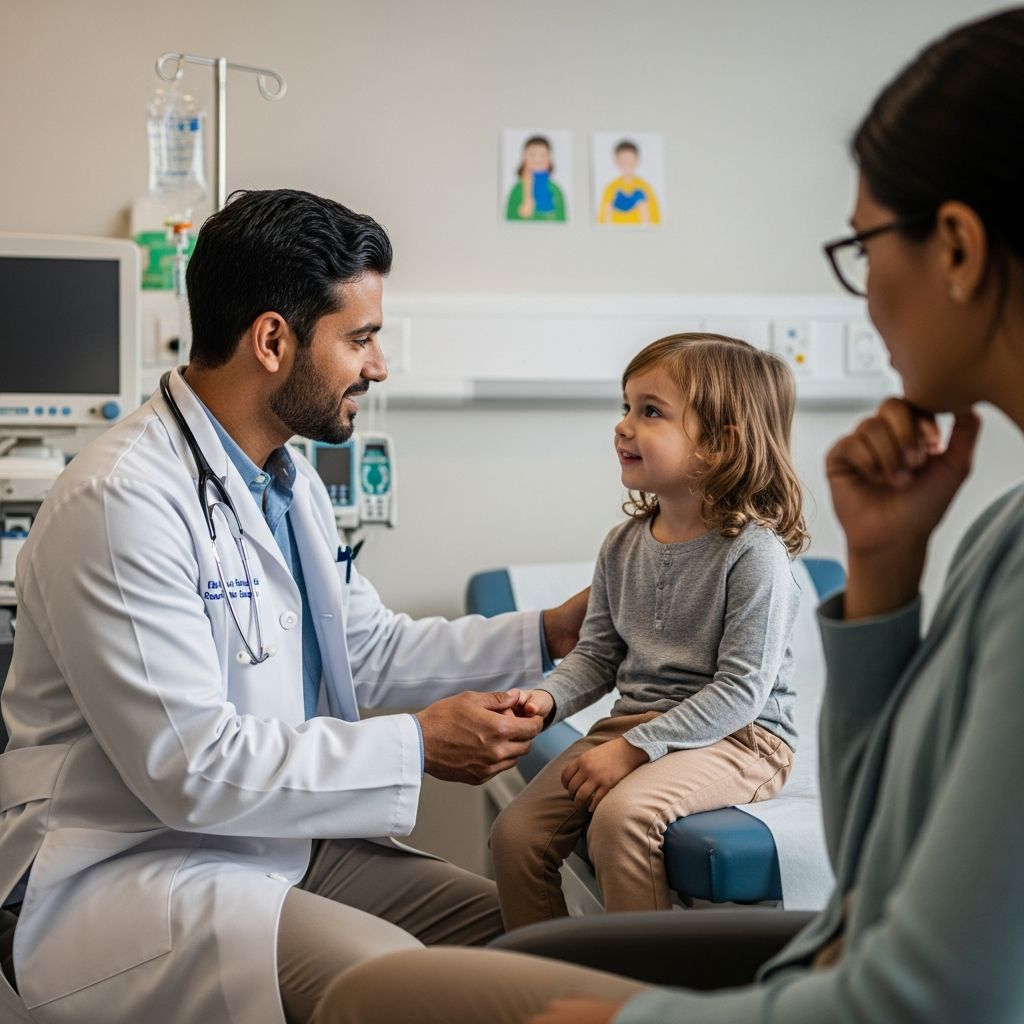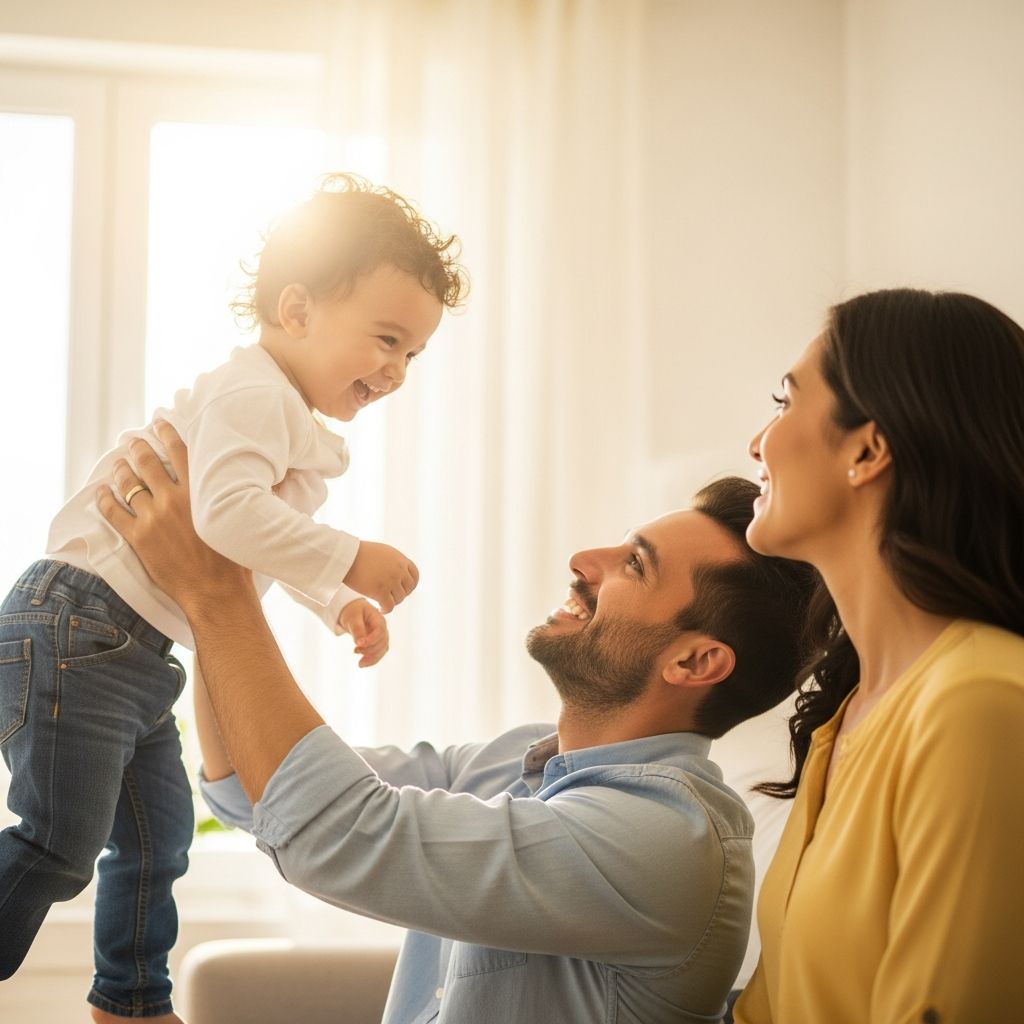
Recognition campaigns centered on motherhood, such as those declaring a ‘Year of the Mother,’ offer profound advantages not just for women navigating parenthood but also for fathers seeking deeper family connections. These initiatives encourage shared responsibilities, leading to stronger paternal engagement and overall family well-being.
The Synergy of Parental Recognition
When society spotlights the challenges and joys of motherhood, it inadvertently creates space for fathers to step into more active roles. Fathers who participate in such movements report heightened involvement from the earliest days, which research links to improved child outcomes. For instance, paternal presence during birth significantly lowers maternal anxiety, setting a positive tone for family dynamics.
This synergy arises because honoring moms validates the intensity of their experience, prompting dads to contribute more equitably. Studies show that babies with engaged fathers in their first year develop superior social skills and emotional resilience, independent of maternal efforts.
Fathers’ Crucial Role in Early Infant Development
In the whirlwind first year of a baby’s life, fathers provide unique contributions that complement maternal care. Active dads help infants build trust, reducing fears of abandonment and promoting secure attachments.
- Social Growth: Children with hands-on fathers exhibit faster social development and adeptness in interactions, extending into early childhood.
- Emotional Stability: Paternal involvement correlates with lower depression rates and better stress management in kids.
- Cognitive Gains: Involved fathers contribute to higher IQs and stronger performance in math and reading later on.
These benefits stem from fathers’ distinct play styles, emphasizing physical activity and exploration, which build resilience and risk assessment skills essential for milestones like walking.
Biological Transformations in New Fathers
Fatherhood triggers remarkable physiological changes, mirroring those in mothers, preparing men for attentive parenting. Hormone shifts during pregnancy and postpartum enhance bonding instincts, family orientation, and brain regions for threat detection and problem-solving.
Brain imaging confirms that both parents activate similar neural pathways when responding to infant cues, underscoring fathers’ innate readiness. This biological priming means campaigns celebrating moms align perfectly with dads’ evolving capacities, amplifying their natural inclinations toward care.
Unique Parenting Styles: Complementary Strengths
Mothers and fathers approach child-rearing differently, each style enriching development. While moms often prioritize nurturing and emotional processing via the amygdala, fathers engage the neocortex for rational guidance, language, and motor skills.
| Parenting Aspect | Maternal Style | Paternal Style | Child Benefit |
|---|---|---|---|
| Bonding Method | Affectionate care | Physical play & skills | Balanced emotional & physical growth |
| Brain Activation | Amygdala (emotions) | Neocortex (planning) | Resilience & problem-solving |
| Play Focus | Nurturing comfort | Exploration & risk | Independence & confidence |
These differences ensure comprehensive stimulation. Fathers’ rough-and-tumble play fosters healthy aggression regulation and self-esteem, outcomes enhanced when maternal efforts are recognized and supported.
Relief for Mothers, Empowerment for Fathers
Motherhood’s demands can overwhelm, leading to identity loss amid constant caregiving. Engaged fathers provide essential breaks, allowing moms self-care time—workouts, errands, or solitude—which rejuvenates them and strengthens partnerships.
This respite empowers dads, transforming them from supporters to co-leads. Research indicates involved fathers reduce child cognitive delays, tantrums, and behavioral issues, even lowering adolescent delinquency risks.
Long-Term Family and Child Advantages
Initiatives honoring moms indirectly boost paternal commitment, yielding lasting gains. Children of active dads show better school readiness, fewer emotional struggles, and robust identities.
Fathers model healthy relationships, influence language development, and teach object associations during key months (10-12), per CDC guidelines. A father’s well-being directly enhances his parenting quality, creating a virtuous cycle.
Overcoming Initial Preferences for Mom
Newborns often favor moms due to prenatal familiarity—heartbeat, warmth, constant presence—but dads bridge this gap through consistent engagement. Over time, as in year 1 transitions, preferences balance, with dads gaining equal affection.
Encouraging dad-baby alone time builds these bonds, vital for mutual benefits in recognition-focused movements.
Practical Steps for Dads to Thrive
- Embrace Early Involvement: Attend births, hold skin-to-skin, and share feeds to kickstart bonds.
- Alternate Caregiving: Take solo shifts for mom’s rest, fostering your unique connection.
- Play Actively: Use physical games to develop motor skills and confidence.
- Self-Care: Maintain health to be a present, positive role model.
- Communicate: Discuss needs openly to balance loads equitably.
Frequently Asked Questions
Why do babies initially prefer moms?
Babies favor moms from womb familiarity—sounds, temperature, proximity—but consistent dad interaction equalizes bonds within months.
How does dad involvement affect child IQ?
Early paternal engagement boosts IQ and academic skills in math/reading, per developmental studies.
Do fathers change biologically for parenting?
Yes, hormones shift and brains rewire for bonding, threat response, and planning, similar to moms.
Can dad play reduce child aggression?
Fathers’ physical play teaches healthy risk-taking and emotion regulation, curbing behavioral issues.
How to support mom’s self-time?
Schedule solo dad-baby outings for her recharge, preserving her identity beyond motherhood.
Building a Balanced Family Legacy
Campaigns like the Year of the Mother illuminate motherhood’s demands while inviting fathers to elevate their roles. This partnership yields resilient kids, revitalized moms, and fulfilled dads. Research affirms: dual active parenting maximizes outcomes, from infancy to adolescence.
Families thrive when both parents are celebrated and empowered. Dads, lean in—these movements are your ally too.
References
- Why Fathers Are Important for The First Year of Baby’s Development — Good Dads. 2023. https://gooddads.com/why-fathers-are-important-for-the-first-year-of-the-babys-development/
- The science of how fatherhood transforms you — Today’s Parent. 2023. https://www.todaysparent.com/family/parenting/the-science-of-how-fatherhood-transforms-you/
- 7 Reasons Dads Are Incredibly Awesome — Her View From Home. 2023. https://herviewfromhome.com/7-reasons-dads-are-incredibly-awesome/
- How dads and mums parent differently – and why it works — Fathers Network. 2023. https://www.fathersnetwork.org.uk/how_dads_bond_with_their_baby
- Why Babies Prefer Moms Over Dads — Birth Boot Camp. 2023. https://birthbootcamp.com/why-babies-prefer-moms-over-dads/