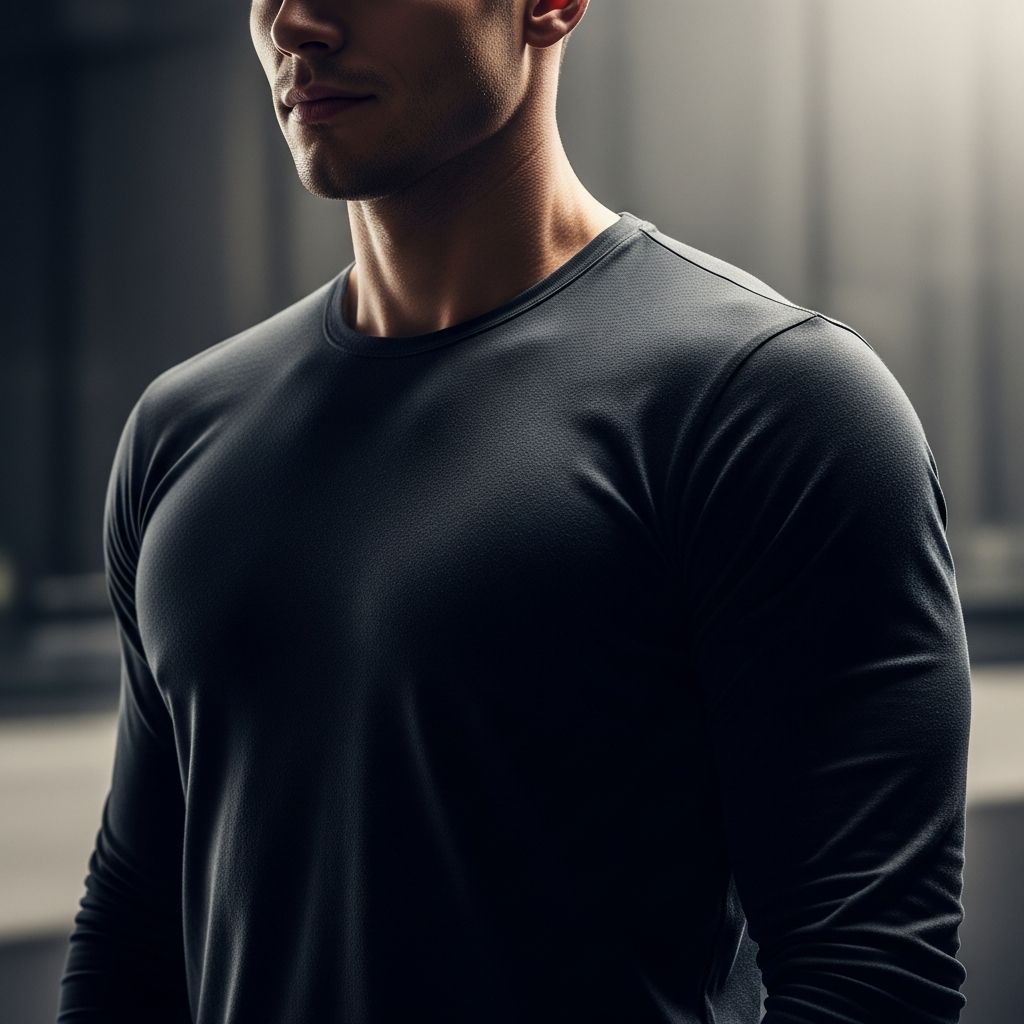
Broad male shoulders have long been a quiet obsession in culture, art, and everyday attraction. From movie heroes to athletes, that V-tapered upper body still signals strength, capability, and presence in a way few other features can match. This article explores why wide shoulders are so compelling, what science says about them, and how to build them in a healthy, sustainable way—without turning your life into an ego-driven quest for size.
The Many Meanings of Broad Shoulders
On the surface, broad shoulders are just a measurement problem: the distance across your clavicles relative to your waist and hips. But emotionally and socially, they mean much more. They shape how a man fills a doorway, how clothes hang on his frame, and even how confident he feels walking into a room.
When people say someone can “shoulder responsibility,” they are using a metaphor rooted in the body. Wide, solid shoulders suggest someone who can carry weight—literal and emotional. That impression matters in friendships, work, and romantic life.
Evolutionary Roots: Why Shoulders Signal Strength
From an evolutionary perspective, upper body strength has always mattered for survival. A robust upper body helped our ancestors hunt, climb, carry, fight, and protect. As a result, the human brain still treats signs of upper body power—like broad shoulders—as cues of capability and formidability.
Researchers studying body shape often focus on the shoulder-to-hip ratio (SHR): the width of the shoulders relative to the width of the hips. In men, a higher SHR (wider shoulders, relatively narrower hips) is strongly associated with perceived attractiveness and strength in both male and female observers. Studies using digital avatars with different shoulder widths consistently find that figures with larger upper bodies are rated more attractive and more imposing than narrower-bodied figures.
Shoulder-to-Hip Ratio: The Silent Metric
Unlike weight or height, no one asks directly about shoulder-to-hip ratio, yet it quietly shapes first impressions. A man with broader shoulders and a comparatively trim midsection tends to appear more athletic, even if he rarely steps into a gym.
In research settings, participants judging male bodies often rely heavily on visual cues of upper body size when rating attractiveness. When scientists compare different factors—like apparent strength, height, and leanness—perceived upper body strength usually explains the majority of the difference in how attractive a male body looks to women. Height and low body fat help, but they work largely because they support the same impression of power and health.
Key visual cues of a strong upper body
- Noticeably wider shoulders than hips
- Defined deltoids (rounded shoulder muscles)
- A back that tapers from broad at the top to narrower at the waist
- Arms that appear strong but not necessarily huge
- Good posture, with the chest open instead of caved in
Broad Shoulders and Perceived Masculinity
Masculinity is more than muscles, but body shape strongly colors how masculine a man appears. Broad shoulders amplify features already associated with traditional masculinity: assertiveness, protectiveness, and physical competence. That does not mean a man must be huge to be masculine; rather, cues of proportional strength are what people often respond to.
Interestingly, some studies suggest that while women do not always prefer the most exaggeratedly masculine faces, they almost never choose clearly weak-looking male bodies. A frame that looks capable—even if not massive—tends to outrank a frame that appears frail. Broad shoulders often tip the scale in favor of “capable.”
Confidence, Posture, and Body Language
Broad shoulders don’t just sit there; they change how a man moves. Strong upper back and shoulder muscles naturally encourage better posture. When the musculature is balanced, the shoulders tend to pull slightly backward, the chest opens, and the head sits more comfortably over the spine.
This matters because posture is one of the first nonverbal signals others read. Upright posture suggests confidence and energy, while slumped shoulders project stress, fatigue, or insecurity. A man who has built his shoulders often experiences a feedback loop: he looks stronger, feels more grounded, and behaves more confidently, reinforcing the positive impression others receive.
Style: Why Clothes Love Broad Shoulders
Most fashion for men is designed with a subtle V-shape in mind. Shirts, blazers, and coats assume the shoulders are slightly wider than the waist. When that proportion is present, clothes drape more cleanly, seams align better, and the entire silhouette appears sharper and more deliberate.
Even minimal muscle gain in the shoulders and upper back can transform how everyday items fit. A simple T-shirt looks more intentional when it traces the deltoids instead of hanging straight down. Jackets feel less boxy and more tailored. That visual improvement often arrives long before dramatic strength gains, making shoulder-focused training one of the highest “style returns” in the gym.
Simple style wins for broader shoulders
- Well-fitted crew-neck or Henley shirts highlight upper body width.
- Structured blazers with subtle shoulder padding sharpen the silhouette.
- Raglan sleeves emphasize the transition from neck to shoulder.
- Avoid overly baggy tops that hide shape and make the torso look boxy.
Health, Not Just Vanity
It is easy to reduce broad shoulders to vanity, but strong shoulders support everyday function and long-term joint health. Healthy shoulders protect the neck, stabilize the upper back, and make routine tasks—lifting kids, carrying groceries, moving furniture—safer and easier.
Plus, training for upper body strength often encourages a broader commitment to movement, sleep, and nutrition. Many people discover that caring about how their shoulders look nudges them into habits that make their heart, bones, and brain healthier too.
Building Broader Shoulders Safely
Genetics set a base frame—bone length and natural width—but almost everyone can improve their shoulder presence with strength training and posture work. The focus should be on developing the deltoids, upper back, and surrounding muscles in a balanced way to avoid injury.
For most men, the winning combination is progressive strength training, attention to form, and consistency over months, not shortcuts or extreme programs. The goal is not to become a cartoon character, but to create a resilient, athletic upper body that looks and feels powerful.
Foundational exercises for broader shoulders
- Overhead presses: Strengthen the front and middle deltoids, triceps, and upper back stabilizers.
- Lateral raises: Emphasize the side delts, which widen the silhouette.
- Face pulls: Support rear delts and upper back, crucial for posture.
- Pull-ups or lat pulldowns: Build the V-shape by developing the upper back and lats.
- Rows (barbell or dumbbell): Strengthen the mid-back for balanced shoulder health.
Sample Weekly Shoulder-Focused Plan
This is a simple, illustrative structure—not a personalized prescription. Anyone with existing injuries or health conditions should consult a qualified professional before starting a new routine.
| Day | Focus | Key Movements |
|---|---|---|
| Day 1 | Push & Shoulders | Overhead press, incline push-ups or bench, lateral raises |
| Day 2 | Pull & Back | Pull-ups or pulldowns, barbell rows, face pulls |
| Day 3 | Legs & Core | Squats or split squats, hip hinges, planks |
| Day 4 | Active Recovery | Light mobility, walking, shoulder rotation drills |
Avoiding Common Training Mistakes
Chasing broader shoulders can push some men into bad habits: ego lifting, neglecting other muscle groups, or copying advanced routines that are inappropriate for their level. The result is often frustration, joint pain, or uneven development that looks awkward instead of impressive.
Balanced programming, modest progression, and rest are crucial. Remember that muscles develop during recovery, not during the workout itself. Strong shoulders emerge from many small, steady efforts, not heroic single sessions.
Typical pitfalls to watch out for
- Training shoulders hard but ignoring the upper back, leading to rounded posture.
- Doing only isolation work (like lateral raises) without heavy compound lifts.
- Skipping warm-ups and rotational movements that protect the shoulder joint.
- Jumping into heavy overhead lifts without first mastering lighter loads and form.
The Mental Side: Identity and Body Image
For many men, changing their shoulders changes how they see themselves. Going from narrow and slumped to wider and upright can feel like stepping into a new identity: someone more assertive, more reliable, more visible. That shift can be empowering when it is connected to deeper values like health, resilience, and service to others.
The danger comes when shoulders become the only measure of worth. No physique trait—shoulders, abs, height—should hold that much power. Broad shoulders are a tool, not a personality. They can support self-respect, but they cannot replace character, kindness, or integrity.
Broad Shoulders in Different Cultures
Many cultures, ancient and modern, celebrate a strong upper body as part of their ideal of manhood. Statues, religious icons, and heroic art frequently show men with pronounced shoulders and defined upper torsos, connecting physical strength with leadership and protection.
At the same time, standards of attractiveness are not identical everywhere. In some contexts, slim or intellectual aesthetics are valued more. Still, the association between visible strength and perceived capability tends to show up across diverse societies, suggesting deep roots in shared human experience.
Partner Preferences: It’s Not Just Looks
Broad shoulders may catch the eye, but they are rarely the final deciding factor in long-term attraction. Many women report that while a strong body is appealing, it becomes far less important if the man is unreliable, unkind, or emotionally unavailable.
In other words, shoulders might open the door, but personality, trust, humor, and empathy keep someone in the room. The healthiest approach is to treat physical development as one part of becoming a more capable, grounded partner—not as a magic solution to relationship problems.
Age, Shoulders, and Longevity
As men age, preserving upper body strength becomes less about aesthetics and more about independence. Strong shoulders and backs help prevent falls, improve balance, and keep everyday tasks manageable well into later decades.
Resistance training that maintains muscle mass and joint stability can significantly improve quality of life over time. The same habits that build attractive shoulders in youth—good posture, regular strength work, thoughtful recovery—help maintain dignity and autonomy with age.
Practical Tips for Getting Started
For anyone starting from scratch, the goal is not to build the perfect routine on day one. It is to develop a simple, repeatable pattern of movement. That pattern can be refined over time as skills and strength grow.
Even two focused sessions a week devoted partly to upper body strength can begin to reshape the shoulders and back. Combined with daily posture awareness—like keeping the chest open and avoiding long hours hunched over devices—these small steps add up.
Beginner-friendly action steps
- Schedule two or three 30–45 minute sessions per week that include pushing and pulling movements.
- Start with light weights or resistance bands to learn correct technique.
- Include at least one posture drill each day, such as wall slides or band pull-aparts.
- Track progress in a notebook or app to see gradual improvements in strength and endurance.
FAQs About Broad Shoulders and Attractiveness
Do women universally prefer men with broad shoulders?
No. Studies suggest that, on average, women tend to rate men who look stronger and have higher shoulder-to-hip ratios as more attractive. However, real-world attraction is complex. Personality, values, emotional connection, and shared interests often outweigh physical traits in long-term relationships.
Can someone with naturally narrow shoulders still look strong?
Yes. While bone structure sets the ultimate width, well-developed deltoids, upper back muscles, and good posture can dramatically improve how strong and athletic a frame appears. The goal is to maximize your own structure rather than chase someone else’s genetics.
How long does it take to noticeably broaden the shoulders?
Most beginners who train consistently two to three times per week see visible changes in three to six months. Much depends on sleep, nutrition, overall stress, and how progressive the training is. The most dramatic changes show up over years, not weeks.
Is focusing on shoulders unhealthy or vain?
It depends on the mindset. Training shoulders as part of a balanced strength routine can improve health, posture, and confidence. It becomes unhealthy when self-worth hinges entirely on appearance or when extreme methods—crash diets, unsafe supplements, or reckless lifting—replace sustainable habits.
What if shoulder training causes pain?
Pain, especially sharp or persistent pain in the joint, is a warning sign. It may indicate poor technique, inappropriate load, or an underlying issue that needs professional evaluation. Reducing weight, improving form, working on mobility, and seeking guidance from a qualified coach or clinician are sensible steps.
Bringing It All Together
Broad shoulders matter because of what they quietly represent: strength, capability, reliability, and presence. They are part biology, part psychology, part story. Developing them with intention can improve health, confidence, and how clothes fit—but they are not a shortcut to becoming a better human being.
The most compelling version of wide shoulders is the one earned through patience, smart work, and a broader commitment to physical and emotional growth. When strength on the outside reflects strength within, the appeal lasts far longer than any passing trend in body shape.