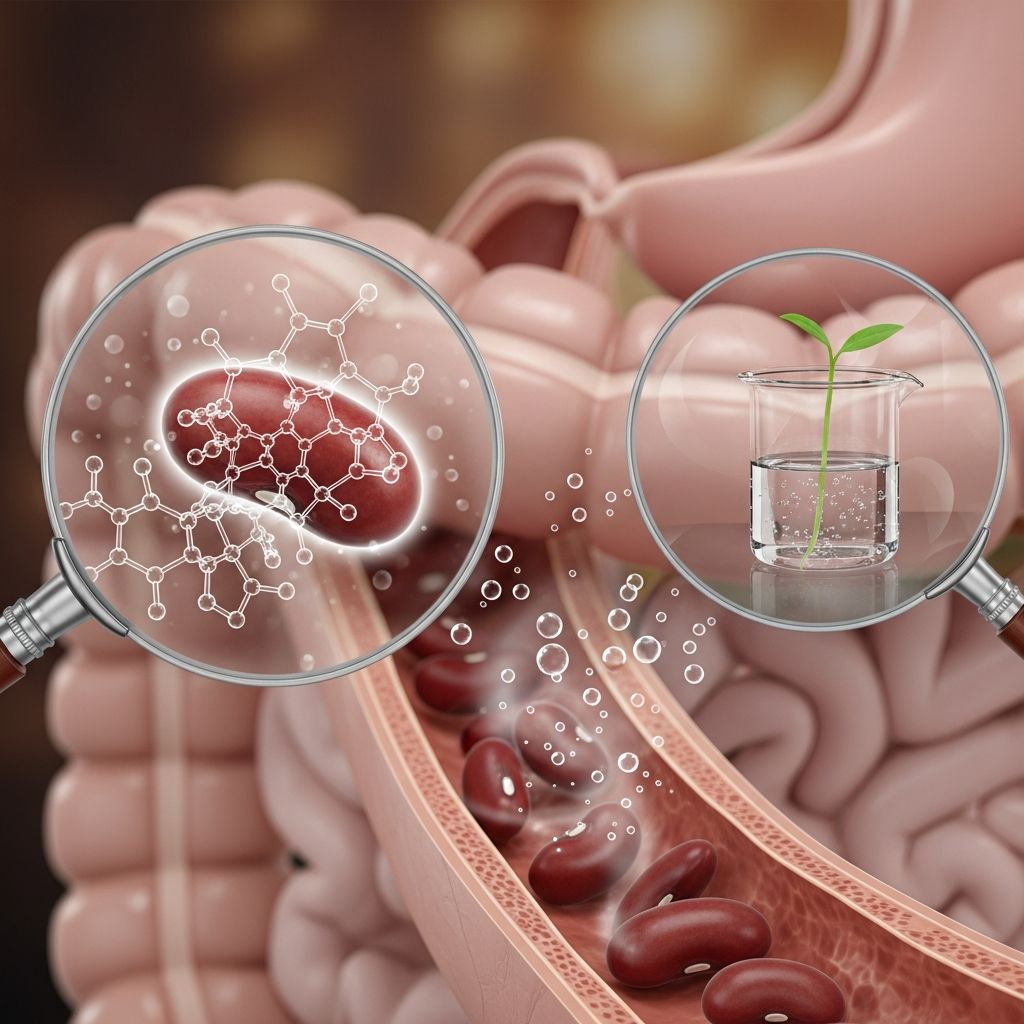
Beans pack a nutritional punch with protein, fiber, and essential minerals, yet they’re infamous for triggering flatulence and bloating in many people. This reaction stems from specific carbohydrates that resist human digestion and fuel gut bacteria, producing gases like hydrogen, methane, and carbon dioxide.
The Biological Mechanism Behind Bean-Induced Gas
Human digestive enzymes in the stomach and small intestine cannot break down certain complex sugars found abundantly in beans, known as oligosaccharides. These include raffinose and stachyose, members of the raffinose family oligosaccharides (RFOs). Instead of being absorbed, these carbs travel intact to the large intestine.
There, trillions of gut bacteria ferment these undigested fibers, a process that generates short-chain fatty acids beneficial for colon health alongside unwanted gases. The primary culprits—hydrogen, carbon dioxide, and methane—build up, leading to bloating, discomfort, and eventual expulsion as flatulence. Methane production varies individually, influenced by specific bacterial populations, explaining why some experience more odor or volume than others.
Soluble fiber in beans exacerbates this by absorbing water and forming a gel-like substance that slows digestion, prolonging fermentation time. Resistant starches, another bean component, behave similarly, resisting breakdown until reaching the colon.
Do All Beans Affect Everyone Equally?
Not every bean variety provokes the same gas response, nor does everyone react identically. Factors like prior fiber intake, gut microbiome composition, and bean type play key roles. Pinto and baked beans, higher in fiber and RFOs, often cause more initial discomfort compared to black-eyed peas, which have lower levels.
A study involving adults consuming half a cup of beans daily for 8-12 weeks found that fewer than 50% reported increased flatulence in the first week with pinto or baked beans, dropping to 19% for black-eyed peas. By weeks 2-3, over 70% of those affected noticed symptoms subside as their guts adapted.
| Bean Type | Fiber Content (per ½ cup cooked) | Reported Flatulence (Week 1) | Adaptation by Week 4 |
|---|---|---|---|
| Pinto Beans | High | ~50% | Low (2-3% continued) |
| Baked Beans | High | ~50% | Low (7-11% continued) |
| Black-Eyed Peas | Moderate | 19% | Minimal |
| Control (Carrots) | Low | 3-11% | None by Week 5 |
This table summarizes findings from controlled trials, highlighting varietal differences and the body’s adjustment period.
Perception vs. Reality: The Role of Expectations
Psychological factors amplify discomfort. Many anticipate gas from beans due to cultural stereotypes, perceiving more symptoms than objectively occur. In studies, some participants reported flatulence even on control diets without gas-producing elements, suggesting expectation influences sensation.
Those with low baseline fiber diets experience sharper increases when introducing beans, as sudden fiber surges overwhelm the gut. Conversely, regular consumers report minimal issues, underscoring adaptation.
Health Benefits Outweigh Temporary Discomfort
Despite gas concerns, beans offer substantial advantages. They’re rich in plant protein, supporting muscle repair without saturated fats. Fiber aids cholesterol reduction, blood sugar control, and bowel regularity, lowering risks for heart disease, diabetes, and colon cancer.
Gut fermentation byproducts, like short-chain fatty acids, nourish colon cells and modulate inflammation. The 2010 Dietary Guidelines endorse legumes for chronic disease prevention, aligning with research showing long-term benefits despite initial gas.
Proven Strategies to Minimize Gas from Beans
Several methods reduce oligosaccharide content or aid digestion, allowing fuller enjoyment of beans.
- Soaking and Rinsing: Soak dried beans overnight in water, then discard the liquid and rinse thoroughly. This leaches out 25-50% of RFOs into the soak water.
- Proper Cooking: Boil soaked beans with fresh water for 1-2 hours until tender. Adding baking soda (1 tsp per quart) softens skins and pectin, potentially speeding cooking and reducing some indigestibles, though RFOs remain unless discarded.
- Canned Beans: Opt for low-sodium varieties and rinse under running water for 1-2 minutes to remove up to 40% of oligosaccharides from packing liquid.
- Start Small: Begin with 2-3 tablespoons daily, gradually increasing to half a cup over weeks to allow microbiome adaptation.
- Enzyme Supplements: Alpha-galactosidase (e.g., Beano) breaks down RFOs pre-fermentation. Take before meals; studies confirm reduced gas.
Brining with salt may tenderize but doesn’t eliminate RFOs, as they diffuse into cooking water—always discard it.
Bean Varieties and Their Gas Potential
Lentils and split peas, technically legumes, often produce less gas due to lower RFOs and quicker cooking, which partially breaks down fibers. Chickpeas fall in the middle; thorough rinsing helps.
- Low-Gas Options: Lentils, black-eyed peas, split peas
- Moderate: Chickpeas, kidney beans
- Higher: Pinto, navy, baked beans
Pairing beans with digestive aids like ginger, fennel, or cumin in recipes can soothe the gut.
Special Considerations for Sensitive Groups
Individuals with IBS may experience amplified symptoms from gas pooling, not just production. Consult professionals for tailored advice. Pregnant people or those with low fiber diets benefit most from gradual introduction.
Lectins in undercooked beans (e.g., kidney) pose risks like nausea, but proper soaking and boiling neutralize them.
Frequently Asked Questions
Will eating beans daily eventually stop the gas?
Yes, most people adapt within 2-4 weeks as gut bacteria adjust to regular fiber intake, reducing flatulence reports significantly.
Does rinsing canned beans really help?
Absolutely—rinsing removes much of the starchy liquid containing oligosaccharides, cutting gas potential.
Are there beans that don’t cause gas at all?
No bean is gas-free, but varieties like lentils and black-eyed peas produce less due to lower RFO content.
Can enzyme pills like Beano work for everyone?
They effectively reduce symptoms for many by digesting RFOs, but efficacy varies by dosage and individual microbiome.
Is bean gas harmful or just embarrassing?
It’s harmless and a normal byproduct of healthy fiber digestion; focus on strategies to manage it comfortably.
Recipes for Gas-Friendly Bean Meals
Lentil Soup: Simmer rinsed lentils with carrots, onions, ginger, and cumin for 30 minutes. Low-RFO and soothing.
Black-Eyed Pea Salad: Rinse canned peas, toss with veggies, lemon juice, and herbs. Quick, refreshing, minimal prep.
Chickpea Hummus: Blend soaked, cooked chickpeas with garlic, tahini, and olive oil. Portion control keeps gas low.
Conclusion: Embrace Beans with Confidence
Gas from beans is a temporary hurdle to unlocking their powerhouse nutrition. Through science-backed prep and gradual habits, anyone can minimize discomfort. Prioritize consistency for lasting gut health gains.
References
- Why do beans make people so gassy? — Medical News Today. 2023-10-12. https://www.medicalnewstoday.com/articles/why-do-beans-make-you-fart
- Why Do Beans Make You Fart? — Healthline. 2023-08-15. https://www.healthline.com/nutrition/why-do-beans-make-you-fart
- Perceptions of flatulence from bean consumption among adults in 3… — PMC (NCBI). 2011-10-26. https://pmc.ncbi.nlm.nih.gov/articles/PMC3228670/
- Why Beans Make You Fart and How To Prevent It — Cleveland Clinic. 2023-05-18. https://health.clevelandclinic.org/why-do-beans-make-you-fart
- Bean Science Part II — Nik Sharma (Substack). 2023-11-02. https://niksharma.substack.com/p/bean-science-part-ii
- Gas Reduction Tips — Bean Institute. 2024-01-10. https://beaninstitute.com/nutrition-health/gas-reduction-tips/