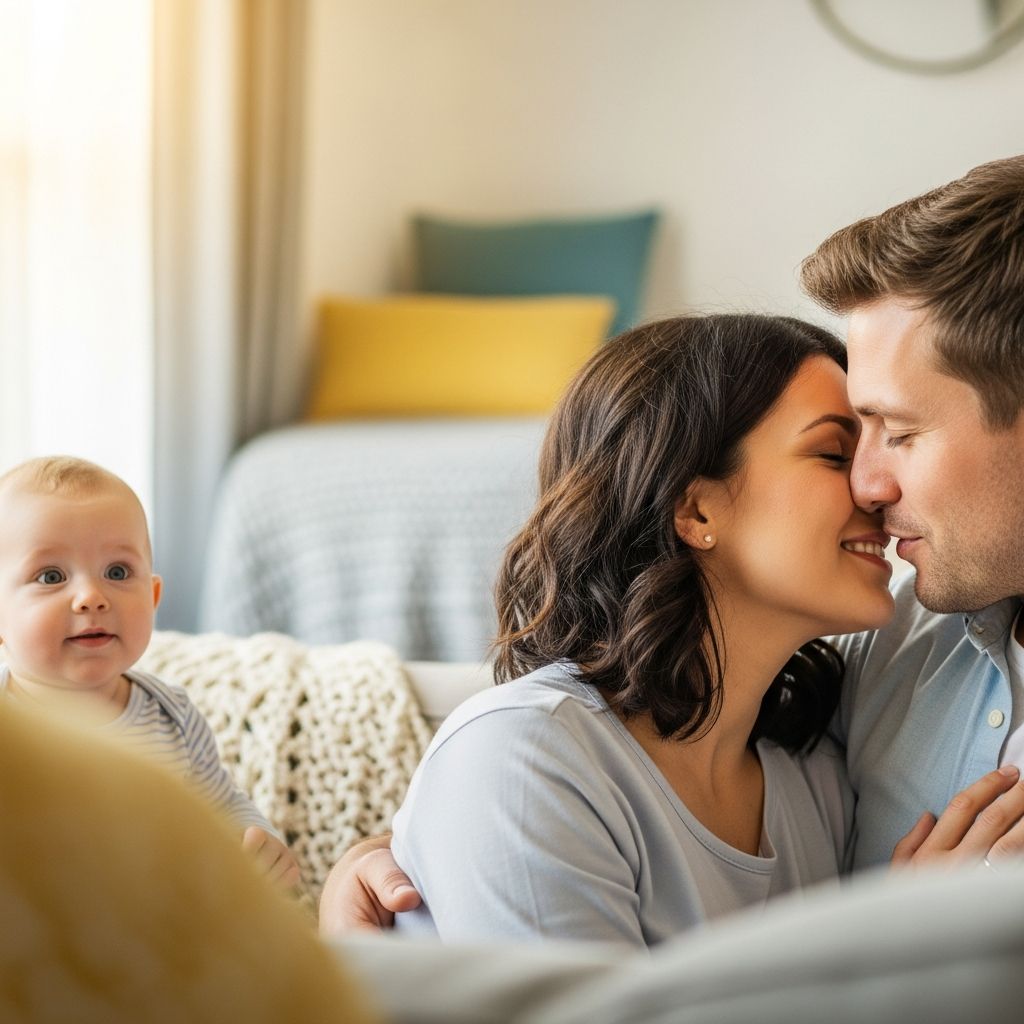
When a baby sees mom and dad share a gentle kiss and responds with wide eyes, kicking feet, or a delighted squeal, it is more than just a cute moment. That tiny reaction reveals how deeply children tune into the emotional climate of their home and how comforting it can be to witness love and affection between their caregivers.
The Viral Charm of a Baby Watching a Kiss
Short video clips of babies reacting to their parents kissing often go viral because the reactions are so pure: big smiles, surprised gasps, babbling, or excited flailing arms. Viewers are drawn to these moments because they offer a glimpse of innocence and joy centered around family love.
Behind the sweetness lies something important. Even very young infants are sensitive to voice tone, facial expression, and body language. A simple kiss between parents communicates warmth and safety, and babies often respond to that emotional signal with visible delight.
- Babies notice when the people they depend on are relaxed, affectionate, and connected.
- Seeing parents interact lovingly can feel reassuring, even if the baby cannot understand what a romantic relationship is.
- Many parents report that their baby looks back and forth between them, smiles, or tries to lean in as if they want to join the hug or kiss.
How Babies Perceive Affection
Babies do not interpret a kiss the way adults do; they do not see it as romance. Instead, they recognize affection mainly through tone of voice, facial expressions, touch, and the overall energy in the room. When those signals are positive, a baby often feels calm, safe, and curious.
From birth, infants are wired to look for emotional cues from their caregivers. They learn whether the world is safe by watching faces, listening to voices, and experiencing consistent, gentle touch. A smiling exchange between parents often reads to a baby as: “Things are okay here.”
Attachment, Security, and Parental Affection
Attachment theory suggests that children who feel consistently cared for and protected form secure bonds with their primary caregivers. Everyday affection—hugs, snuggles, gentle kisses, and warm eye contact—plays a central role in building that sense of security.
When babies see affection not only directed at them but also between their caregivers, it can reinforce the idea that their family unit is stable and connected. Over time, that ongoing sense of safety helps children feel more confident exploring the world and seeking comfort when they need it.
- Secure attachment is linked with better emotional regulation, social skills, and resilience.
- Visible affection between parents models trust, kindness, and respect.
- Consistent warmth helps a child internalize the message: “I am loved and my caregivers love each other too.”
Modeling Healthy Relationships
Children learn how relationships work long before they ever step into a friendship or romantic partnership of their own. The way parents talk to one another, solve problems, and show affection creates a living example of what “normal” looks like.
When kids regularly see gentle, respectful affection—such as hugs, quick kisses, or kind gestures—they are more likely to view closeness and tenderness as natural parts of a healthy relationship. This early modeling can influence how they communicate and connect with others later in life.
Key ways affection teaches relationship skills
- Kindness: Simple loving gestures teach that caring for another person involves small daily acts of warmth.
- Respect: When affection is given and received with comfort and consent, kids learn that touch should be mutual and respectful.
- Repair: Seeing parents reconcile after disagreements—maybe ending with a hug or kiss—shows that relationships can repair after conflict.
Types of Baby Reactions Parents Notice
Not every baby reacts the same way when parents kiss. Some appear ecstatic, while others look puzzled or even mildly upset. All of these responses are shaped by personality, age, temperament, and what the baby is used to seeing.
Recognizing different types of reactions can help parents respond sensitively and keep the interaction light and playful.
| Reaction | What It Might Mean | How Parents Can Respond |
|---|---|---|
| Big smile, giggles, excited kicking | Baby is tuned into the happy mood and feels amused or delighted. | Smile back, talk to the baby, and invite them into a group snuggle. |
| Surprised face, wide eyes, stare | Baby is curious and processing what happened, especially if the kiss was sudden. | Use a calm, playful voice to explain, “Mommy and Daddy are giving a kiss,” and keep the atmosphere relaxed. |
| Reaching toward parents, leaning in | Baby may want to join the affection, seeking a hug or kiss too. | Offer a group hug or kiss on the forehead so the baby feels included. |
| Fussy, whining, or trying to push a parent away | Baby might feel a bit left out or overstimulated, or want attention redirected back to them. | Comfort the baby, give them some direct affection, and keep any play light and short. |
| Seemingly indifferent, no real reaction | Baby may be focused on something else or simply used to seeing affection. | It is usually fine to continue as normal; not reacting can also be a sign of feeling secure. |
Is It Good for Kids to See Parents Kiss?
For most families, simple, nonsexual affection—such as hugs, snuggles, hand-holding, and brief kisses—is a healthy, normal part of daily life. Many child development experts view these displays as beneficial, because they reinforce emotional security and model caring behavior in relationships.
There is a clear difference between everyday affection and overly intimate behavior that may feel confusing or uncomfortable to children. Parents can trust their own judgment, cultural values, and their kids’ reactions to set appropriate boundaries.
- Brief, warm affection between parents is generally considered positive for children to see.
- Parents should pay attention to body language; if a child looks uncomfortable, it is okay to keep affection more low-key in front of them.
- Open, age-appropriate conversations as children grow older can help them understand that affection is part of loving, respectful relationships.
When Kids React with Jealousy or Discomfort
Sometimes older babies or toddlers respond to a parent kiss with jealousy, frustration, or attempts to physically separate the parents. This is common and usually reflects a temporary desire for attention rather than a deep emotional problem.
In these moments, a lighthearted, inclusive approach works best. Inviting the child into a group hug or reassuring them verbally often helps them feel secure again.
Gentle strategies to ease tricky reactions
- Offer a turn: “First Mommy kiss, then your turn for a big hug!”
- Use playful language: “Uh-oh, our kiss inspector is here!” to make the moment silly instead of tense.
- Provide extra one-on-one time later if the child often seems unsettled when parents show affection.
Tips for Showing Healthy Affection Around Your Baby
Every family expresses affection differently, influenced by culture, upbringing, and personal comfort levels. The goal is not to perform affection for the child, but to allow natural, caring interactions to be visible in a way that feels authentic and respectful.
Parents can focus on warmth, respect, and responsiveness. When affection appears in that context, it typically supports a child’s emotional development rather than confusing them.
- Keep it simple and natural: Quick kisses, hugs, and hand-holding are usually enough for kids to sense closeness.
- Watch your child’s cues: If they seem very uncomfortable, scale back in that moment and check in with them in an age-appropriate way.
- Balance couple time and child time: Children feel more secure when they also receive consistent direct affection and attention.
- Avoid using affection as a weapon: Do not withhold or display affection to provoke jealousy or make a point.
- Respect cultural and personal boundaries: Each family can decide what feels right, as long as interactions are safe, consensual, and kind.
Frequently Asked Questions
Is it normal for my baby to laugh when we kiss?
Yes, it is very common for babies to laugh, squeal, or kick their legs when they see their parents kiss. They are reacting to the positive energy, happy faces, and playful change in the environment, even if they do not recognize the kiss as romantic.
What if my baby seems upset when we kiss?
Some babies or toddlers briefly act upset or clingy when parents show affection to each other. This can be a sign they want reassurance or attention, not that affection is harmful. Comforting them, offering a hug, or including them in a group cuddle usually helps.
Can seeing parents kiss ever harm a child?
Simple, respectful affection like hugs and short kisses is generally considered healthy. Problems may arise if physical displays are overly intense, sexual, or used during heated conflict. As long as interactions stay gentle and family-appropriate, children typically benefit from seeing loving behavior.
How much affection in front of kids is too much?
There is no universal rule, but a good guideline is to keep anything you would not be comfortable showing in a public family space private. If you would feel awkward doing it in front of other relatives or friends with kids, it may be better saved for alone time.
Do kids really learn about future relationships from us?
Yes. Children absorb lessons about kindness, respect, communication, and boundaries by watching the adults around them. When they see parents handle disagreements calmly and show gentle affection, those patterns can shape the way they approach relationships later in life.
Embracing the Sweetness of Everyday Moments
A baby’s delighted reaction to a simple kiss between mom and dad may last only a few seconds, but it reflects a powerful truth: children are always watching, and they feel safest when the people they love appear connected and kind to one another. For parents, allowing those natural moments of affection to shine through—without forcing them—can quietly nurture emotional security and healthy expectations about love.
While every family’s comfort level and culture are different, prioritizing warmth, respect, and genuine care in front of children lays a foundation they carry for life. In the end, that little giggle or wide-eyed grin at a kiss is just one of many signs that a child feels wrapped in the safety of family love.