The Instinct to Comfort Versus the Priority of Safety
As a parent, few things are more difficult than hearing your baby cry during a car ride. The natural parental instinct is to comfort your child immediately, which often means reaching back to check on them, hold them, or remove them from their car seat. However, this well-intentioned response can inadvertently place your baby in significant danger. Understanding why car seats must remain your baby’s primary travel environment—even during periods of distress—is fundamental to protecting your child’s life in the event of a collision or sudden vehicle maneuver.
Car seats are engineered safety devices designed specifically to protect infants and young children during vehicle travel. When properly installed and used, they distribute crash forces across the baby’s body in ways that their developing skeletal structure can withstand. Removing a baby from this protective environment, regardless of the reason, eliminates these engineered safeguards and exposes them to forces that could cause serious injury or death.
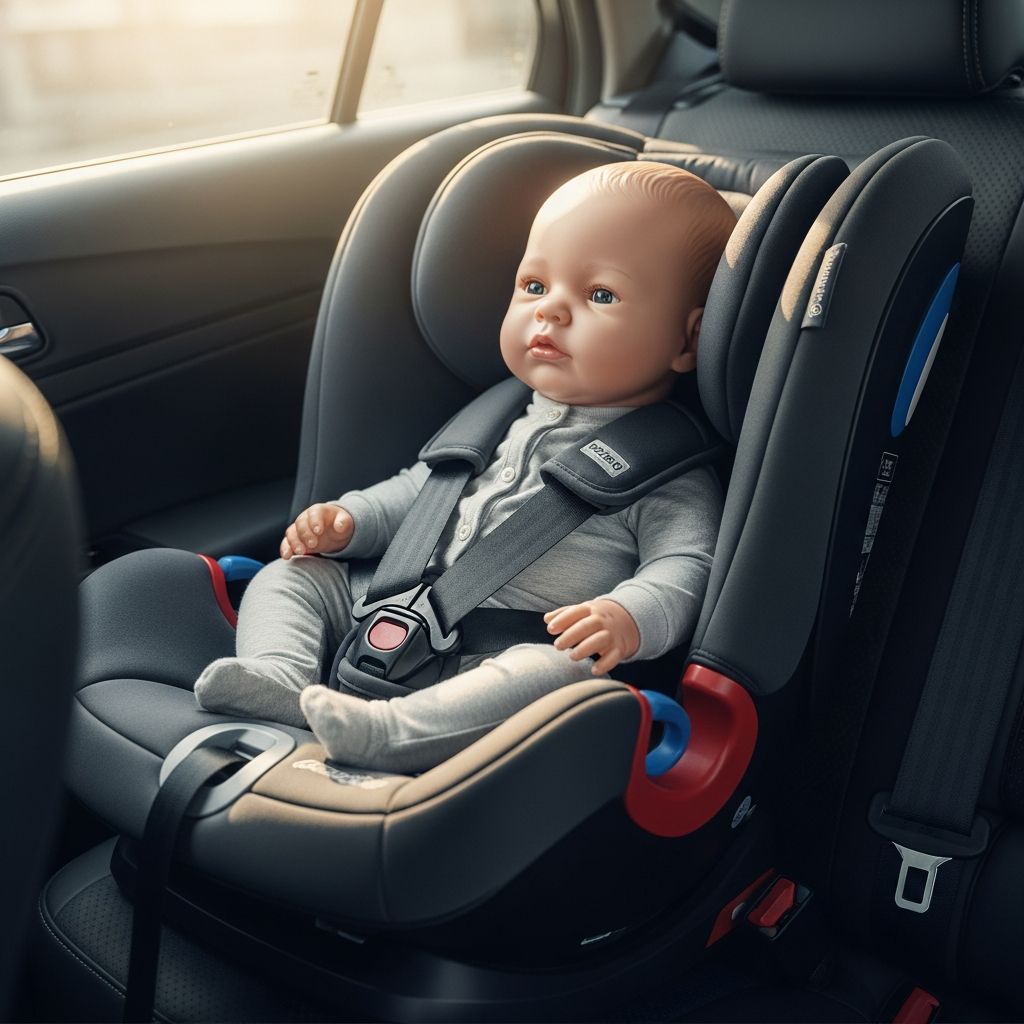
How Rear-Facing Car Seats Protect Your Infant
Infants and toddlers should ride in a rear-facing car seat as long as possible, ideally until they reach the highest weight or height allowed by their seat manufacturer. This orientation is not arbitrary—it represents decades of crash research and biomechanical understanding of how young children’s bodies respond to collision forces.
When a vehicle stops suddenly or is struck, the occupants experience rapid deceleration. In a rear-facing position, the car seat cradles your baby’s head, neck, and spine, allowing the seat itself to absorb and distribute crash forces across the entire back surface of the seat. This design is critical because an infant’s neck muscles and vertebrae are still developing and are far more fragile than those of older children or adults. Their bones develop strength with age rather than with size, so even large babies require the protection offered by rear-facing seats.
Conversely, if a baby is removed from their car seat and held in an adult’s arms during a collision, several dangerous scenarios can occur. The adult’s body will move forward with tremendous force, and the baby—being lighter and less able to brace themselves—will be thrown from the adult’s grasp or crushed between the adult and the vehicle’s interior. In some cases, the impact can cause the adult to lose consciousness, leaving the baby unprotected. The forces involved in even low-speed crashes can be severe enough to cause internal injuries, broken bones, or head trauma in an unrestrained child.
Understanding the Consequences of Improper Restraint
Emergency physicians and pediatric trauma specialists consistently emphasize that improperly restrained children represent a preventable tragedy. When a baby cries and is removed from their car seat, they lose all of the engineered protection that device provides. The risk is not theoretical—it is grounded in documented cases of preventable injuries and fatalities.
Research has consistently demonstrated the lifesaving value of proper car seat use. In fact, studies have shown that the use of appropriate child restraints can reduce the risk of injury by significant percentages compared to unrestrained or improperly restrained children. This protection applies only when the child remains properly secured throughout the entire journey.
The physics of vehicle crashes is unforgiving. A collision at just 30 miles per hour can generate forces equivalent to dropping a small child from a three-story building. Without a car seat’s protection, an infant cannot survive such forces. Even seemingly minor traffic incidents—a sudden stop, a low-speed rear-end collision, or swerving to avoid an obstacle—can result in serious injuries to an unrestrained or improperly restrained child.
Why Your Baby’s Crying Does Not Indicate a Safety Problem
One of the most common reasons parents consider removing babies from car seats is the assumption that crying indicates the child is uncomfortable, too hot, too cold, or experiencing some form of distress that requires immediate intervention. In most cases, this assumption is incorrect. Babies cry for many reasons, and crying during car travel is developmentally normal and does not typically signal a medical emergency or safety concern.
Some infants cry due to boredom, fatigue, hunger, or the stimulation of unfamiliar sensations. Others cry because they dislike the confinement of the car seat or the motion of the vehicle. While these situations are undoubtedly frustrating for parents, they are not dangerous, and they do not warrant removing the baby from their protective restraint system.
It is important to distinguish between normal crying and signs of genuine distress that might indicate a medical concern. If your baby is experiencing difficulty breathing, is choking, has unusual discoloration, or exhibits other signs of acute distress beyond crying, you should pull over in a safe location immediately and assess the situation. However, these scenarios are exceptionally rare. In the vast majority of cases, a crying baby is a safe baby as long as they remain properly secured in their car seat.
The Risks of Unbuckled or Partially Restrained Children
Removing a baby from a car seat creates multiple hazards. First, the child loses the protective structure of the seat. Second, a parent who is reaching back to comfort or hold a baby is distracted from the primary task of driving safely. This divided attention increases the likelihood of accidents. Third, if the parent holds the baby, both the parent and child are unrestrained and vulnerable to injury in any collision or sudden maneuver.
Some parents attempt a compromise by partially restraining their baby—using only the chest clip without the lap belt, or removing the baby from the seat entirely but holding them loosely—but these approaches offer minimal protection. Harness straps should lie flat, straight, and snug, with the chest clip positioned at armpit level. Anything less than this proper configuration compromises the seat’s ability to protect your baby.
Additionally, the Federal Motor Vehicle Safety Standards that govern car seat design assume that babies will remain in their seats throughout travel. Any deviation from this assumption means your baby is not receiving the level of protection the car seat was engineered to provide.
Managing Common Situations Without Removing Your Baby
There are practical strategies parents can employ to address their baby’s crying while maintaining proper car seat safety. Understanding these approaches can help reduce both the baby’s distress and parental anxiety.
Temperature Regulation: Rather than removing your baby from the car seat, adjust the vehicle’s climate control. Dress your infant in layers that can be easily modified without removal from the seat. If you need to provide warmth, place a blanket over your baby after they are properly buckled; never place blankets underneath or behind the child or under the harness straps, as these placements can interfere with proper restraint and create strangulation risks.
Hunger and Comfort: Plan your driving around your baby’s feeding schedule when possible. If you must feed your baby during travel, safely pull over at a rest area or parking lot rather than attempting to provide a bottle while driving. Never attempt to breastfeed while the vehicle is in motion.
Entertainment and Distraction: Consider age-appropriate toys, gentle music, or soft talking to distract your baby during the journey. Some parents find that white noise or familiar songs help soothe crying infants.
Frequent Breaks: On longer trips, plan regular stops where you can remove your baby from the car seat in a safe, stationary location. This allows your baby to change positions, receive direct comfort, and helps break up long periods of confinement.
Medical Concerns: If your baby develops symptoms beyond normal crying—such as difficulty breathing, unusual coloring, vomiting, or other concerning signs—pull over immediately in a safe location and call emergency services if necessary. These situations are rare and should not be confused with normal travel-related fussiness.
Proper Car Seat Installation and Maintenance
Even a properly designed car seat offers inadequate protection if it is incorrectly installed. The car seat should not be able to move more than one inch from side-to-side or front-to-back when installed correctly. Many parents unknowingly install car seats with too much movement, which can reduce their protective effectiveness during a crash.
For rear-facing seats, the top tether should be securely fastened according to both the car seat manufacturer’s instructions and your vehicle’s owner’s manual. For forward-facing seats, the tether is equally important and must be tightly secured. Many parents neglect this step, not realizing it is critical to the seat’s crash protection capabilities.
Additionally, monitor your baby’s growth and ensure they have not outgrown their current car seat. The car seat should be appropriate for your child’s current weight and height, and you should check the manufacturer’s specifications regularly as your baby grows. Once your baby reaches the maximum weight or height limit for their rear-facing seat, you should transition them to an appropriately sized forward-facing seat with a five-point harness system.
Guidelines for Different Ages and Stages
Car seat requirements change as children grow, and understanding these guidelines helps ensure your child always has age-appropriate protection.
Birth to 12 Months: All infants under one year should always ride in a rear-facing car seat, starting with their first ride home from the hospital. This includes newborns and infants with special medical considerations.
1 to 3 Years: Children in this age range should continue riding rear-facing as long as possible until they reach the highest weight or height allowed by their car seat. Most convertible seats accommodate children in this range for rear-facing travel.
4 to 7 Years: Once children outgrow their rear-facing seats, they should transition to forward-facing car seats with harnesses and top tethers, remaining in the back seat of the vehicle. They should stay in forward-facing seats until they reach the maximum weight or height limits of that particular seat.
8 to 12 Years: Children who have outgrown forward-facing car seats should use belt-positioning booster seats until they are tall enough for adult seat belts to fit properly. The lap belt should fit snugly across the upper thighs, not the stomach, and the shoulder belt should rest across the chest and collarbone, not the neck. Children should remain in the back seat throughout this stage.
13 Years and Older: All children under 13 should continue riding in the back seat with properly fitting adult seat belts. Once children reach appropriate height and weight, they can transition to adult restraint systems, but they should remain in the back seat for maximum protection.
Frequently Asked Questions
Q: Is it safe to remove my baby from the car seat if they seem overheated?
A: No. Instead, adjust your vehicle’s air conditioning or windows to regulate temperature. You can also dress your baby in lighter clothing or use a lightweight blanket over them once they are properly buckled. True overheating that requires medical intervention is rare and would present with symptoms beyond crying; if you suspect a genuine medical emergency, pull over safely and call emergency services.
Q: My baby falls asleep in their car seat on short trips. Is this harmful?
A: Babies falling asleep in car seats during travel is normal and safe. However, experts recommend limiting continuous time in car seats—whether in or out of the vehicle—to approximately two hours, as extended periods can affect breathing positioning. On longer trips, plan breaks where your baby can be removed from the seat in a safe, stationary location.
Q: What if my baby’s legs seem cramped or bent in a rear-facing seat?
A: Bent legs and knees touching the back seat are completely normal and harmless in rear-facing positions. This positioning does not cause pain or damage to your baby’s developing bones. Rear-facing orientation remains far safer than forward-facing until your child reaches the appropriate size limits.
Q: Is it acceptable to hold my baby while someone else drives?
A: No. Every person in a vehicle, including babies and infants, should be properly restrained in an appropriate seat for their age and size. Holding a baby during vehicle travel, regardless of who is driving, eliminates the protection of engineered restraint systems and places your child at serious risk of injury.
Q: How do I know if my car seat is installed correctly?
A: Consult both your car seat manufacturer’s instructions and your vehicle’s owner’s manual. Many hospitals, fire departments, and child safety organizations offer free car seat installation checks to verify proper placement and securing. The seat should not move more than one inch from side-to-side or front-to-back when properly installed.
Conclusion: Your Baby’s Safety is Non-Negotiable
The decision to keep your baby properly restrained in their car seat throughout every journey—even when they are crying—is not a matter of parental preference or comfort. It is a fundamental safety requirement grounded in engineering, physics, and extensive research into child injury prevention. While the crying can be emotionally challenging for parents, it is a normal part of infant development and does not indicate that your child is in danger from being properly restrained.
Every time you place your baby in a car, you are entrusting them to a machine capable of traveling at high speeds and involved in unpredictable situations. The only appropriate response is to ensure they are protected by the best available safety technology: a properly installed, age-appropriate car seat used consistently throughout every trip. By maintaining this commitment to proper restraint, you are making one of the most important safety decisions of your parenting journey.
References
- Car Seat Safety Guidelines — Children’s Hospital Colorado. 2025. https://www.childrenscolorado.org/just-ask-childrens/articles/car-seat-safety-guidelines/
- Car Seat & Booster Seat Safety, Ratings, Guidelines — National Highway Traffic Safety Administration (NHTSA). 2025. https://www.nhtsa.gov/equipment/car-seats-and-booster-seats
- Resources | Child Passenger Safety — Centers for Disease Control and Prevention (CDC). 2025. https://www.cdc.gov/child-passenger-safety/resources/index.html
- Car Seat Safety — Pediatric Trauma, University of Michigan. 2025. https://pediatric-trauma.med.umich.edu/injury-prevention/car-seat-safety
- Car Seat Safety: Newborn to 2 Years — Children’s Hospital of Philadelphia (CHOP). 2025. https://www.chop.edu/centers-programs/car-seat-safety-kids/car-seat-safety-by-age/newborn-2-years
- Car Seats: Information for Families — HealthyChildren.org (American Academy of Pediatrics). 2025. https://www.healthychildren.org/English/safety-prevention/on-the-go/Pages/Car-Safety-Seats-Information-for-Families.aspx