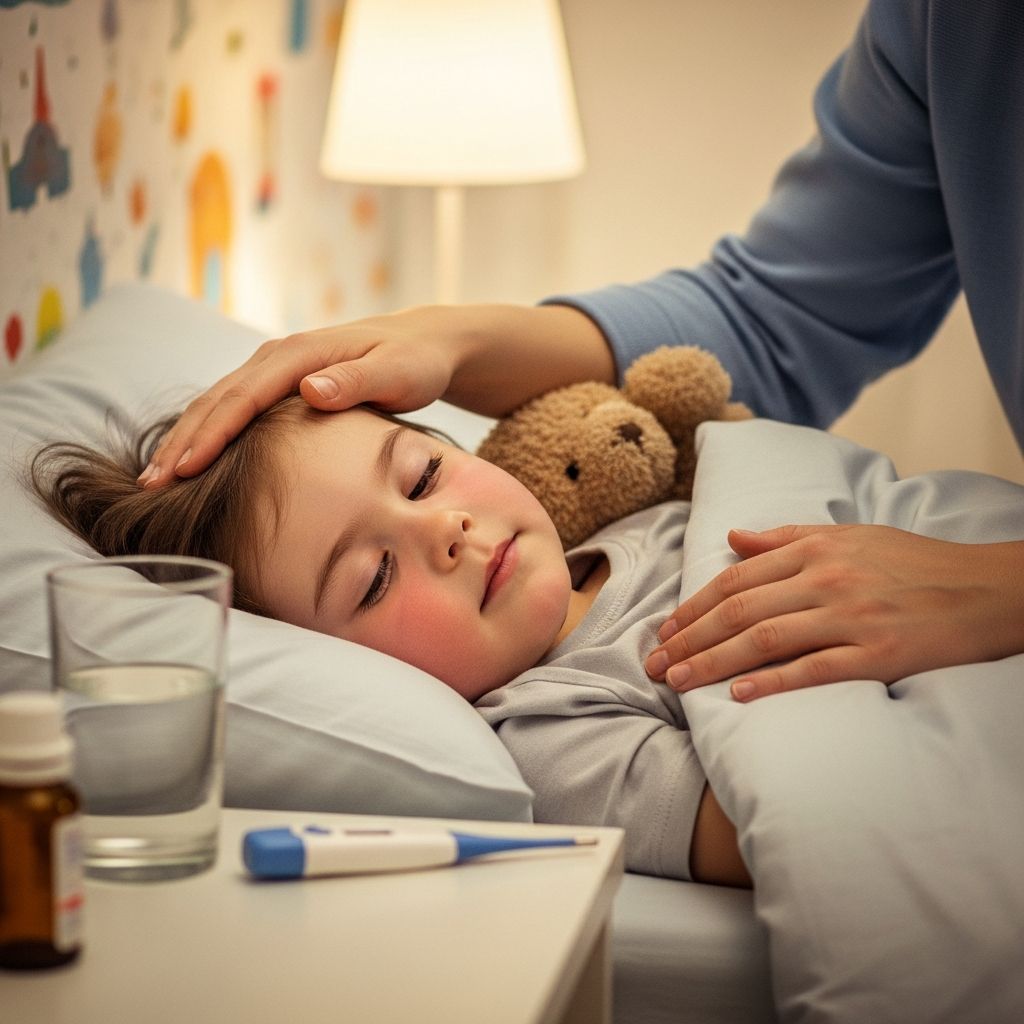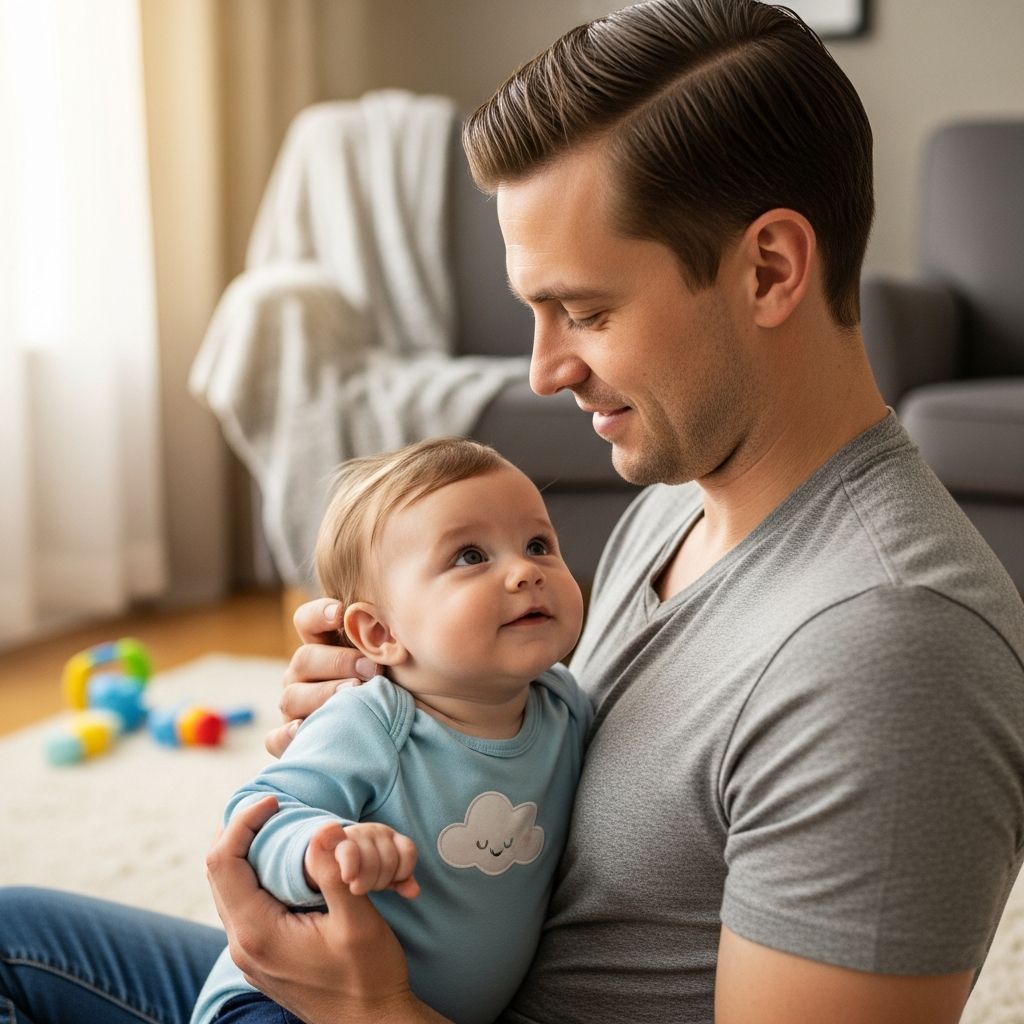
Many parents experience moments when their baby shows a clear favoritism toward one parent, often surprising everyone if it’s dad who becomes the instant soother while mom faces rejection. This phenomenon, known as parental preference, is a standard part of infant development driven by biological connections, familiarity, and evolving emotional needs. Far from signaling a problem, these phases reflect a baby’s growing sense of security and exploration of relationships.
Understanding the Roots of Parental Preference in Infancy
Infants form attachments based on proximity, sensory familiarity, and responsive caregiving from birth. While mothers often hold an initial edge due to pregnancy and nursing, babies frequently pivot to preferring fathers around 6-12 months as they seek novelty and play. This shift happens because dads typically engage in more high-energy interactions, like roughhousing, which stimulate a baby’s vestibular system and joy centers.
Developmental psychologists note that such preferences peak during separation anxiety stages, typically 8-18 months, when babies test boundaries and reaffirm safe bases. A baby’s cry quiets faster with the ‘fun’ parent because that caregiver represents excitement amid security, balancing the nurturing role often filled by mom.
Biological and Prenatal Influences on Early Bonds
From the womb, babies attune to multiple voices, but the mother’s heartbeat, movements, and nourishment create an unparalleled primal link. Post-birth, this translates to instinctive calming in mom’s arms, as her scent and rhythm mimic the uterine environment. Dads, however, build bonds through skin-to-skin contact and voice recognition, which fetuses hear clearly in utero.
Research indicates that by 3-6 months, babies recognize and respond enthusiastically to fathers’ distinct play styles, often giggling more during dad’s tickles than mom’s gentle holds. This isn’t rejection but diversification of attachment figures, crucial for resilient emotional growth.
Age-Specific Patterns: When and Why Dad Becomes the Favorite
- Newborn Phase (0-3 Months): Mom dominates due to feeding and constant presence; dad bonds via diapering and soothing.
- 4-7 Months: Emerging smiles and babbles draw dads in; babies experiment with turning to dad for comfort.
- 8-12 Months: Peak dad preference—crawling babies seek dad’s energetic play, using mom as ‘home base’.
- Toddler Years (1-3 Years): Fluctuations based on activities; dad for outdoor fun, mom for routines.
These patterns align with cognitive leaps, like object permanence, where babies grasp that both parents return, reducing clinginess over time.
Psychological Factors Driving Sudden Shifts in Preference
Children aren’t rejecting the less-favored parent; they’re expressing unmet emotional needs safely with their primary caregiver. If dad works away, homecomings trigger ‘missed you’ tantrums, decoded as relief upon reunion. Conversely, the stay-at-home parent absorbs daily upsets, signaling deeper trust.
Personality matches play a role too—outgoing babies may vibe with dad’s adventurous spirit, while sensitive ones stick to mom’s predictability. Situational triggers, like new siblings or daycare starts, amplify preferences as coping mechanisms for change.
| Factor | Mom Preference Triggers | Dad Preference Triggers |
|---|---|---|
| Familiarity | Prenatal bond, breastfeeding | Playful interactions, novelty |
| Activity Type | Feeding, bedtime | Games, exploration |
| Emotional Load | Daily routines, upsets | Reunions, excitement |
| Developmental Stage | Early infancy | Mid-infancy mobility |
Emotional Impact on Parents and Family Dynamics
Dads may feel sidelined initially, interpreting cries as personal failure, while moms battle exhaustion from sole soothing duties. This imbalance strains partnerships, especially if one parent resents the ‘easy’ role of the other. Open communication prevents resentment—acknowledge it’s temporary and biological, not a reflection of parenting skill.
Mothers working outside home face unique guilt, leaving scented items or voice recordings eases transitions. Fathers thrive by persisting through early rejections, turning frustration into first-word triumphs like ‘Dada.’ Over years, roles evolve: babies outgrow lap-sitting but gain protective dads.
Proven Strategies to Balance Attachments and Reduce Favoritism
Strengthen bonds proactively without forcing switches, which backfire by heightening anxiety.
- Rotate roles: Dad handles solo baths; mom steps back during playtime.
- Quality over quantity: Short, focused dad-baby dates build connection faster than constant presence.
- Listen actively: Validate baby’s choice (‘You want Daddy now?’) to model emotional intelligence.
- Partner support: Non-preferred parent rests while the favorite engages, preventing burnout.
- Scent swaps: Sleep in each other’s shirts for familiar smells during separations.
Couples therapy or parenting classes focused on attachment theory help if preferences persist beyond age 3, though rare.
Long-Term Benefits of Navigating Preference Phases
These early dynamics lay groundwork for secure attachments, where kids develop multiple safe havens. Babies who cycle through preferences grow into flexible toddlers, better at sharing emotions across relationships. Parents emerge more empathetic, with dads gaining confidence and moms reclaiming rest.
By school age, preferences fade into balanced reliance, with dads coaching sports and moms aiding homework. This evolution underscores parenting as a marathon of shifting alliances.
Frequently Asked Questions
Is it harmful if my baby only wants dad right now?
No, it’s a healthy sign of forming diverse attachments. Encourage persistence from both sides for well-rounded security.
How long does the dad preference phase last?
Typically 3-6 months around 8-12 months old, but it fluctuates with development and life changes.
What if my baby rejects both parents?
Check for illness, teething, or overstimulation. Consult a pediatrician if persistent, as it may signal sensory issues.
Does breastfeeding cause permanent mom favoritism?
Not at all—it’s initial but gives way as dads engage in non-feeding care like play and walks.
Can working parents still build strong bonds?
Absolutely; consistent, responsive reunions trump hours spent. Quality rituals like bedtime stories solidify ties.
Should I discipline during preference peaks?
Avoid—focus on empathy. Tantrums stem from big feelings; connection first, correction later.
References
- Why Babies Prefer Moms Over Dads — Birth Boot Camp. 2023-05-15. https://birthbootcamp.com/why-babies-prefer-moms-over-dads/
- When a Child Prefers One Parent — Hand in Hand Parenting. 2021-08-01. https://www.handinhandparenting.org/2021/08/when-a-child-prefers-one-parent/
- How to Deal With a Child’s Parental Preference — The Bump. 2024-02-20. https://www.thebump.com/a/preferred-parent
- Attachment in the Making: Early Years — Zero to Three (official early childhood org). 2023-11-10. https://www.zerotothree.org/resource/attachment-in-the-making/
- Infant-Parent Attachment — American Psychological Association. 2022-07-14. https://www.apa.org/topics/parenting/attachment