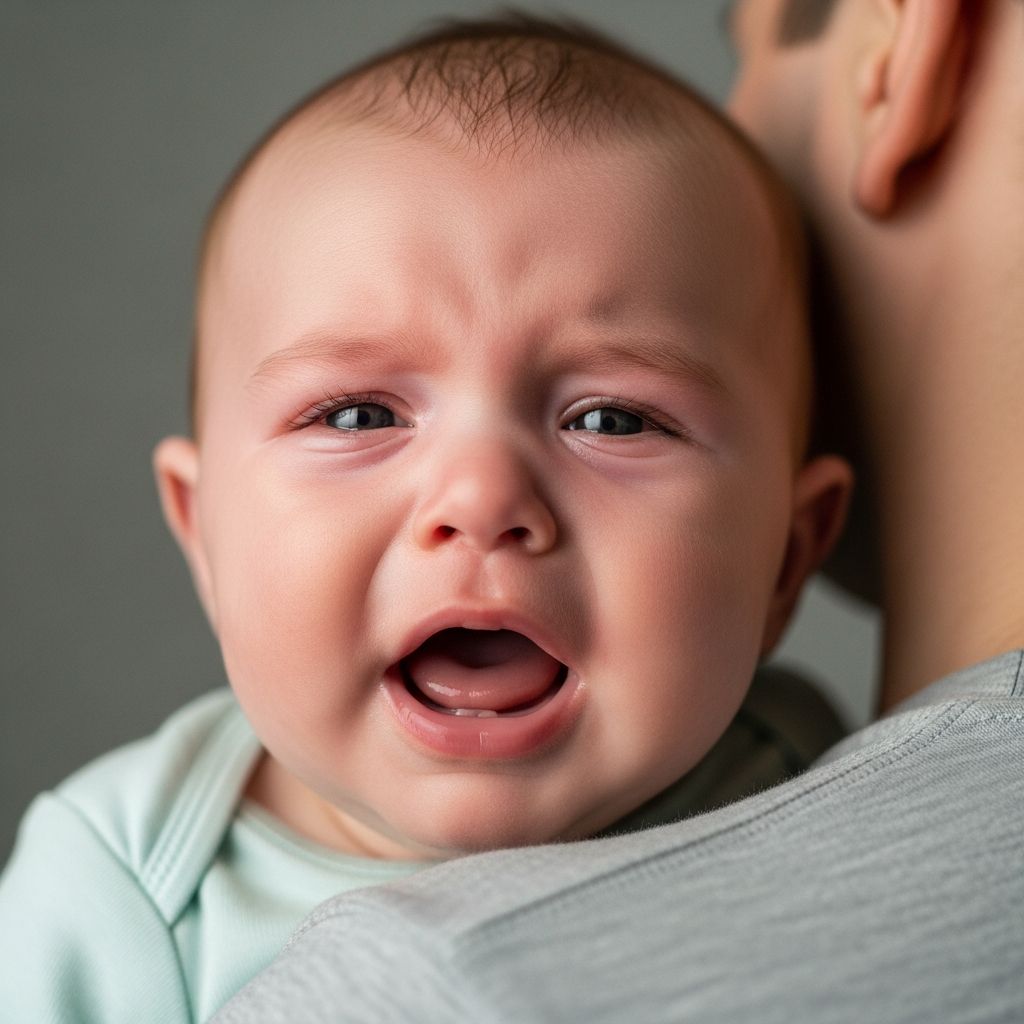
Observing your newborn cry intensely right before releasing a burp is a common yet distressing experience for many parents. This discomfort typically arises from trapped air bubbles in the baby’s developing digestive tract, causing pressure that mimics severe pain. Babies swallow air during feeds or cries, and their immature systems struggle to expel it efficiently, leading to fussiness that resolves post-burp.
Understanding the Root of Pre-Burp Discomfort in Newborns
A baby’s digestive system is still maturing in the first few months, making gas accumulation frequent. Unlike adults, infants cannot articulate discomfort, so they express it through cries that sound agonizing. On average, healthy babies pass gas 13 to 21 times daily, but when air gets trapped, it builds pressure in the stomach or intestines. This is especially prevalent during the newborn stage, peaking in the first three months before subsiding as the gut strengthens.
Swallowed air enters via crying, vigorous sucking, or improper latch during breastfeeding or bottle-feeding. Breastfed babies may ingest less air but can still experience issues if milk flow is rapid, overwhelming their suck-swallow coordination. Formula-fed infants risk more air intake from bottle nipples that allow excessive airflow. Signs include squirming, clenched fists, arched back, or legs drawn to the belly—classic indicators of gas distress.
Gas Pain Versus Colic: Key Differences for Parents
While gas and colic share symptoms like prolonged crying, they differ fundamentally. Gas is temporary, often relieved by burping or passing wind, stemming from identifiable causes like air swallowing. Colic, however, involves intense, inconsolable crying for three or more hours daily, three days a week, without a clear trigger, peaking at 6 weeks and fading by 3-4 months.
| Aspect | Gas Pain | Colic |
|---|---|---|
| Crying Pattern | Intermittent, relieves with burp/gas | High-pitched, evening peaks, hard to soothe |
| Duration | Short episodes | 3+ hours/day, 3+ days/week |
| Physical Signs | Bloating, burping relieves | Legs up, fists clenched, no relief |
| Age Peak | Anytime first 3 months | 6 weeks |
Colic may link to gut immaturity, bacterial imbalance, allergies, or overstimulation, though no single cause is confirmed. Gas often accompanies colic-like episodes but isn’t the sole culprit.
Effective Burping Techniques to Prevent and Relieve Gas
Burping expels air from the esophagus and stomach, reducing pressure. No evidence proves it prevents colic or reflux entirely, but it soothes most gassy babies without harm. Aim to burp midway and post-feed, especially if sucking slows or fussiness starts.
- Over-the-Shoulder Hold: Drape baby upright over your shoulder, head supported. Pat or rub firmly from lower back upward to work gas out.
- Sitting on Lap: Sit baby on your knee, facing out. Support chin with one hand, pat back with the other.
- Laying Across Lap: Lay baby tummy-down across your thighs, head slightly elevated. Gently rock and pat.
- Upright Facing You: Hold baby chest-to-chest, head above your shoulder. Pat rhythmically.
For best results, feed in an upright position to minimize air intake. Breastfeeding moms: Pause if let-down is forceful. Bottle-feeders: Choose slow-flow nipples.
Additional Strategies for Gas Relief and Comfort
Beyond burping, these methods help move trapped gas:
- Tummy Time or Massage: Lay baby on tummy (supervised) or gently massage clockwise around the belly to encourage movement.
- Bicycle Legs: On their back, pedal legs gently to expel wind.
- Warm Bath or Compress: Soothes cramps; apply warm cloth to tummy.
- Probiotics: For breastfed babies, Lactobacillus reuteri drops may reduce crying; consult a doctor first.
Avoid overfeeding or infrequent burps, which exacerbate issues. Track patterns: Does crying worsen evenings? Link to feeds?
Feeding Adjustments for Breastfed and Formula-Fed Babies
Breastfeeding Tips
Ensure a deep latch to reduce air. If fast flow causes gulping, pump briefly first or feed in laid-back position. Maternal diet rarely causes gas, but track if dairy correlates and discuss elimination with a lactation consultant.
Formula Feeding Advice
Use anti-colic bottles with vents. Hold at 45-degree angle; avoid shaking formula to limit bubbles. Burp every 1-2 ounces.
Other Potential Causes of Painful Crying Episodes
Not all cries signal gas. Rule out:
- Hunger or Tiredness: Overtired babies resist sleep; establish routines.
- Teething: Early signs at 4-6 months: drooling, gum rubbing.
- Illness/Injury: Fever, poor feeding, or hair tourniquets warrant immediate checks.
- Reflux: Spitting up without pain; colic unrelated.
When to Consult a Pediatrician Urgently
Seek help if crying persists despite remedies, exceeds colic criteria, or accompanies vomiting, diarrhea, fever, lethargy, or weight issues. Excessive cries may signal allergies, infections, or intolerances. Early intervention ensures peace for baby and parents.
Frequently Asked Questions About Baby Gas and Crying
Why does my baby cry so hard before burping?
Trapped air creates stomach pressure in their immature gut, relieved only by burping.
How often should I burp my newborn?
Mid-feed and end-feed; more if fussy. Breastfed may need less.
Can diet cause my baby’s gas if breastfeeding?
Rarely, but monitor and consult experts before changes.
Is my baby’s crying colic or just gas?
Colic is prolonged, inconsolable; gas relieves quickly.
What if burping doesn’t help?
Try massage, legs exercises, or see a doctor for probiotics/other causes.
Mastering these techniques empowers parents to alleviate discomfort swiftly, fostering calmer feeds and stronger bonds. Patience is key—most issues resolve as baby grows.
References
- Baby Screaming in Pain From Gas: Steps to Take — Healthline. 2023-10-15. https://www.healthline.com/health/parenting/baby-screaming-in-pain-from-gas
- What to Do When Burping Fails — Mommy’s Bliss. 2023-05-20. https://mommysbliss.com/blogs/baby/what-to-do-when-burping-fails
- Burping and wind in babies — Pregnancy Birth and Baby (Australian Government-funded). 2024-01-10. https://www.pregnancybirthbaby.org.au/burping-and-wind-in-babies
- Colic – Symptoms & causes — Mayo Clinic. 2025-08-12. https://www.mayoclinic.org/diseases-conditions/colic/symptoms-causes/syc-20371074
- Colic: Symptoms, Causes, & Treatments — Nationwide Children’s Hospital. 2024-03-05. https://www.nationwidechildrens.org/conditions/colic