One small detail on a wildly popular boy doll opened up a very large debate about what children should see, what parents should explain, and how society talks about bodies and gender. Rather than being just a quirky toy story, the controversy over anatomically detailed dolls reveals deep anxieties about childhood innocence, sexuality, and the role of parents in guiding those conversations.
From Surprise Unboxing To Unexpected Anatomy
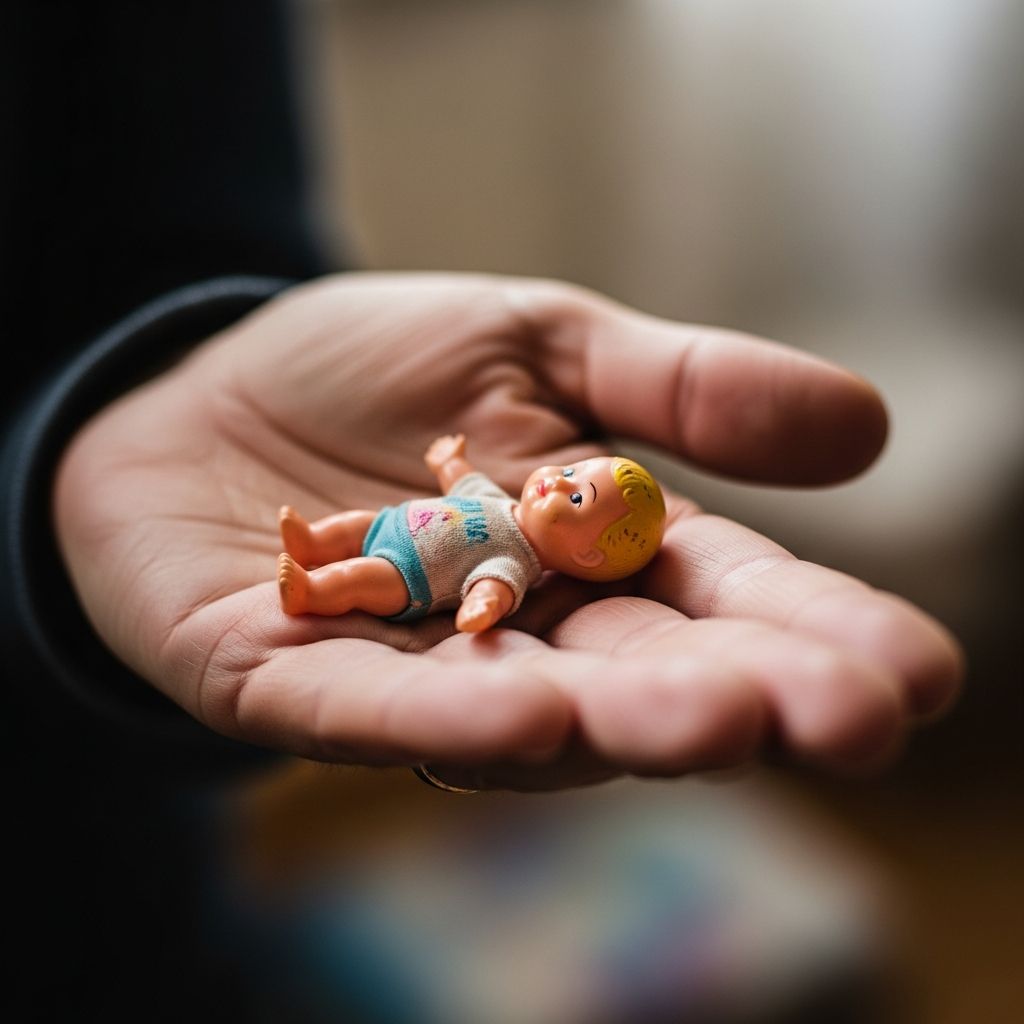
The toy at the center of this debate comes from a collectible doll line built around surprise: kids unwrap layers of packaging, clues, and accessories before revealing the doll itself. The introduction of boy characters added variety and excitement to the series, but also introduced something parents did not expect—visible male genitalia molded into the plastic figure.
In living rooms around the country, children opened these dolls and made matter-of-fact observations: the boy dolls have penises. For many kids, this was simply a curious detail that matched what they already knew about bodies from siblings, bath time, or basic health lessons. For some parents, however, the reveal triggered shock, discomfort, or anger, especially when they felt unprepared for the questions that followed.
Why A Tiny Detail Feels So Big To Adults
To adults, a simple anatomical feature on a toy often carries far more emotional weight than it does for children. Parents may immediately connect it to concerns about sexualization, modesty, or cultural and religious values around how bodies should be presented. Some worry that including genital detail on a toy aimed at young kids blurs lines between education and inappropriateness.
Yet from a child development perspective, noticing body parts and asking about them is normal, curious behavior. Children naturally explore differences between boys and girls, and they often do so without shame until adults react with either calm explanation or visible discomfort. How adults respond can shape whether children learn that bodies are factual and neutral—or secretive and embarrassing.
Normalizing Anatomy Versus Protecting Innocence
The core tension in the doll debate comes down to two competing instincts. On one side is the belief that basic anatomy is not inherently sexual, and that children should know correct terms and understand that all bodies are normal. On the other is the feeling that toys should protect a sense of childhood innocence by avoiding explicit physical details, especially in mass-market products parents might buy without close inspection.
These instincts are not mutually exclusive. Parents can simultaneously want to shield children from explicit, sexual content and still provide clear, factual information about bodies in an age-appropriate way. The challenge is that a surprise toy collapses that choice into a single moment: the child opens the doll, and the question lands in a parent’s lap ready or not.
What Kids Actually See (And How They Interpret It)
Children do not experience the world through the same lens as adults. A molded plastic penis on a doll, for many kids, is as emotionally neutral as a doll’s elbow or knee. Unless adults layer on meaning, the detail is simply another feature that helps distinguish a boy doll from a girl doll, much like short hair or a certain style of clothing.
Research on early childhood suggests that children benefit from simple, accurate information about their bodies delivered calmly and without shame. When a parent reacts with panic, disgust, or jokes, children often internalize the idea that something about that body part—or even their own body—is wrong or embarrassing. A brief, neutral explanation can instead help kids file the information away as just another fact of life.
Why Some Parents Feel Blindsided
While some toy packaging includes references to boy characters or small print noting anatomical accuracy, many parents never read those details closely. In an era of busy schedules, parents often grab familiar brands off shelves or online, trusting that anything in the toy aisle for young kids meets a certain standard of appropriateness. When a doll shows more anatomy than expected, that trust can feel broken.
The sense of being blindsided is made stronger by the surprise-unboxing format. Because the dolls are wrapped in layers of opaque packaging, parents cannot easily inspect the toy beforehand. For families who prefer to preview media, books, and toys before sharing them with their children, that lack of transparency can feel like a bait-and-switch, even if the manufacturer believes it communicated clearly in marketing or fine print.
Toy Maker Intentions And Body-Positive Messaging
Toy companies that choose anatomical detail often frame their decision as a step toward realism and inclusion. They may argue that human beings are anatomically complete, that all bodies are valid, and that hiding certain parts reinforces shame. In this view, a doll with visible genitalia serves as a quiet challenge to cultural taboos rather than an attempt to shock.
These companies frequently pair the design choice with messaging about diversity and acceptance: different skin tones, body types, abilities, and hairstyles sit alongside the idea that male and female anatomy exist and need not be secret. The underlying signal is that toys can reflect the real world in a way that treats children as capable of handling basic truths about their bodies.
Parents’ Concerns: From Modesty To Market Transparency
Parents who object to anatomically detailed dolls usually do so for a mix of reasons. Some feel the feature is unnecessary because dolls have long signaled gender through clothing and hairstyles alone. Others worry that siblings will tease or that children will take the dolls to school or daycare, where other families may have very different comfort levels.
Many parents are less angry about the anatomy itself than about the surprise factor. They argue that clear, prominent labeling on packaging and marketing materials would allow them to make informed choices, especially if their values or faith traditions emphasize modesty. The controversy, in this sense, becomes less about whether anatomical dolls should exist at all and more about how they are introduced into homes.
How This Fits Into A Larger Cultural Shift
The reaction to these dolls does not exist in isolation. It sits within a broader cultural shift in how childhood, gender, and bodies are discussed. Debates over inclusive sex education, gender-neutral toys, and representation of diverse identities in children’s media all reflect the same underlying question: how much should children know, and how early should they know it?
As social media amplifies every parenting disagreement, toy controversies quickly become symbols of larger battles about values and identity. For some, anatomically correct dolls are a step toward openness and honesty. For others, they signal yet another way the culture is encroaching on family authority. Recognizing these broader forces can help parents understand why a small object has triggered such big feelings.
Turning A Shocked Moment Into A Teaching Moment
When a child notices anatomy on a doll and asks questions, parents face an unscripted parenting test. Reacting with calm curiosity rather than alarm can shift the entire tone of the moment. Instead of scrambling to hide the toy, parents can treat the discovery as a chance to offer simple, clear, age-appropriate information.
Key goals in that conversation include reinforcing that bodies are normal, introducing or repeating correct terms for body parts if the family uses them, and laying groundwork for later lessons about privacy and consent. A short, grounded conversation now can make future, more complex talks about puberty and sexuality less intimidating for both parent and child.
- Stay neutral: Use matter-of-fact language and avoid jokes or visible disgust.
- Answer briefly: Offer simple explanations and stop when the child seems satisfied.
- Connect to privacy: Remind kids that some body parts are private and deserve respect.
- Invite more questions: Let children know they can always come back if they are curious again.
Practical Talking Points By Age
Parents often want concrete scripts. While every child and family is different, a few age-based guidelines can make these conversations feel less daunting. The idea is not to deliver a lecture but to match the explanation to the child’s developmental stage.
| Age Range | Likely Question | Possible Parent Response |
|---|---|---|
| 3–5 years | “Why does this doll look different?” | “Some bodies have a penis and some don’t. This doll is made to look like a boy’s body.” |
| 6–8 years | “Are dolls supposed to have private parts?” | “The toy makers decided to show them. Bodies have private parts in real life too, and we keep those covered except with trusted adults like parents or doctors.” |
| 9–11 years | “Why are people arguing about this online?” | “Some adults feel it’s good to be honest about bodies. Others think toys shouldn’t show that much detail. Different families make different choices.” |
Choosing Toys That Fit Your Family Values
Not every family will feel comfortable with anatomically detailed dolls, and that is okay. Parents do not have to accept every cultural trend in order to raise well-adjusted, informed children. What matters most is intentionality: choosing toys, books, and media that align with your values and being prepared to explain your decisions in a way that does not shame your child’s natural curiosity.
For some households, that might mean allowing these dolls but talking explicitly about where and how they are played with. For others, it might mean keeping such toys out of the home while still using opportunities in daily life to teach proper names for body parts and basic body boundaries. Either way, the ultimate responsibility belongs with parents, not manufacturers or social media commentators.
Guidelines For Calm, Confident Conversations
Parents who feel caught off guard often worry they will say the wrong thing. The goal is not perfect phrasing but a tone of respect and openness. Children remember how adults made them feel even more than the specific words used.
- Prepare a simple phrase: A short explanation like “that’s how some bodies look” can buy time to think.
- Avoid panic reactions: Sudden grabbing, hiding, or shaming teaches kids that bodies are scary or wrong.
- Model respect: Talk about the doll’s anatomy in the same respectful way you want children to talk about their own bodies.
- Keep the door open: End with “If you think of more questions later, you can always ask.”
Looking Ahead: What This Debate Might Change
Controversies like this often push companies and consumers to clarify expectations. Toy makers may rethink how prominently they label anatomical features, how they balance surprise with transparency, and how they communicate the educational or representational goals behind their designs. Retailers may adjust how products are grouped or described online to give parents more insight before they buy.
On the family side, this kind of public discussion can serve as a wake-up call: children’s products are never a substitute for parental guidance. Whether or not a family chooses to embrace anatomically correct dolls, the underlying issues—body literacy, consent, privacy, and respect—remain central to raising confident, informed kids.
Frequently Asked Questions
Are anatomically correct dolls appropriate for young children?
Appropriateness depends largely on context and family values. For many experts in child development, a simple representation of anatomy without sexual content can be acceptable for young children, especially when paired with calm, factual explanations. Parents who are uncomfortable can reasonably choose different toys while still making sure their children learn accurate, shame-free information about their bodies from trusted adults.
Do these dolls sexualize children?
A molded anatomical detail on its own is not sexual content; it becomes sexualized only through the meaning adults attach to it. The primary concern for parents should be the overall context in which toys, media, and conversations appear. Teaching children that bodies are normal and private, without turning body parts into taboo subjects, helps prevent confusion between healthy body knowledge and inappropriate sexualization.
How can I explain to my child why some families are upset by these dolls?
One simple approach is to acknowledge that different families have different rules and comfort levels. You might say that some adults think toys should be very simple and not show much detail, while others believe it is fine for dolls to look more like real bodies. Emphasizing respect for other families’ choices helps children understand that disagreement does not require ridicule or defensiveness.
What if I already bought the doll and regret it?
It is possible to change course without turning the situation into a crisis. You could redirect the toy to private at-home play, put it away for when your child is older, or even donate or discard it if it truly conflicts with your values. Explaining briefly that you made a decision based on what feels right for your family, without shaming the child’s curiosity or interest, keeps the focus on your responsibility as a parent rather than on fear or embarrassment.
How can this controversy help me parent better?
Even if the specific doll never enters your home, the debate is a reminder to think proactively about body talk, privacy rules, and media choices. Having a few go-to phrases ready for unexpected questions, reading labels more carefully, and discussing values with co-parents or caregivers can make future surprises feel less overwhelming. Ultimately, the most powerful influence on how your child understands their body is not a toy, but the steady, calm presence of an adult who is willing to listen and respond.