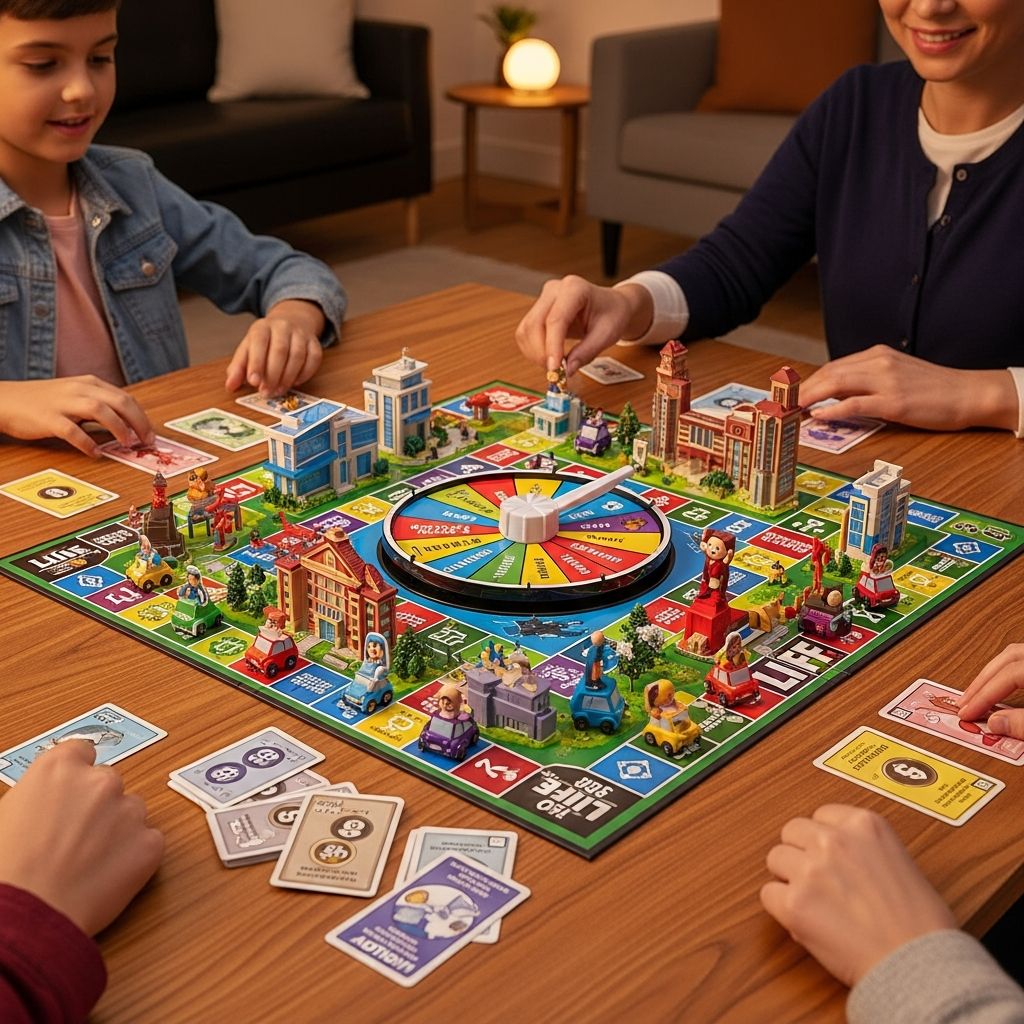
In an era defined by economic turbulence and evolving social norms, the quintessential American family—two parents and two children—has become a symbol not of idyllic suburbia, but of relentless pressure. Once celebrated in media and culture, this family unit now grapples with affordability crises, emotional exhaustion, and structural shifts that make everyday life feel unsustainable. Drawing from recent national surveys and expert analyses, this article delves into the core struggles, offering a roadmap for resilience.
Economic Burdens Crushing Family Dreams
The most pressing issue for American families is the escalating cost of child-rearing, with nearly half of respondents in a major 2025 survey identifying it as the top challenge.49% of Americans rank family-raising expenses among the top three problems facing households nationwide, a sharp rise from 33% in 2023. This concern spans political affiliations, income brackets, and demographics, uniting even high earners who feel the pinch acutely.
Key cost drivers include housing, childcare, healthcare, and education. Housing affordability tops family worries, with 25% citing it directly, exacerbated by stagnant wages against inflating home prices. Childcare alone can consume 20-30% of a dual-income household’s budget, forcing many into tough choices like reduced work hours or debt accumulation. For a family of four, annual expenses often exceed $250,000 in high-cost areas, far outpacing median household incomes hovering around $75,000.
| Expense Category | Average Annual Cost (Family of 4) | % of Median Income |
|---|---|---|
| Housing | $24,000 | 32% |
| Childcare (2 kids) | $20,000 | 27% |
| Healthcare | $12,000 | 16% |
| Education/Activities | $8,000 | 11% |
| Total | $64,000+ | 85%+ |
This table illustrates how basics devour budgets, leaving little for savings or leisure. Economic pressures have eclipsed cultural debates, with financial woes selected over family violence or instability by wide margins.
Parental Work Demands and Burnout Epidemic
High work demands rank as the third-biggest family issue, affecting 25% of respondents. Dual-income necessities mean parents juggle 50+ hour workweeks with school runs and household chores, leading to widespread burnout. In 2026, modern motherhood highlights rising mental loads—tracking schedules, meals, and appointments—often falling disproportionately on women.
- Increased emotional labor: Managing family feelings amid career pressures.
- Technology overload: Constant pings from work emails and kid apps erode downtime.
- Burnout culture: Societal expectations of ‘supermom’ or ‘super dad’ fuel exhaustion.
Mothers are pioneering ‘digital boundaries,’ like device-free family hours, to reclaim sanity. Yet, 70% express concerns over child-rearing affordability, amplifying stress as remote work blurs home-office lines.
Shifting Family Dynamics and Health Struggles
While national views fixate on economics, personal family concerns pivot to health and relationships. 31% cite mental or physical health issues in their own homes, surpassing costs (25%). Rising neurodiversity diagnoses—ADHD, autism, anxiety—affect record numbers of children, demanding specialized parenting.
Family tension follows at 21%, often stemming from financial discord or divided responsibilities. The Heritage Foundation notes declining marriage stability contributes, with fewer children experiencing two-parent homes, correlating to poorer educational and economic outcomes. Fertility rates plummet as opportunity costs soar—careers, travel, self-care now compete fiercely with parenting.
Government overreach compounds this: Spending at 35% of GDP and $270,000 household debt burdens stifle family formation. Regulations hinder single-earner viability and entrepreneurial ventures families once relied on.
Home Design’s Unexpected Role in Family Strain
Modern open floor plans, once trendy, now amplify chaos for families of four. Lacking private spaces, noise and clutter invade every corner, heightening irritability. Surveys show 25% blame housing designs alongside costs. Families crave nooks for homework, quiet play, or parental recharge—elements scarce in open layouts.
Rising Neurodiversity and Parenting Adaptations
2026 sees parents navigating a ‘neurodiverse generation’ with empathy over judgment. Trends include:
- Shared responsibilities: Partners dividing mental loads more equitably.
- Self-prioritization: Moms embracing ‘soft living’—rest over perfection.
- Systems building: Apps and routines to manage sensory needs and schedules.
This shift fosters resilience but underscores support gaps, like affordable therapies or inclusive schools.
Policy Failures and Calls for Reform
Experts urge family-centric policies: childcare subsidies, housing incentives, marriage-penalty removals in welfare. The Heritage report frames family restoration as national security, targeting infertility, education, and stability. Without action, deaths may outpace births, hollowing communities.
Practical Strategies for Thriving Amid Chaos
Families aren’t doomed—strategic adaptations help:
- Budget ruthlessly: Prioritize needs; explore co-ops for childcare.
- Set boundaries: No-work zones post-6 PM; weekly family unplug days.
- Build networks: Community swaps for meals, playdates reduce isolation.
- Seek support: Therapy for neurodiversity; employer flexibility programs.
- Redefine success: Value presence over possessions.
These steps counter systemic woes, fostering joy in the ‘typical’ setup.
Frequently Asked Questions (FAQs)
What is the biggest challenge for American families of four?
The cost of raising children tops lists at 49%, followed by parental work stress and health issues.
How has concern over family costs changed recently?
It doubled from 33% in 2023 to 49% in 2025, crossing all demographics.
Why do personal family concerns differ from national views?
People see economics broadly but feel health (31%) and tensions (21%) at home more acutely.
Are open floor plans problematic for families?
Yes, they lack privacy, worsening noise and stress in multi-kid homes.
What policies could help families?
Childcare aid, housing reforms, and ending marriage penalties in welfare.
References and Further Reading
Armed with data, families can reframe struggles as solvable. Prioritize what matters: connection over consumption.
References
- Top Issues Facing Families 2025 — American Family Survey, BYU. 2025. https://americanfamilysurvey.byu.edu/top-issues-facing-families-2025
- Modern Motherhood in 2026: Trends, Truths & What Actually Matters — The Princess and the Prosthetic Blog. 2026-01-10. https://theprincessandtheprostheticblog.com/2026/01/10/modern-motherhood-in-2026-trends-truths-what-actually-matters/
- American Families in an Era of Rapid Change — YouTube (American Family Survey discussion). 2026. https://www.youtube.com/watch?v=BC97gspG6Ps
- Saving America by Saving the Family — The Heritage Foundation. 2026-07-04. https://www.heritage.org/family/saving-america-by-saving-the-family
- Saving America by Saving the Family: A Foundation for the Next 250 Years — The Heritage Foundation. 2025. https://www.heritage.org/marriage-and-family/report/saving-america-saving-the-family-foundation-the-next-250-years
- ‘Should Be Top Priority’: New Report Urges Government to Invest in American Family — CBN News. Undated (2026 context). https://cbn.com/news/us/should-be-top-priority-new-report-urges-government-invest-american-family
- Open Floor Plans Are Killing the American Family — Institute for Family Studies. Undated. https://ifstudies.org/in-the-news/open-floor-plans-are-killing-the-american-family
- Heritage Foundation Issues Report on ‘America’s Family Crisis’ — Michigan Independent. Undated (2026). https://michiganindependent.com/politics/heritage-foundation-report-families-marriage-education-infertility-fetal-personhood/