In an era dominated by relentless schedules and productivity demands, the concept of a relaxed summer feels revolutionary. Families often face pressure to enroll children in endless camps, lessons, and outings, but emerging insights from child psychology reveal that intentional slowness during these months can profoundly benefit young minds and family dynamics. This approach prioritizes free play, rest, and genuine connections over structured achievements, leading to healthier emotional development and cherished memories.
The Developmental Imperative of Downtime
Children’s brains and bodies undergo significant strain from the school year’s demands, including academic pressures, social navigation, and extracurricular commitments. A deliberate slowdown in summer provides a vital reset. Research highlights that unstructured time allows neural pathways associated with creativity and problem-solving to flourish, countering the fatigue accumulated over ten months of routine.
Unhurried periods enable kids to process emotions without the rush of deadlines. When free from constant stimulation, they learn self-regulation by navigating boredom, which experts describe as a catalyst for innovation. Rather than viewing idleness as wasted time, it becomes a space for internal exploration, fostering independence and intrinsic motivation.
Unlocking Creativity Through Boredom
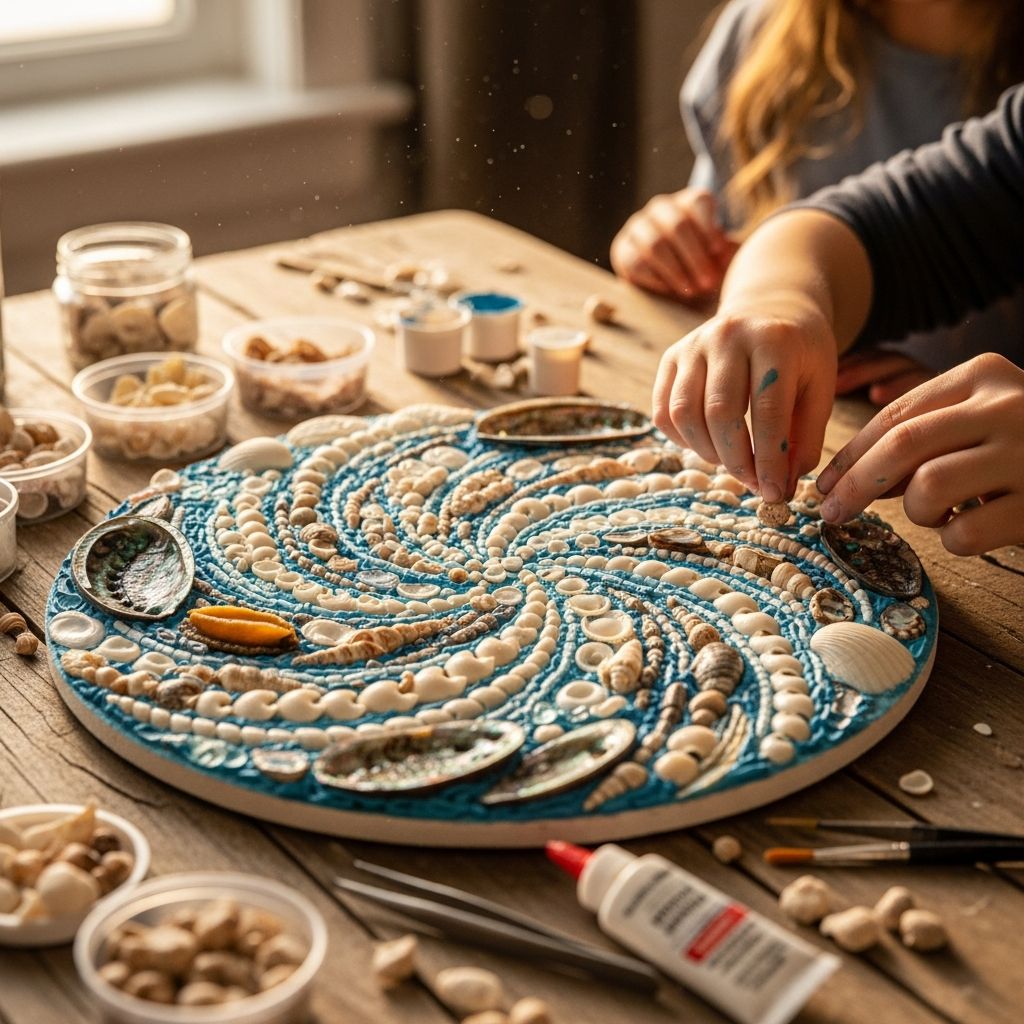
- Boredom as a Creativity Spark: Without programmed activities, children invent games from everyday items like sticks or boxes, honing imagination skills sidelined during structured learning.
- Problem-Solving Growth: Facing ‘nothing to do’ prompts kids to generate solutions, building confidence and resilience essential for lifelong learning.
- Reduced Screen Reliance: Limiting digital escapes encourages real-world engagement, preventing the numbing effect of endless content consumption.
Psychologists note that this phase is particularly potent during middle childhood (ages 9-12), when identity formation accelerates. Free exploration helps children discover passions organically, away from adult-directed goals.
Building Emotional Strength and Social Bonds
A slow summer nurtures emotional intelligence by giving children room to experience and manage feelings like frustration or joy without intervention. This safe failing and recovery process equips them with tools for adulthood, enhancing frustration tolerance and self-awareness.
Peer interactions thrive in unstructured settings too. Unsupervised bike rides, fort-building, or casual chats allow organic conflict resolution and friendship deepening, skills less developed in coached environments.
| Structured Activities | Unstructured Downtime |
|---|---|
| Adult-led, goal-oriented | Child-initiated, process-focused |
| Limited emotional processing time | Ample space for feelings and recovery |
| Scheduled social interactions | Organic relationship building |
| Risk of burnout | Rest and recharge opportunity |
This table illustrates key contrasts, underscoring how balance favors well-rounded growth.
Strengthening Family Connections
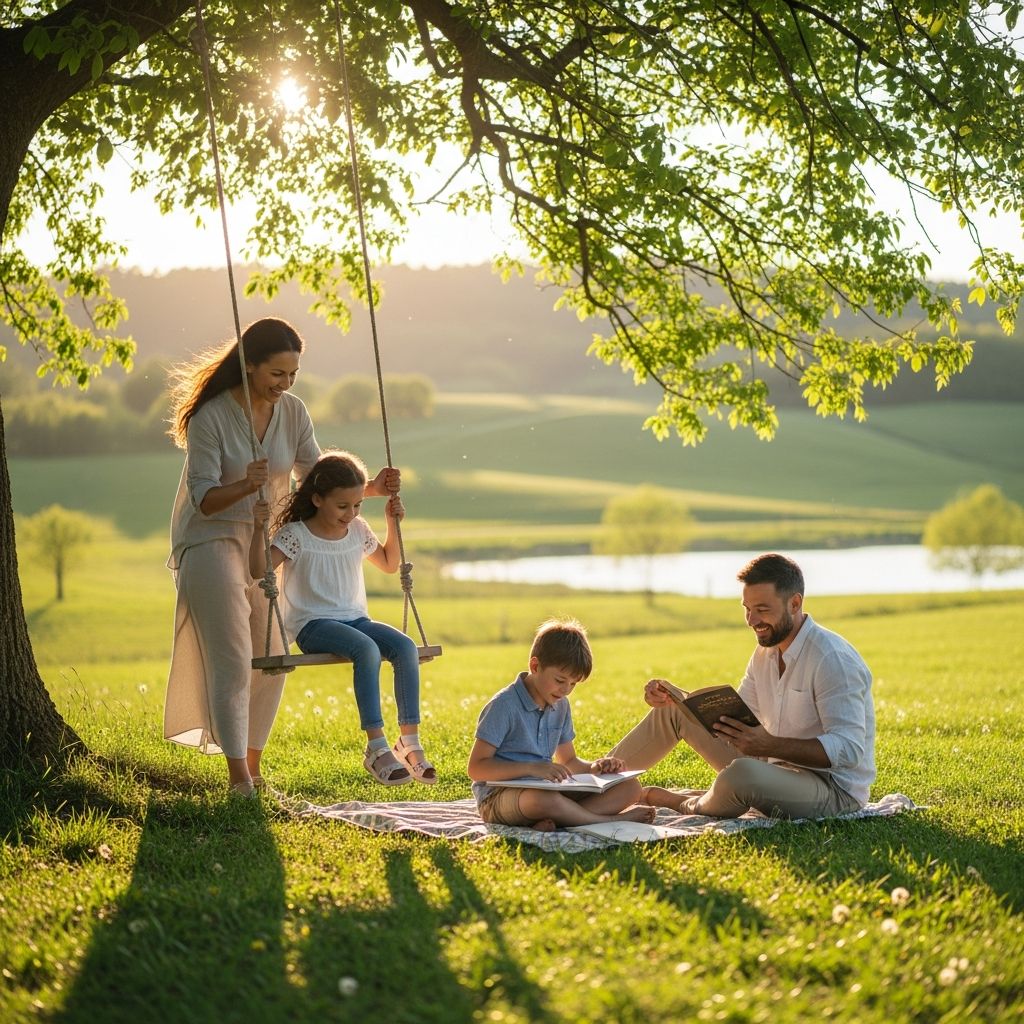
Summers offer rare windows for parents and children to reconnect amid longer days and milder weather. With fewer obligations, families can savor simple rituals like backyard picnics or evening strolls, creating enduring bonds. Parents often reflect that their fondest memories stem from such low-key moments, not trophy-filled agendas.
This period also allows reevaluation of priorities. Dialing back reveals natural family rhythms, promoting harmony and reducing logistical stress. For instance, extended play sessions reveal children’s true interests, guiding future decisions more authentically.
Practical Strategies for a Balanced Slow Summer
Implementing slowness doesn’t require total idleness; it’s about curation. Start with a loose weekly framework:
- Mornings for pajamas and home-based creativity, like blanket forts or drawing.
- Afternoons for outdoor freedom, such as sprinkler play or neighborhood wanderings.
- One or two short camps, buffered by ample free days.
- Screen limits to one hour daily, replaced by family games or reading.
- Nature outings without itineraries to spark curiosity.
Address resistance by validating boredom complaints while gently redirecting: ‘What could we make from these recyclables?’ This builds agency. For working parents, carve micro-moments like device-free dinners or park visits.
Consider developmental stages:
- Younger kids (4-8): Emphasize sensory play and parental proximity for safety.
- Tweens (9-12): Grant more autonomy to boost identity.
- Teens: Blend freedom with light guidance to counter academic stress.
Navigating Challenges and Societal Pressures
Society glorifies busyness, equating it with success, but this overlooks long-term costs like anxiety. Parents may fear ‘regression,’ yet evidence shows unstructured time prevents it by promoting intrinsic drive.
Equity matters: Not all families have safe spaces or flexibility. Adapt by prioritizing pockets of calm, like weekend slowdowns, avoiding guilt. Community swaps—trading yard access or playdates—can help.
Redefining Summer Success
True victories lie in intangible gains: resilient kids comfortable in stillness, families bonded through presence, and parents recharged. At summer’s end, reflect on laughter shared, not skills acquired. This shift cultivates children who value being over doing.
Frequently Asked Questions
What if my child gets bored and whines?
Embrace it as a growth moment. Offer open-ended prompts like art supplies, then step back to let their ideas emerge. This teaches self-entertainment.
How do I limit screens effectively?
Set family rules: screens only post-outdoor time or as co-viewing. Frame free play as the exciting default to shift mindsets.
Is unstructured time safe for all ages?
Yes, with age-appropriate supervision. Younger children need oversight; older ones benefit from measured independence to avoid risks.
Can a slow summer impact school readiness?
Positively—rest enhances focus and creativity, countering summer learning loss through play-based gains.
What about working parents?
Integrate slowness via routines like morning walks or evening reads. Partner with neighbors for shared downtime.
References
- The Power of a Slow Summer: Why Kids Need Time to Just Be — Tammy Schamuhn, Institute of Child Psychology. 2025-05-27. https://instituteofchildpsychology.com/the-power-of-a-slow-summer-why-kids-need-time-to-just-be/
- The Gift of a Slow Summer: Why Boredom is Beautiful — Tania Johnson, Institute of Child Psychology. 2025-07-22. https://instituteofchildpsychology.com/the-gift-of-a-slow-summer-why-boredom-is-beautiful/
- Is it so bad to let kids ‘rot’ all summer? Why boredom might be the best thing for your kids — ABC News. 2025 (approx.). https://abcnews.go.com/GMA/Family/bad-kids-rot-summer-boredom-break/story?id=122987997
- 7 Reasons to Slow Down During the Summer — Becoming Minimalist. Recent (post-2020). https://www.becomingminimalist.com/7-reasons-to-slow-down-during-the-summer/
- The Effects of Summertime Experiences on Children’s Development — NCBI Bookshelf, National Center for Biotechnology Information. Ongoing. https://www.ncbi.nlm.nih.gov/books/NBK552668/