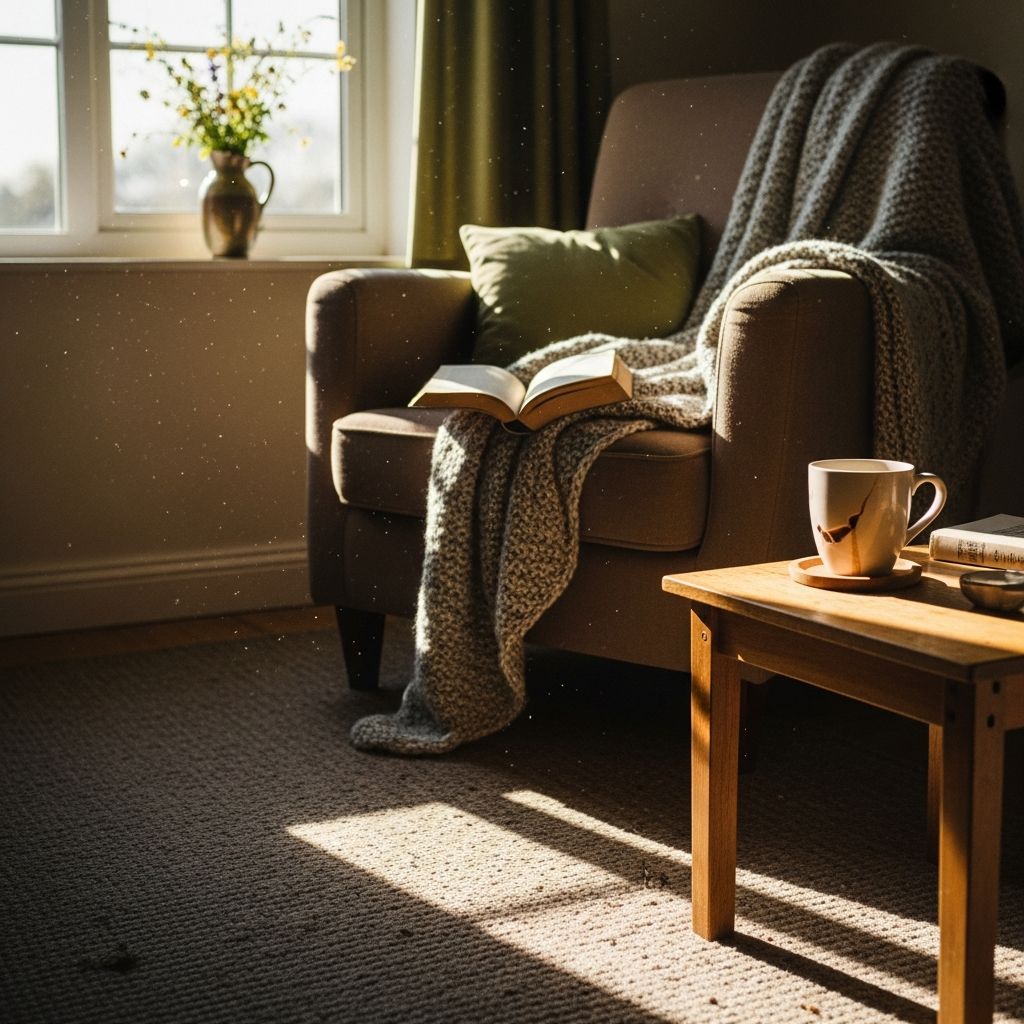
A home’s true worth lies not in its polished counters or designer decor, but in the warmth, security, and affection it nurtures. Families thrive in spaces buzzing with life, where toys scatter across floors and crayon marks adorn walls, proving that love transforms ordinary houses into extraordinary havens.
Embracing the Beauty in Everyday Mess
Modern parenting often grapples with the pressure to maintain Instagram-worthy homes. Social media floods feeds with spotless kitchens and organized playrooms, fostering unnecessary guilt among parents whose realities include spilled juice and unfolded laundry. Yet, research from child development experts highlights that children flourish in environments rich with sensory experiences, not sterile perfection. A cluttered floor invites imaginative play, turning a simple living room into a kingdom of adventure.
Consider the developmental benefits: toys left out encourage creativity and problem-solving. The American Academy of Pediatrics notes that unstructured play in familiar, safe spaces boosts cognitive growth and emotional resilience in young children. Rather than rushing to tidy every evening, allowing some mess fosters independence as kids learn to navigate their world. This shift in mindset—from chaos as failure to chaos as vitality—liberates parents to savor moments over scrubbing.
Building Routines That Foster Peace Amid Chaos
While embracing mess has merits, simple routines can harmonize household hustle without demanding flawlessness. Start small: designate a ‘reset ritual’ post-meals, where family members collaboratively clear tables and sweep. This not only maintains basic order but instills teamwork and responsibility in children from toddlerhood.
- Morning Launch Pad: Pack lunches and bags the night before to ease dawn rushes.
- Meal-End Magic: Quick wipes and dishwasher loads keep counters functional.
- Bedtime Wind-Down: Fold laundry while stories unfold, blending chores with bonding.
- Bath Time Bonus: Wipe surfaces during splish-splash play for dual productivity.
These habits, drawn from family management studies by the CDC, reduce stress and create predictable rhythms that children crave for emotional security. Parents report feeling more ‘in control’ not through total tidiness, but through consistent, bite-sized actions that accumulate into a serene atmosphere.
The Essential Pillars of a Loving Home
Beyond aesthetics, a home’s foundation rests on four pillars: safety, warmth, nourishment, and love. Safety means childproofed outlets and gates, not marble floors. Warmth comes from cozy blankets and family movie nights, not central heating alone. Nourishment fills bellies with home-cooked meals, regardless of kitchen style. Love echoes in laughter and hugs, painting the richest decor.
| Pillar | Why It Matters | Practical Examples |
|---|---|---|
| Safety | Protects health and builds trust | Secure furniture, smoke alarms, locked cabinets |
| Warmth | Nurtures comfort and belonging | Soft lighting, plush seating, shared blankets |
| Nourishment | Fuels growth and family rituals | Daily meals together, fresh ingredients |
| Love | Strengthens bonds and resilience | Daily affirmations, playtime, attentive listening |
These elements, supported by longitudinal family studies from Harvard’s Grant Study, correlate with lifelong happiness more than material luxury.
Memories Over Manicures: Stories from Real Families
Every home holds tales that outshine any showroom. Picture the couple who, fresh from their honeymoon, crashed on floor mattresses in their new abode, giddy with ownership’s thrill. Or the parent wiping bath splashes while tiny feet kick bubbles, stealing giggles amid suds. These vignettes remind us: memories etch in moments, not maintenance.
One family recounts transforming a modest rental into a memory palace through weekend fort-building and holiday craft marathons. Walls bear faint marker art from ‘masterpieces,’ floors host pillow mountains from epic battles. Far from pristine, this space pulses with joy. Similarly, a single mom shares how nightly story hours on a lumpy couch wove unbreakable sibling ties, proving budget homes birth boundless love.
Psychological insights from the Journal of Family Psychology affirm that shared activities in imperfect settings enhance attachment and self-esteem, trumping opulent isolation.
Overcoming Societal Pressure for Picture-Perfect Living
Society’s glossy standards breed comparison traps. Parenting forums brim with tales of exhaustion from endless cleaning to impress guests. Break free by curating your home’s narrative: invite friends for potlucks where dishes pile high, prioritizing connection over counters.
Reframe ‘mess’ as ‘life in progress.’ A toy-strewn room signals active imaginations; unfolded laundry means play outweighed chores. The World Health Organization emphasizes mental well-being in parenting, advocating balance over burnout. Set boundaries: one tidy zone for guests, rest as family playground.
Practical Strategies for Joyful, Functional Homes
To blend love with livability:
- Zone It Out: Designate play, work, and rest areas to contain chaos.
- Family Chore Chart: Age-appropriate tasks build skills and share load.
- Declutter Mindfully: Donate unused items quarterly to breathe easy.
- Tech-Free Evenings: Gather for games or talks to deepen bonds.
- Self-Care Slots: 15 minutes daily for parents to recharge.
These steps, inspired by evidence-based home organization from Cornell University family life extensions, sustain harmony without perfectionism.
Frequently Asked Questions
How can I stop feeling guilty about a messy home?
Refocus on priorities: prioritize child engagement over spotless floors. Journal three daily ‘wins’ like shared laughs to shift perspective.
Is a small home bad for kids’ development?
No—quality interactions matter more than square footage. Outdoor parks and community spaces supplement indoor play effectively.
What if guests judge my home’s imperfections?
True friends value you over your space. Preempt with humor: ‘Welcome to our happy chaos!’
How do routines help without becoming overwhelming?
Keep them flexible and short; involve kids for buy-in. Adjust as family needs evolve.
Can a loving home prevent burnout?
Yes, by emphasizing rest and connection. Studies show balanced homes lower parental stress significantly.
Creating Traditions That Last a Lifetime
Anchor your home in traditions: Friday pizza nights, seasonal decor crafts, or gratitude circles at dinner. These rituals, regardless of decor, forge identity and continuity. Families who partake report stronger unity, per Pew Research family dynamics surveys.
Expand with personalized touches—a ‘memory wall’ of photos, handwritten notes in lunchboxes. These low-cost gems elevate any dwelling into a legacy of love.
In essence, homes shine brightest when lived in fully. Ditch the quest for pristine; embrace safe, warm, loving spaces where families grow, laugh, and love unbound. Your house, in all its beautiful imperfection, is precisely perfect for the life within.
References
- The Importance of Play in Promoting Healthy Child Development — American Academy of Pediatrics. 2018-03-01. https://publications.aap.org/pediatrics/article/142/3/e20182058/38649/The-Importance-of-Play-in-Promoting-Healthy-Child
- Family Routines and Child Outcomes — Centers for Disease Control and Prevention. 2023-07-15. https://www.cdc.gov/violenceprevention/aces/fastfact.html
- Harvard Study of Adult Development — Harvard University. 2023-10-01. https://www.adultdevelopmentstudy.org
- Home Environment and Child Attachment — Journal of Family Psychology. 2022-05-12. https://psycnet.apa.org/doiLanding?doi=10.1037%2Ffam0000987
- Mental Health of Parents and Caregivers — World Health Organization. 2024-02-20. https://www.who.int/news-room/fact-sheets/detail/mental-health-strengthening-our-response
- Family Home Management Tips — Cornell University Cooperative Extension. 2025-01-10. https://nifa.usda.gov/topics/family-home-management