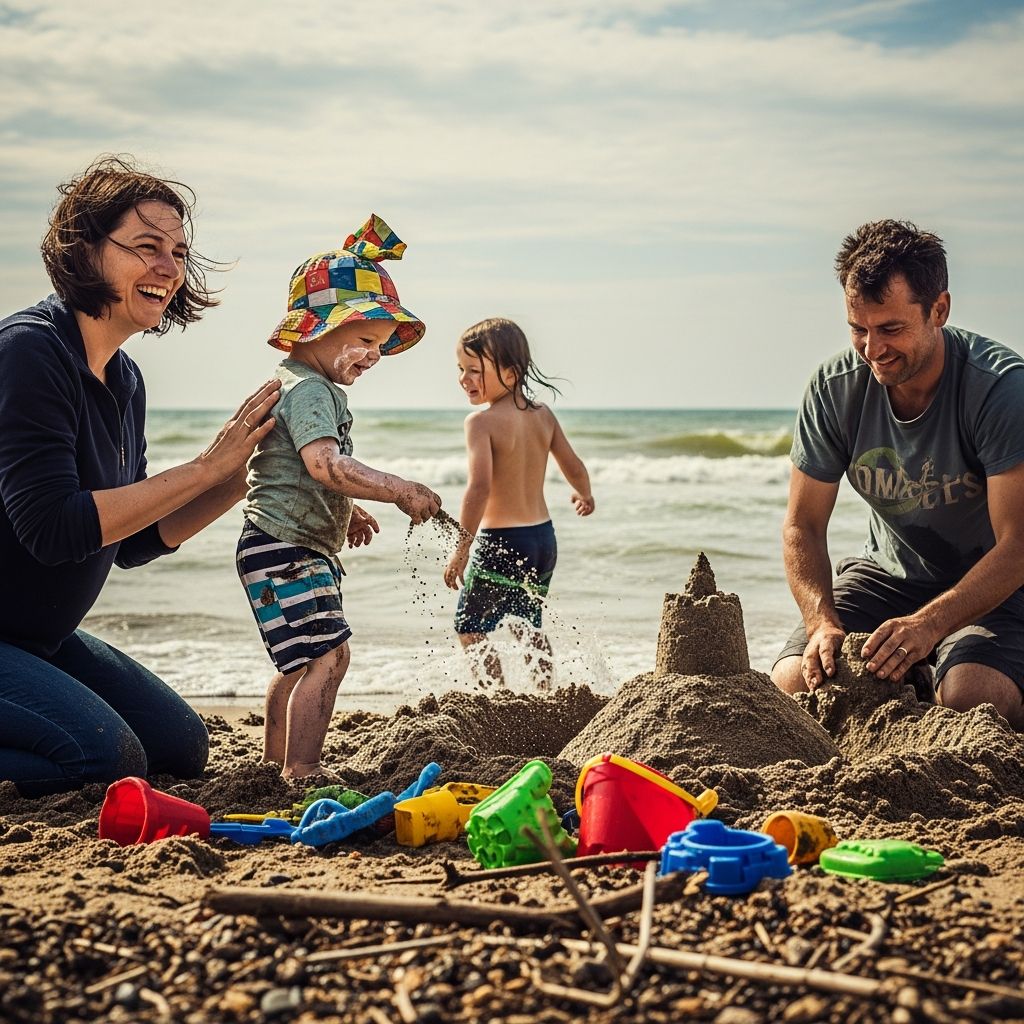
Summer arrives with promises of adventure, but for many parents, it brings overwhelming expectations of epic trips, craft marathons, and Instagram-worthy moments. In reality, the most valuable summers are those that prioritize rest, unstructured play, and genuine connection over perfection. This approach not only reduces parental stress but also nurtures children’s creativity and emotional growth.
Challenging the Myths of an “Ideal” Summer
Society bombards parents with images of flawless vacations and non-stop activities, creating guilt for those who can’t keep up. Yet, research shows that constant structure can hinder the very benefits summer provides, like fostering independence and imagination. Let’s debunk common misconceptions.
- Endless outings are essential: While a few local explorations spark joy, daily expeditions exhaust everyone. Simple backyard adventures suffice for lasting memories.
- Social media defines success: Filtered photos distort reality; real summers include messy, unposed moments that build authentic bonds.
- Structured schedules must replace school: Filling days with camps and classes ignores the value of downtime for self-discovery.
By releasing these pressures, families reclaim summer as a season of renewal rather than a performance.
The Hidden Benefits of Unstructured Time for Children
Extended free time acts like a mental reset, allowing kids to explore passions beyond rigid curricula. Studies highlight how summer break enhances creativity, a skill often sidelined in formal education. Children invent games, pursue hobbies, and solve problems independently, building resilience and innovation.
Consider the “summer slide” debate: while academic retention may dip, gains in social skills, physical health, and emotional regulation compensate. Wealthier families might access enrichment, but equitable access to parks and libraries can bridge gaps without eliminating breaks.
| Structured Summer | Unstructured Summer |
|---|---|
| Scheduled camps, lessons | Free play, self-directed projects |
| Risk: Burnout, high costs | Benefit: Creativity boost, low cost |
| Outcome: Resume padding | Outcome: Lifelong skills |
This table illustrates why simplicity trumps overload, promoting holistic development.
Parental Well-Being: The Foundation of Family Joy
Parents bear the brunt of summer planning, often at the expense of their own recharge. Allowing “nothing” days—where kids entertain themselves—frees adults to rest, read, or pursue personal interests. This modeling teaches children balance and self-sufficiency.
Guilt over unstructured time is common, yet experts advocate for it. A study from the American Psychological Association notes that downtime reduces anxiety in both children and adults, improving family dynamics long-term. Prioritizing parental mental health ensures sustainable parenting.
Practical Strategies for a Balanced Summer
Creating a low-key summer doesn’t mean chaos; it means intentional looseness. Start with loose guidelines:
- Designate “free play zones” like the backyard or local park for daily unstructured hours.
- Curate a summer jar of simple prompts: “build a fort” or “stargaze.”
- Limit screens to encourage real-world exploration, aligning with pediatric recommendations for outdoor time.
- Schedule one family “highlight” per week, like a picnic, to satisfy adventure urges without overwhelm.
Track progress not by checklists but by family check-ins: Are we laughing more? Sleeping better? Adjust as needed for a tailored experience.
Addressing Equity and Access in Summer Breaks
Not all families enjoy equal summer opportunities. Working parents juggle childcare, and lower-income households face resource barriers. Solutions include community programs, library events, and policy advocacy for affordable camps. Rather than year-round school—which risks stifling creativity for all—invest in inclusive summer supports.
Government initiatives like the U.S. Department of Education’s 21st Century Community Learning Centers provide free enrichment, proving structured breaks can benefit everyone when accessible.
Long-Term Impacts: Why Downtime Matters
Summers of simplicity yield innovators and happy adults. Historical data links extended breaks to U.S. cultural and technological leadership, as unstructured time sparks originality. Children who experience boredom learn to self-entertain, a vital life skill amid rising youth mental health concerns.
Conversely, perpetual busyness correlates with higher stress. A World Health Organization report on child well-being emphasizes play’s role in cognitive and social growth, underscoring summer’s irreplaceable value[relevant WHO child development guidelines].
Frequently Asked Questions
Is it okay if my kids get bored during summer?
Absolutely. Boredom sparks creativity and problem-solving, key to development. Provide loose boundaries, but let them lead.
How do I handle working parent challenges?
Combine short camps with family neighbors or community programs. Focus on quality evenings over quantity activities.
What if social media makes me feel inadequate?
Curate your feed or take breaks. Measure success by your family’s energy, not others’ highlights.
Does unstructured summer hurt academics?
Short-term dips occur, but long-term creativity gains outweigh them. Supplement with reading incentives.
Can a “good enough” summer truly recharge us?
Yes—rest and connection restore more than packed itineraries, per family wellness studies.
Real Family Stories: Proof in the Simplicity
Take Sarah, a mom of three: She ditched grand plans for weekly nature walks and home experiments. Her kids now invent stories daily, and she feels renewed. Or Mike, whose “lazy summer” included board games and grilling—his family reports stronger bonds than ever.
These anecdotes echo research: Simplicity fosters flourishing.
References
- In Defense of Summer Vacation — Benjamin Studebaker. 2013-08-10. https://benjaminstudebaker.com/2013/08/10/in-defense-of-summer-vacation/
- Did you give your kids a good enough summer? — Today’s Parent. N/A. https://www.todaysparent.com/family/activities/did-you-give-your-kids-a-good-enough-summer/
- In Praise of Summer Vacation (Opinion) — Education Week. 2016-07. https://www.edweek.org/teaching-learning/opinion-in-praise-of-summer-vacation/2016/07
- In Defense of Simplifying Summer for Kids — The Everymom. N/A. https://theeverymom.com/simple-summer-for-kids/
- Living within limits: Unburdening summertime to promote flourishing — CAFO. N/A. https://cafo.org/living-within-limits-unburdening-summertime-to-promote-flourishing/
- 21st Century Community Learning Centers — U.S. Department of Education (.gov primary source). 2023 (last updated). https://www.ed.gov/grants-and-programs/out-of-school/21st-cclc