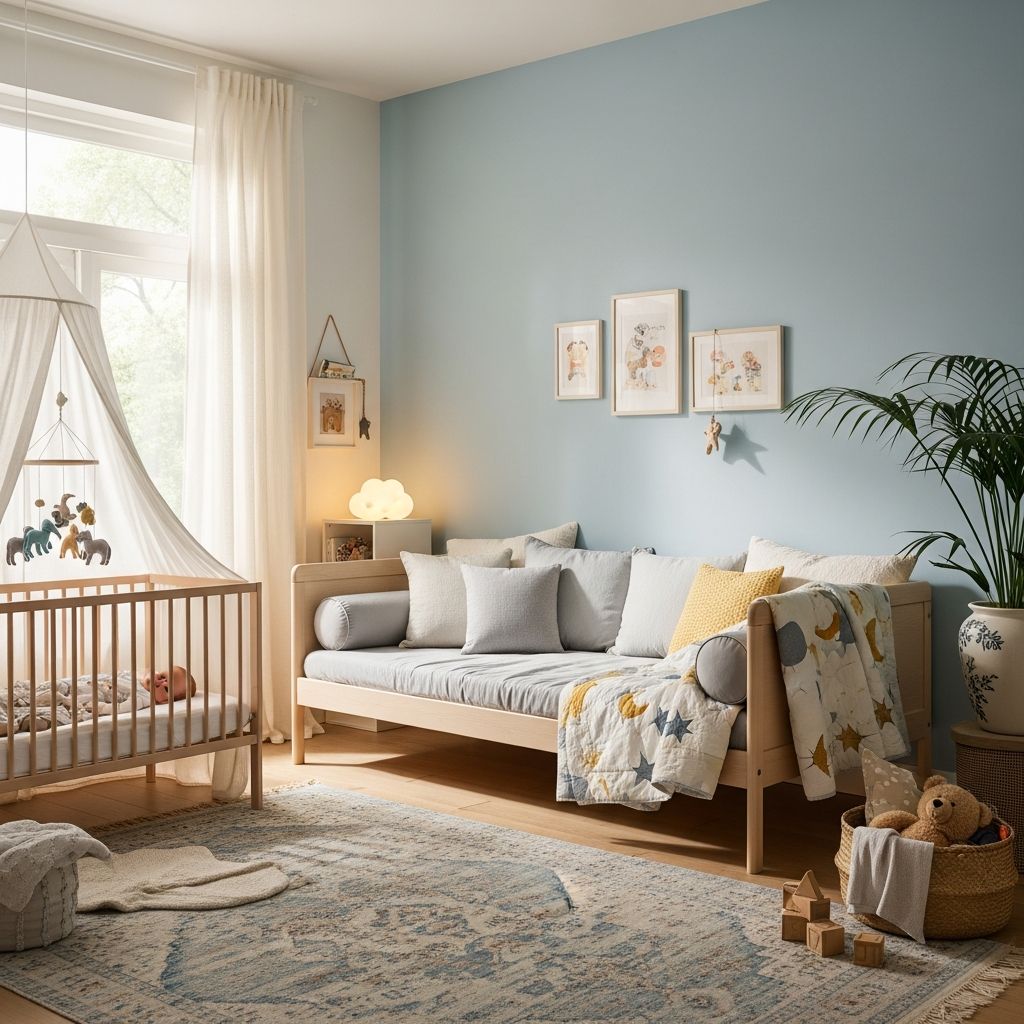
Why a Daybed Belongs in Every Nursery
A daybed is more than just a piece of furniture—it’s a solution for families seeking comfort, flexibility, and style in their nursery. Whether you’re a new parent, a caregiver, or simply looking to maximize your space, a daybed can serve as a cozy spot for rest, a guest bed, and even a transition bed for your growing child.
Key Benefits of a Nursery Daybed
- Provides a comfortable place for parents to rest while caring for their baby, especially during late-night feedings or sleepless nights.
- Offers a convenient sleeping area for guests, babysitters, or grandparents, making your nursery a versatile space.
- Acts as a transitional bed for toddlers moving out of a crib, ensuring long-term use and value.
- Maximizes space in smaller rooms by combining seating and sleeping functions in one piece.
- Can be customized with storage options, such as drawers or trundles, to keep the nursery organized.
Choosing the Right Daybed for Your Nursery
When selecting a daybed, consider the following factors to ensure it meets your family’s needs:
- Size and Mattress Type: Most daybeds accommodate a twin-size mattress, which is ideal for both adults and children.
- Frame Material: Look for sturdy, durable construction that can withstand daily use and occasional roughhousing.
- Comfort: Choose a mattress that offers good support and comfort for both lounging and sleeping.
- Safety Features: Opt for models with guardrails or low-profile designs to prevent falls, especially for toddlers.
- Style and Design: Select a daybed that complements your nursery’s decor, whether you prefer modern, classic, or playful aesthetics.
- Storage Options: Some daybeds come with built-in drawers or trundles, which can help keep the nursery tidy and organized.
Daybeds vs. Other Nursery Furniture
| Furniture Type | Primary Use | Space Efficiency | Long-Term Value |
|---|---|---|---|
| Daybed | Seating and sleeping | High | High (can transition to child’s bed) |
| Crib | Infant sleeping | Medium | Medium (outgrown quickly) |
| Gliding Chair | Seating for parents | Low | Low (limited use) |
| Standard Twin Bed | Child sleeping | Medium | Medium (not ideal for lounging) |
Practical Tips for Daybed Use
- Place the daybed in a safe, supervised area to minimize the risk of accidents.
- Use soft, breathable fabrics for bedding to ensure comfort and safety for babies and toddlers.
- Regularly check the frame and mattress for signs of wear and tear, especially if the daybed is used frequently.
- Consider adding a waterproof mattress cover to protect against spills and accidents.
- Rotate the mattress periodically to maintain even wear and extend its lifespan.
FAQs About Nursery Daybeds
Can adults sleep comfortably on a nursery daybed?
Yes, most daybeds are designed to accommodate adults, especially when paired with a supportive twin mattress.
Are daybeds safe for toddlers?
Daybeds can be safe for toddlers if they have guardrails, are low to the ground, and are placed in a supervised environment.
How do I clean and maintain a daybed?
Regularly vacuum the frame and wipe down surfaces. Use removable, washable covers for the mattress and pillows, and rotate the mattress to prevent uneven wear.
Can a daybed be used every day?
Absolutely. Daybeds are built for daily use as both a seating and sleeping area, making them a practical choice for busy families.
What are the best daybed styles for small nurseries?
Compact, low-profile daybeds with built-in storage or trundles are ideal for maximizing space in smaller rooms.