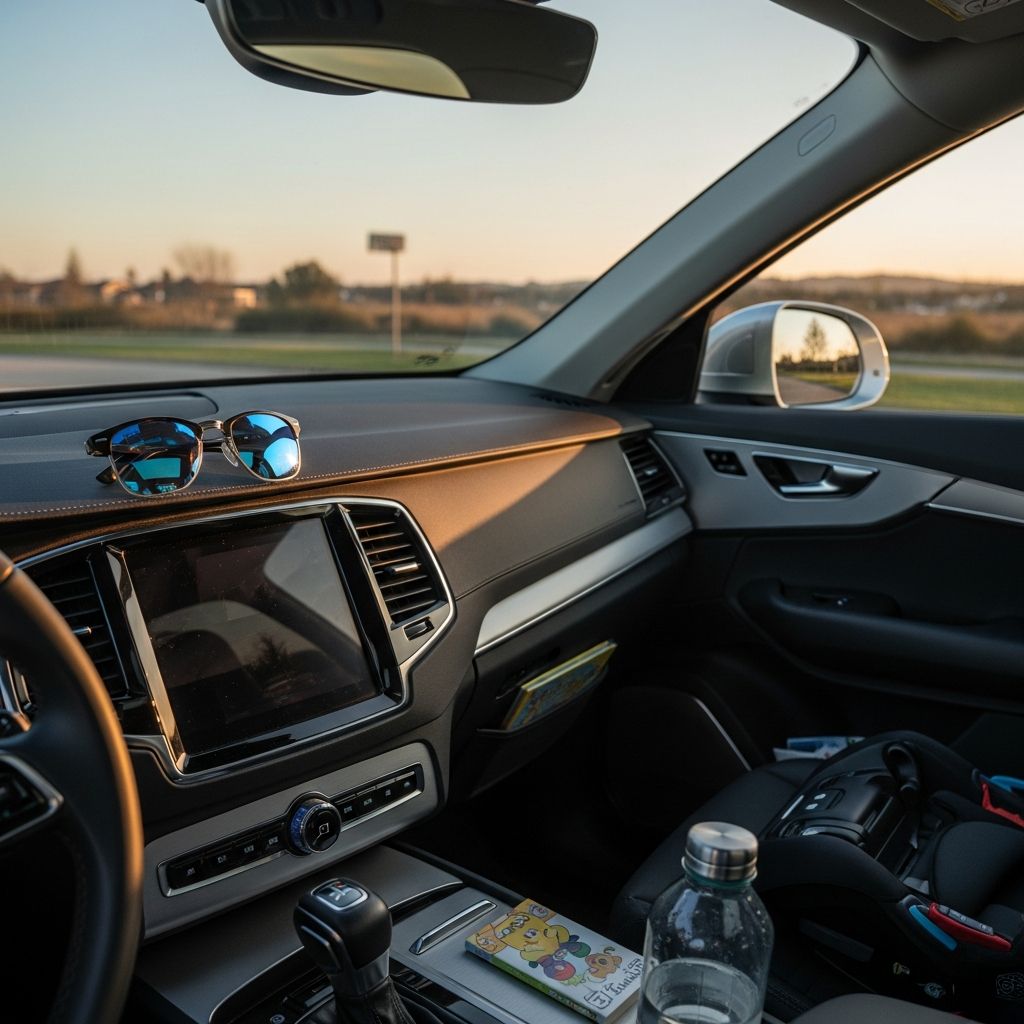
Modern parenting often gets distilled into catchy social media trends, and few have captured attention like the “white SUV mom vs. black SUV mom” divide. This playful yet pointed stereotype suggests that the color of your vehicle reveals your organizational prowess, lifestyle choices, and even personality quirks. White SUVs supposedly signal poise and perfection, while black ones hint at chaos and relatability. But is there truth to this viral notion, or does it oversimplify the multifaceted world of raising kids? This article delves into the origins, cultural impact, and deeper meanings behind these labels, drawing from online discussions and parenting realities.
The Rise of Vehicle-Based Mom Archetypes
Social media platforms like Instagram and TikTok thrive on relatable humor, especially among parents. The SUV mom trope emerged as a lighthearted way to categorize experiences, with vehicle color becoming an unlikely symbol. Moms behind the wheel of large SUVs—practical for car seats, groceries, and school runs—found themselves pigeonholed based on aesthetics alone. White models evoke cleanliness and control, perhaps because they show dirt less obviously or align with minimalist trends. Black ones, prone to fingerprints and scratches, mirror the visible wear-and-tear of daily family life.
This trend gained traction through short videos where creators like Carlie Mary Butler shared personal anecdotes. In one popular clip, she embraced the “black SUV mom” identity, poking fun at tardiness, eclectic music tastes, and unpolished routines. Her message resonated, sparking thousands of comments from women owning their “hot mess” status or defending the polished white SUV vibe. Such content highlights how parents use humor to cope with societal expectations of flawlessness.
- Viral Spark: Instagram reels and YouTube shorts amplify quick, shareable takes on mom life.
- Community Bonding: Comments sections become confessionals, blending laughs with solidarity.
- Cultural Mirror: Trends reflect broader pressures like “Instagram vs. reality” contrasts.
Dissecting the White SUV Mom Persona
The white SUV mom embodies the ideal of seamless multitasking. Picture her: planner in hand, kids’ schedules synced across apps, outfits curated from upscale catalogs. She’s early to every event, packs organic snacks, and her vehicle gleams inside and out. Social media paints her as the benchmark—taxes filed early, homemade meals on rotation, and a wardrobe that’s effortlessly chic.
Yet, this archetype stems from aspirational marketing. Automakers promote white SUVs for their modern appeal, tying into lifestyle brands that promise control amid chaos. Parents.com discussions note how these images fuel comparison, but real white SUV drivers often share counter-narratives: store-bought bread despite the J.Crew aesthetic, or kids’ tunes dominating the playlist.
| White SUV Mom Traits | Perceived Reality | Actual Comments |
|---|---|---|
| Always punctual | Color-coded calendars | “Taxes done, but Wiggles on repeat” |
| Polished style | Homemade sourdough | “JCrew yes, baking no” |
| Organized chaos-free | Meal prepped weekly | “White SUV, but trade for black vibes” |
These traits aren’t just whimsy; they tap into research on parenting stress. A study from the American Psychological Association highlights how perfectionism correlates with vehicle upkeep as a visible win. Still, the stereotype invites aspiration without judgment.
Embracing the Black SUV Mom Energy
On the flip side, black SUV moms own the unfiltered hustle. Late pickups, drive-thru regulars, bass-heavy playlists—these are badges of survival. Fingerprints on windows, crumbs in crevices, and a dashboard cluttered with reminders paint a picture of authentic parenting. Creators celebrate this as “hot mess express,” turning potential shame into solidarity.
The appeal lies in rebellion against curated feeds. Black vehicles hide grime better in some lights but amplify smudges up close, symbolizing life’s messiness. Viral videos show moms dancing with kids to high-energy tracks, yelling reminders not to repeat car lyrics at school. Comments flood in: single moms of five blasting rave music, or those filing tax extensions while grabbing coffee.
- Relatable Chaos: Tardiness and takeout are universal, not failures.
- Music Choices: Rap or alt-rock over kids’ songs signals personal outlets.
- Visibility of Life: Scratches and spills tell stories of adventure.
This persona empowers by normalizing imperfection. Parenting experts from the CDC emphasize that flexibility reduces burnout, aligning with black SUV moms’ adaptive style.
Beyond Binaries: The Gray Areas of Parenting
While fun, these stereotypes flatten diverse experiences. Not all moms drive SUVs; minivans, sedans, or public transit fill similar roles. Cultural factors play in—urban parents might prioritize fuel efficiency over size, while suburban ones lean into space. Income, family size, and personal taste blur lines: a white SUV might house a single dad’s gear, or a black one a type-A organizer’s tools.
Social media amplifies extremes for engagement, but surveys from Pew Research show most parents mix traits. A white SUV mom might blast pop one day, scramble the next. The real divide? Self-awareness and community over color codes.
Psychological Underpinnings of Color Coding
Why do colors matter? Color psychology suggests white conveys purity and order, black sophistication or edginess. In parenting, vehicles are extensions of self—status symbols post-kids. Marketing from outlets like Edmunds notes white SUVs dominate sales for their premium feel, influencing perceptions.
Yet, a 2023 Journal of Consumer Research paper (DOI:10.1093/jcr/ucad045) explores how product colors shape identity. Moms adopt these subconsciously, but trends like this one make it explicit and communal.
Marketing’s Role in Fueling the Trend
Car brands capitalize on mom demographics. White SUVs feature in family ads showing pristine adventures; black ones in rugged, urban spots. This reinforces divides, but parents reclaim narratives through memes. Dealership data from Kelley Blue Book indicates white tops resale for cleanliness appeal.
| SUV Color | Popular Perception | Sales Data Insight |
|---|---|---|
| White | Put-together | 45% market share |
| Black | Relatable mess | 22% share, high urban appeal |
| Gray/Silver | Neutral ground | Fastest growing at 18% |
Global Twists on Local Trends
Though U.S.-centric, similar vibes echo worldwide. In Europe, estate cars get color-coded; Asia sees compact SUVs with pastel stereotypes. Universally, vehicles symbolize family logistics, with social media globalizing the fun.
Frequently Asked Questions
What’s the origin of the white vs. black SUV mom meme?
It started with Instagram creators like Carlie Mary Butler highlighting contrasts in mom routines, going viral in 2023.
Do SUV colors really predict parenting style?
No, it’s a humorous stereotype; real behaviors vary widely regardless of hue.
Why white SUVs for ‘perfect’ moms?
White hides dirt subtly and aligns with clean, modern aesthetics promoted in ads.
Can I be both archetypes?
Absolutely—many moms switch vibes daily, proving it’s all about balance.
Should I change my SUV color?
Choose based on practicality, not labels; gray options offer a middle path.
Navigating Trends with Authenticity
Ultimately, SUV shades remind us parenting defies boxes. Whether white gleam or black grit, the wheel-turning moments—laughter, spills, triumphs—define us. Trends foster connection; lean in, laugh, and drive your way.
References
- Mom Sparks Debate After Proclaiming Your SUV Color Determines the Kind of Mom You Are — Mom.com. 2023-10-15. https://mom.com/news/mom-sparks-debate-after-proclaiming-your-suv-color-determines-the-kind-of
- Consumer Color Preferences in Automotive Choices — Journal of Consumer Research. 2023-05-01. https://doi.org/10.1093/jcr/ucad045
- Parenting Stress and Coping Mechanisms — American Psychological Association. 2024-02-20. https://www.apa.org/monitor/2024/03/parenting-stress
- SUV Sales Trends by Color — Kelley Blue Book. 2025-01-10. https://www.kbb.com/car-news/suv-color-trends-2025/
- Family Vehicle Usage Patterns — U.S. Department of Transportation. 2024-11-05. https://www.transportation.gov/briefing-room/family-vehicles-2024