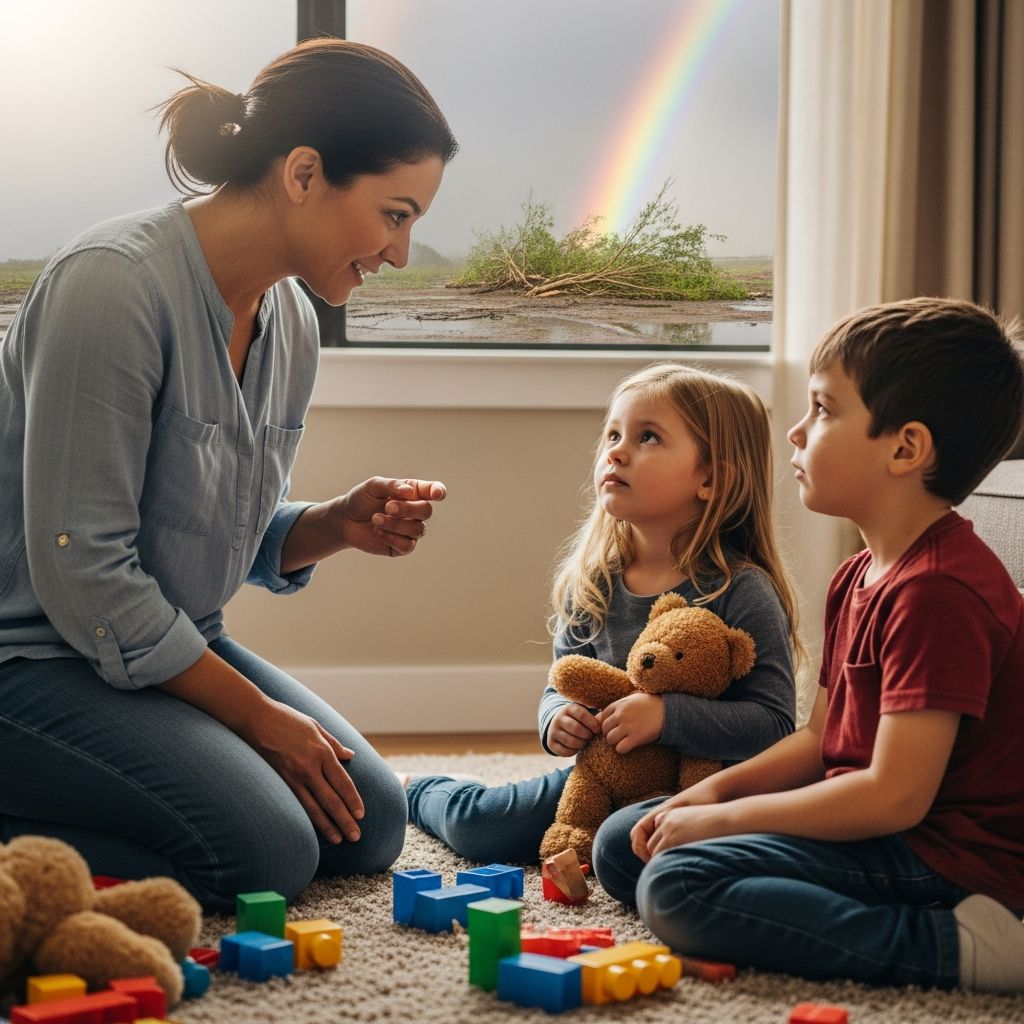
Parenting involves a profound commitment to each child’s well-being, yet it’s common for guardians to experience varying levels of enjoyment in their company. This distinction between love—a deep, unwavering attachment—and like—the day-to-day affinity—arises from differences in temperament, behavior, and life circumstances. Understanding this dynamic helps parents navigate frustrations without guilt, fostering healthier family ties.
Why Parental Affection Isn’t Always Uniform
Every child brings unique traits to the family dynamic, shaped by genetics, environment, and developmental phases. While love remains constant, enjoyment can fluctuate based on compatibility with a parent’s personality or current stressors. For instance, an outgoing parent might thrive with a social child but feel drained by a quiet introvert, or vice versa.
Research highlights that these feelings stem from mismatched expectations rather than flawed parenting. Parents may idealize family harmony, only to face real-world clashes like defiance or mood swings. Recognizing this as normal prevents self-blame and opens doors to targeted improvements.
Separating Actions from Identity
A key insight is differentiating a child’s conduct from their core self. Frustration often targets specific behaviors—such as constant arguing or withdrawal—rather than the individual. This separation is crucial for emotional health.
- Behavior-focused signs: Irritation spikes during conflicts but fades in peaceful interactions.
- Personality appreciation: You can name positive qualities like kindness or creativity despite challenges.
- Contextual triggers: Stress from work or finances amplifies reactions to normal kid antics.
Reframing thoughts shifts perspective: view whining as a bid for attention, not malice. This cognitive adjustment, known as flexibility, promotes empathy and reduces tension.
Developmental Stages and Their Impact
Children’s evolving brains influence how parents perceive them. Each phase presents hurdles that test patience but are temporary.
| Age Range | Key Traits | Common Parental Struggles | Building Bridges |
|---|---|---|---|
| 2-4 Years | Limited self-control, big emotions | Frequent meltdowns, boundary testing | Playful routines, physical affection |
| 5-8 Years | Seeking independence, peer focus | Rule-breaking, school pressures | Shared games, listening sessions |
| 9-12 Years | Identity exploration, social drama | Moodiness, rebellion | Interest-aligned talks, joint projects |
| 13-18 Years | Brain rewiring, risk assessment | Arguments, withdrawal | Respectful debates, parallel interests |
These stages explain why a once-adorable toddler might become exasperating. Teens, for example, push for autonomy, straining bonds as they separate—a natural process despite the friction.
External Factors Influencing Feelings
Beyond child traits, parental history and life pressures play roles. Unresolved childhood issues can resurface; a strict upbringing might clash with a free-spirited offspring. Daily burdens like career demands or marital strain lower tolerance thresholds, making minor annoyances feel monumental.
Expectations also factor in. Dreaming of a compliant scholar but raising an adventurous spirit breeds disappointment. Adjusting visions to reality cultivates acceptance.
Everyday Tactics to Strengthen Ties
Reconnection starts small. Commit to brief, positive daily interactions—five minutes of undivided attention, like a walk or snack chat, without critique. Consistency builds trust over grand gestures.
Implement the Nurtured Heart Approach: spotlight good behaviors with specific praise. “I appreciate how you cleared the table thoughtfully—that shows real teamwork,” reinforces positives, diminishing negatives naturally as kids crave recognition.
- Observe neutral moments: Praise quiet focus or helpful acts.
- Avoid negativity fuel: Skip feedback on bad behavior to starve it.
- Make positivity habitual: Scan for opportunities daily.
Customized Approaches by Age
Tailor strategies to developmental needs for best results.
For Young Children (2-4): Use sensory play and hugs to regulate emotions. Predictable rituals provide security amid chaos.
School-Agers (5-8): Engage in board games or stories to affirm value beyond performance.
Pre-Teens (9-12): Discuss hobbies or collaborate on chores, respecting growing autonomy.
Teens (13+): Share media or drive times for low-pressure talks. Honor their space while staying present.
Weekly Rituals for Lasting Bonds
Schedule distraction-free one-on-one time weekly per child. Rotate activities based on interests: puzzles for thinkers, sports for athletes. This ritual signals priority, mending perceived gaps.
Navigating Adolescence Challenges
Teen years intensify strains as kids individuate. Backtalk or isolation feels personal, but it’s often hormonal and neurological. Parents must release control gradually, transitioning to adult-child dynamics. Endure the push-pull; it forges resilience.
Expressing Love Through deeds
View love as action: providing, guiding, equipping for independence. Even amid dislike, fulfilling responsibilities demonstrates commitment. Over time, aligned behaviors restore enjoyment.
Signs Professional Support Is Needed
Persistent resentment, impacting daily life, warrants therapy. Counselors help unpack triggers and teach tools. It’s a strength, not failure, to seek aid.
Frequently Asked Questions
Is it wrong to dislike parts of my child’s personality?
No, it’s human. Focus on behaviors; nurture positives to enhance compatibility.
How can I enjoy time with a defiant child more?
Use positive reinforcement and short connection bursts. Understand developmental limits.
What if my kids sense my frustration?
Apologize briefly, then pivot to positives. Model emotional regulation.
Does this affect sibling relationships?
Yes, uneven attention breeds rivalry. Balance one-on-one time.
Can these feelings harm long-term bonds?
Not if addressed proactively with consistency and empathy.
This comprehensive approach empowers parents to embrace differences, turning potential rifts into robust relationships. Patience and intentionality yield rewards.
References
- What to Do When You Dislike Your Child: A Parent’s Guide — Therapy Central. 2025-10-10. https://therapy-central.com/2025/10/10/what-to-do-when-you-dislike-your-child/
- I Love My Child But Sometimes I Can’t Stand Him! — Empowering Parents. N/A. https://www.empoweringparents.com/article/i-love-my-child-but-sometimes-i-cant-stand-him/