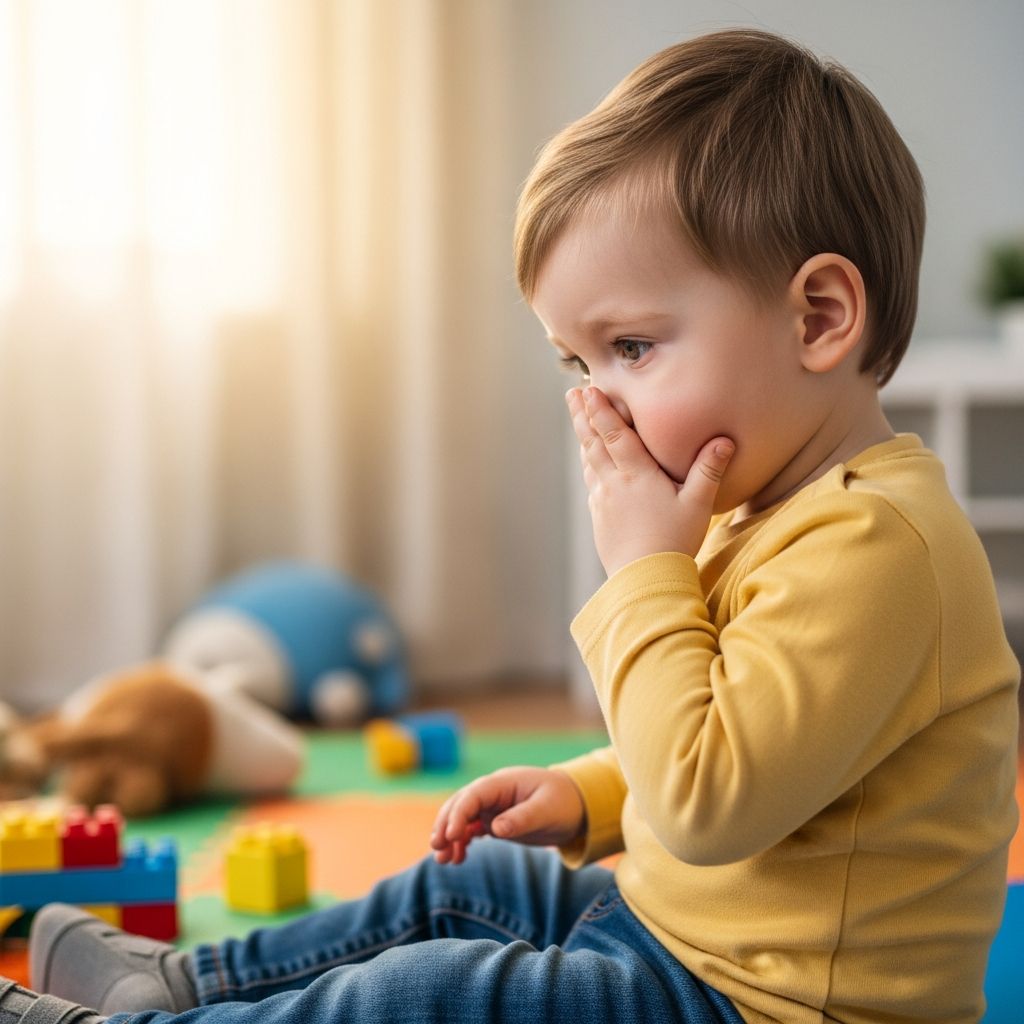
Between 19 and 25 months, toddlers enter a fascinating phase where they start displaying signs of **embarrassment**, a complex self-conscious emotion that signals growing awareness of themselves in social contexts. This milestone marks a shift from basic emotions like joy or anger to more nuanced feelings involving how others perceive them.
The Science Behind Early Embarrassment in Toddlers
Recent studies challenge the long-held belief that children only grasp self-consciousness around age 4 or 5. Experiments with 144 children aged 14 to 24 months showed they altered behavior when observed, performing better under scrutiny than alone, especially with feedback. This indicates toddlers care about social perception much earlier.
Pediatric experts note that around 18 months, children begin showing shame-like responses when caught in wrongdoing, evolving into full embarrassment by 24 months. A landmark study in Developmental Psychology by the American Psychological Association confirms this capacity, highlighting behavioral changes under observation.
Self-conscious emotions like embarrassment emerge in the second half of the second year, tied to self-awareness—the realization of a distinct ‘me’ as an object of others’ attention. This cognitive leap enables toddlers to feel exposed when spotlighted, even without verbal expression.
Recognizing Signs of Embarrassment in 19-25 Month Olds
Toddlers may not articulate embarrassment, but physical and behavioral cues are telltale:
- Hiding face in hands or parent’s shoulder during unwanted attention.
- Freezing or averting gaze when performing or failing a task publicly.
- Saying ‘don’t look’ when trying something risky or naughty.
- Bursting into tears at group sing-alongs like birthday songs.
- Avoiding eye contact after a mishap, like a fallen block tower.
These reactions peak with strangers over familiar family, as comfort levels allow boundary-testing at home. Unlike adults, toddlers’ embarrassment lacks social consequence awareness but stems from innate acceptance needs.
Common Triggers for Toddler Embarrassment
Several scenarios commonly provoke this emotion in 19-25 month olds:
| Trigger | Description | Example |
|---|---|---|
| Unexpected Attention | Spotlight without invitation causes discomfort. | Adults laughing at a ‘cute’ phrase or group cheers. |
| Performance Failures | Inability to meet self-set goals under watch. | Block tower collapses; slipping off playground equipment. |
| Caught in Acts | Doing forbidden things while observed. | Sneaking a cookie and being spotted. |
| Stranger Interactions | Unfamiliar faces heighten self-consciousness. | New playgroup settings or guest compliments. |
| Praise Overload | Excessive compliments feel exposing. | Repeated ‘good job!’ during unrequested feats. |
These triggers align with surging social exploration and stranger anxiety around this age.
Why Embarrassment Matters for Development
Embarrassment fosters social bonding and rule internalization. It motivates better behavior to gain acceptance, crucial for survival instincts wired into human brains—rejection registers as physical pain.
By 24-36 months, this evolves into shame or pride, building emotional regulation. Early recognition helps toddlers navigate group dynamics, empathy, and jealousy, all self-conscious emotions appearing now.
Supporting this milestone creates safe spaces for risk-taking, boosting resilience and self-esteem long-term.
Parenting Strategies: How to Respond Effectively
Experts emphasize acknowledgment without amplification:
- Label the Emotion: ‘You look embarrassed that it fell. It’s okay, towers topple sometimes.’ This validates feelings and models language.
- Offer Comfort: A hug or shoulder lets them hide briefly, then redirect gently.
- Model Healthy Responses: Spill milk? ‘Oops, happens to everyone. Let’s clean up.’ Normalizes mishaps.
- Praise Effort: Focus on tries over perfection to build confidence.
- Limit Over-Attention: Avoid forcing performances; let them initiate sharing.
Create judgment-free zones: ‘Everyone feels shy sometimes. Try again later if you want.’ This perspective aids emotional growth.
Age Milestones: Embarrassment Evolution Table
| Age Range | Embarrassment Indicators | Parental Role |
|---|---|---|
| 14-18 Months | Basic behavioral shifts when watched; early shame hints. | Observe quietly; introduce emotion words. |
| 19-25 Months | Clear hiding, freezing; stranger sensitivity. | Label and comfort; model recovery. |
| 24-36 Months | Verbal expressions; shame/pride emerge. | Discuss feelings; encourage empathy. |
| 3-5 Years | Consistent blushing, rule-based shame. | Teach social norms; reinforce positives. |
This progression underscores embarrassment as a building block for complex social emotions.
Potential Challenges and Myths Debunked
Myth 1: Toddlers seem shameless. Reality: They feel it but express differently—hiding over blushing.
Myth 2: Ignore it to spare feelings. Reality: Naming helps process; ignoring misses teaching moments.
Challenges include meltdowns from frustration masking embarrassment or over-reaction amplifying it. Consistency and calm parenting mitigate these.
Frequently Asked Questions (FAQs)
Do all toddlers experience embarrassment at 19-25 months?
Not every child shows it identically, but research indicates most display behavioral signs by 24 months, varying by temperament and exposure.
Why are toddlers more embarrassed around strangers?
Familiarity allows boundary-pushing; strangers heighten perceived judgment, amplifying self-consciousness.
Should I stop praising my toddler to avoid embarrassment?
No—praise thoughtfully. Tie it to effort and ensure it’s welcome to prevent overload.
How does embarrassment differ from shame in toddlers?
Embarrassment is exposure-based (attention-focused); shame ties to rule violations, emerging slightly later.
What if my toddler never shows embarrassment signs?
Monitor development holistically. Consult pediatricians if social cues lag significantly, though variation is normal.
Long-Term Benefits of Nurturing Emotional Awareness
Guiding toddlers through embarrassment lays foundations for empathy, resilience, and healthy relationships. By treating them as emotional equals, parents foster secure attachments and adaptive social skills. As they approach 3 years, these experiences help manage stronger emotions like guilt.
Investing now yields confident preschoolers ready for peer groups and school. Research links early emotional coaching to better mental health outcomes.
References
- Kids Feel Self-Conscious And Embarrassed Before Age 2, Studies Say — Fatherly. 2023 (approx., based on recent APA study). https://www.fatherly.com/health/why-toddlers-get-embarrassed-and-self-conscious
- The development of embarrassment — PubMed (PubMed ID: 512980). 1979-01-01. https://pubmed.ncbi.nlm.nih.gov/512980/
- Romper: Do Toddlers Get Embarrassed? They Only Seem Shameless, Experts Say — Tina Bryson Publications. 2023 (approx.). https://www.tinabryson.com/publications-articles/romper-do-toddlers-get-embarrassed-they-only-seem-shameless-experts-say
- The Self-Conscious Emotions — Child-Encyclopedia.com. Accessed 2026. https://www.child-encyclopedia.com/emotions/according-experts/self-conscious-emotions
- Toddler development at 2-3 years — Raising Children Network (Australian Govt-funded). 2025 (updated). https://raisingchildren.net.au/toddlers/development/development-tracker-1-3-years/2-3-years
- 24-36 Months: Social-Emotional Development — ZERO TO THREE (non-profit early childhood org). 2025 (updated). https://www.zerotothree.org/resource/24-36-months-social-emotional-development/