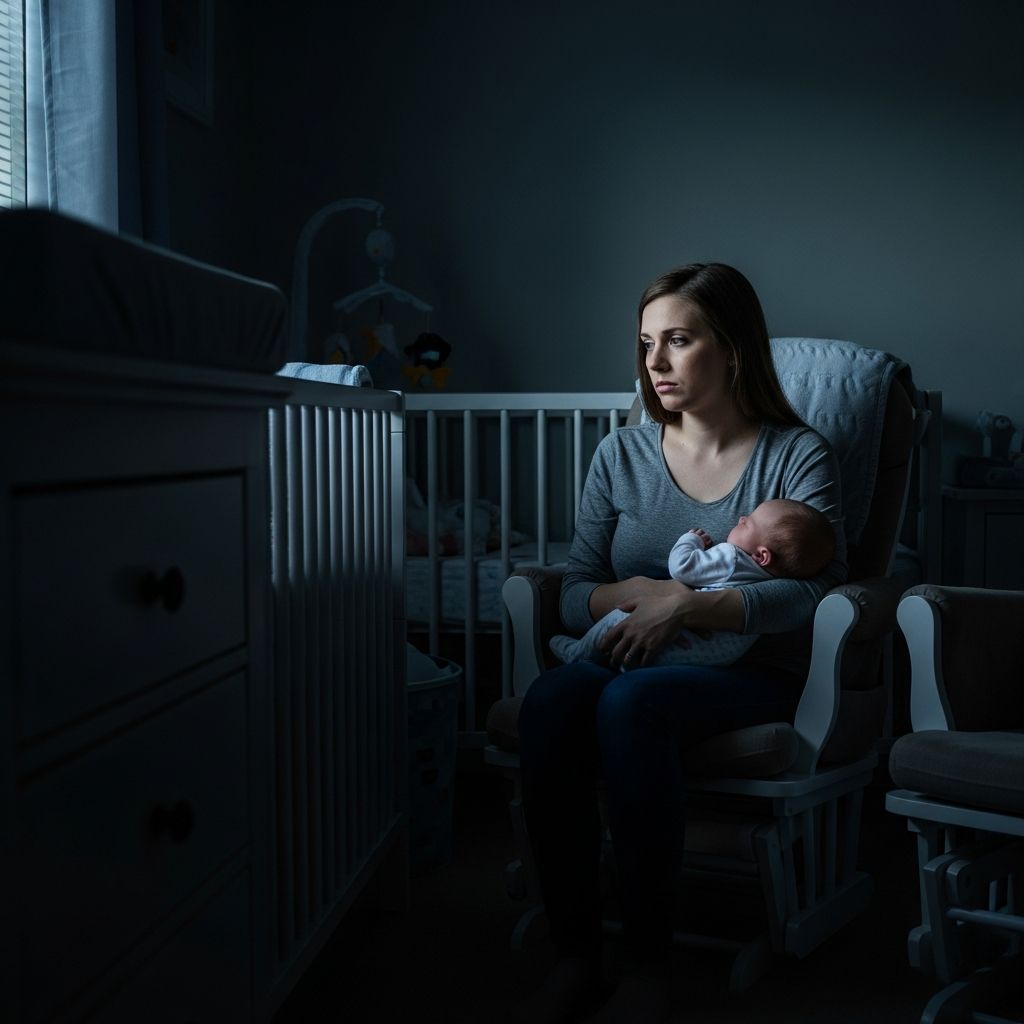
Every parent treasures those early moments of swaying a fussy newborn into peaceful slumber. The gentle rhythm that once worked wonders, however, can suddenly provoke resistance as babies grow. This shift signals developmental milestones and readiness for new sleep habits. Understanding this natural progression empowers caregivers to adapt without frustration.
The Science Behind Rocking’s Soothing Power
Rhythmic motion captivates infants because it echoes the constant movement experienced in the womb. This vestibular stimulation—targeting the inner ear’s balance system—calms the nervous system, slows heart rate, and eases breathing. A 2019 study in Current Biology demonstrated that adults in a rocking bed fell asleep faster, experienced deeper slow-wave sleep, and woke less frequently, attributing this to synchronized brain oscillations.
For babies, this translates to quicker sleep onset and reduced crying. Research confirms rocking boosts sleep quality by mimicking prenatal conditions, fostering security. Yet, as motor skills advance, babies seek control over their positioning, often rejecting passive motion.
Spotting the Shift: When Rocking Loses Its Magic
One day your baby melts into your arms; the next, they arch away or squirm vigorously. These behaviors indicate growing independence. Common signs include:
- Twisting or pushing during sway sessions, suggesting overstimulation.
- Prolonged rocking times that energize rather than relax.
- Easier settling when placed drowsy in the crib, bypassing full rocking.
- Increased night wakings demanding the same motion, pointing to sleep associations.
Such cues arise around 4-6 months when rolling and self-comfort emerge, or during leaps like 8-10 months. Ignoring them risks parental exhaustion from physical strain—backaches, arm fatigue—and fragmented family sleep.
Pros and Cons of Rocking as a Sleep Strategy
Rocking offers undeniable upsides: instant calming, bonding, and nervous system regulation. It teaches emotional security, vital for early development.
However, drawbacks mount over time:
| Aspect | Benefits | Challenges |
|---|---|---|
| Short-term | Fast calming; regulates vitals | Rarely an issue |
| Long-term | Strengthens attachment | Dependency; night wakings every 45-90 min cycles |
| Parental Impact | Intimate connection | Physical strain on arms/back; hard for others to replicate |
| Baby’s Growth | Early comfort | Hinders self-soothing as mobility increases |
Balanced use prevents over-reliance. Limit sessions to 15-20 minutes to avoid tolerance buildup.
Navigating Developmental Milestones in Sleep
Sleep evolves with brain and body changes. Newborns thrive on motion due to immature regulation; by 4 months, circadian rhythms solidify, reducing motion needs. Around 6 months, separation awareness heightens self-soothing desires.
Teething, illnesses, or regressions amplify resistance. Track patterns: if rocking extends nightly, it’s time for evolution. Flexibility matches your baby’s pace, preventing prolonged struggles.
Gentle Strategies to Fade Out Rocking
Transition gradually to preserve trust. The “fade-out” method works wonders:
- Week 1: Soften motion intensity; keep duration steady.
- Week 2: Trim 2-3 minutes every few nights.
- Week 3: Shift to swaying or holding still.
- Ongoing: Introduce pats, shushing, or loveys (post-12 months).
“Pick-up, put-down” reassures without motion: lift briefly for calm, then return to crib. Start with naps when overtiredness is lower. Pair with routines—bath, book, dim lights—for multi-cue sleep learning.
Safe Practices for Rocking While It Lasts
Maximize benefits safely:
- Gentle, slow rhythms; avoid vigorous swings.
- Secure head/neck support; ensure clear airways.
- Use supportive chairs to prevent injury.
- Transfer drowsy, not asleep, to crib on back.
- Combine with white noise or songs for diverse associations.
Such habits build toward independence seamlessly.
Building Independent Sleep Skills
Self-soothing prevents wakings. Encourage by:
- Consistent bedtime (7-8 PM ideal).
- Dark, cool rooms with white noise.
- Full feeds pre-sleep to rule out hunger.
- Gradual exposure to settling alone.
Patience yields results; most babies adapt within weeks.
Common Hurdles and Fixes
Challenge: Night wakings persist. Solution: Rock partially, then pat in crib.
Challenge: Partner can’t mimic style. Solution: Standardize cues like swaddling or sound machines.
Challenge: Regression hits. Solution: Revert briefly, then resume fading.
Physical toll? Alternate arms, use slings early, prioritize ergonomics.
Long-Term Sleep Health Outlook
Weaning from rocking fosters resilience. Studies link early self-settling to consolidated nights by toddlerhood. Parents gain rest, modeling calm for kids. Celebrate progress—your baby’s resistance is growth, not rejection.
Frequently Asked Questions
What age do babies typically resist rocking?
Signs often emerge at 4-6 months with rolling mastery, intensifying at 8-12 months during cognitive leaps.
Is rocking harmful long-term?
No, but dependency can disrupt cycles. It’s beneficial short-term; transition prevents issues.
How long to wean off rocking?
2-4 weeks with gradual fades yields success for most.
Alternatives to rocking?
Shushing, swaddling (until Moro reflex fades), pacifiers, or gentle vibration.
Can I restart rocking during teething?
Yes, temporarily; resume weaning post-discomfort.
(Word count: 1678)
References
- Rocking your baby to sleep: When to start and when to stop — Huckleberry Care. 2023. https://huckleberrycare.com/blog/rocking-baby-to-sleep
- When Should You Stop Rocking Baby to Sleep? A Parent’s Guide — Momcozy. 2024. https://momcozy.com/blogs/babycare/when-should-you-stop-rocking-baby-to-sleep
- Baby Sleep Associations – Can Rocking Your Baby Be Harmful? — The Baby Sleep Site. 2023. https://www.babysleepsite.com/sleep-training/sleep-association/
- The Effect of a Slowly Rocking Bed on Sleep — PMC (PubMed Central). 2018-02-20. https://pmc.ncbi.nlm.nih.gov/articles/PMC5794757/
- Researchers learn more about why rocking helps babies sleep — Audacy (KYW Newsradio). 2023. https://www.audacy.com/kywnewsradio/news/local/researchers-learn-more-about-why-rocking-helps-babies-sleep