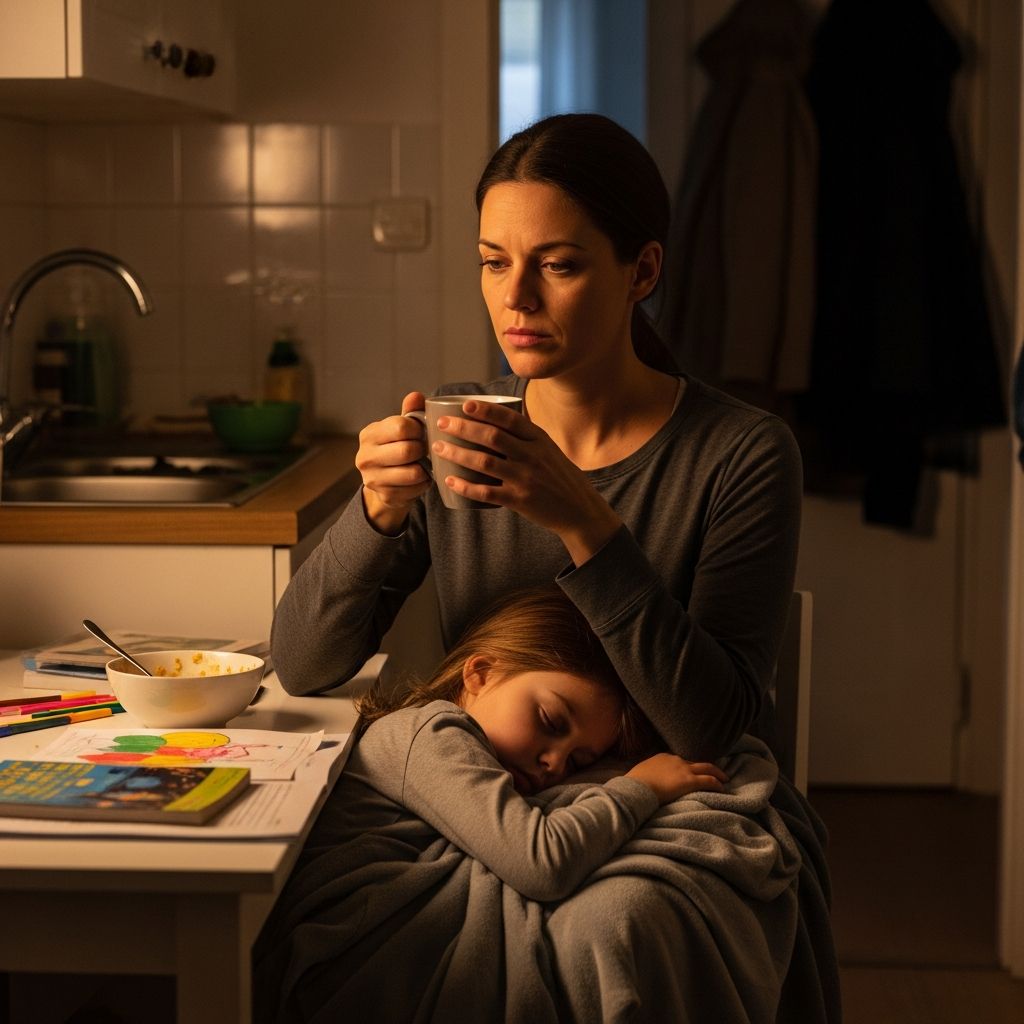
Potty training is often described as a quick milestone, but for many families it feels more like a roller coaster than a straight line. Some toddlers are ready and motivated early, while others resist every trip to the bathroom despite parents trying all the “right” strategies. Knowing when to pause—and understanding that a break can actually help—can make the entire process kinder for you and your child.
Why Potty Training Is Not One-Size-Fits-All
Toilet learning is a combination of physical readiness, emotional maturity, communication skills, and family circumstances. Some children reach these pieces at different times, which means they may be developmentally ready in one area but not in another. Remembering that there is a wide range of normal can lower the pressure you put on yourself and your child.
Starting before your child is ready can lead to power struggles, anxiety, constipation, and frequent accidents. On the other hand, waiting for clear signs of readiness generally makes the process smoother, shorter, and more positive for everyone.
How to Tell If Potty Training Is Stalling
Not every rough day means you should stop potty training entirely. Look instead for ongoing patterns over a period of days or weeks, rather than isolated tantrums or accidents. The signs below can help you distinguish between normal bumps and an overall stall.
- There is little or no progress after several consistent days of effort.
- Your toddler seems increasingly anxious, fearful, or upset around the potty.
- Accidents are frequent, with few or no successful pees or poops in the toilet.
- Daily routines feel dominated by tears, conflict, and tension about the bathroom.
Common Signs Your Toddler Is Not Ready Yet
Many parents focus on age, but age alone doesn’t determine readiness. Instead, watch for these behavior and body-based clues that your child might need more time before fully ditching diapers.
Emotional and Behavioral Signs
- Strong fear or refusal of the potty. Your child cries, stiffens, runs away, or becomes upset when asked to sit, even briefly.
- No curiosity about bathroom routines. They show little interest when others use the toilet, flush, or wash hands.
- Intense power struggles. The mention of the potty triggers yelling, bargaining, or daily stand-offs.
- Clinginess or general regression. Your toddler suddenly wants more help with tasks they used to do independently.
Physical and Developmental Signs
- Constantly wet diapers. Diapers are wet almost every time you check, suggesting limited bladder control.
- Irregular or painful bowel movements. Your child often strains, avoids pooping, or goes several days without a stool.
- Limited body awareness. They do not seem to notice when they are wet or dirty and keep playing as if nothing has changed.
- Difficulty with simple instructions. They struggle to follow two-step directions such as “pull down pants and sit.”
Helpful Readiness and Not-Ready Checklist
The table below can serve as a quick reference when you are trying to decide whether your child is ready to continue, or whether a gentle pause might be more appropriate.
| Area | Signs of Readiness | Signs It May Be Too Soon |
|---|---|---|
| Bladder & bowel control |
|
|
| Awareness |
|
|
| Communication & understanding |
|
|
| Emotional readiness |
|
|
When a Break Is Usually a Good Idea
There is no strict formula for when to pause potty training, but several circumstances make a break particularly helpful. These situations often add extra stress, making learning a new skill more difficult for young children.
- Major life changes. Moving homes, new siblings, divorce, or starting daycare can overwhelm a toddler who is also trying to master toilet use.
- Persistent resistance or fear. If your child seems more anxious with each passing day, continuing may deepen the fear.
- Health issues. Constipation, urinary discomfort, or frequent illness should be addressed medically first before pushing toilet training.
- Parent burnout. If you feel constantly angry, defeated, or panicked about accidents, a pause can protect your relationship with your child.
How Long Should You Pause Potty Training?
A break from potty training does not need to be permanent. Many families find that taking anywhere from two weeks to a few months off gives everyone time to reset. The most important part is stepping away long enough for the pressure, stress, and power struggles to fade.
Instead of choosing a specific date on the calendar, watch for changes in your child’s behavior. Increased curiosity about the bathroom, dry diapers for longer stretches, and calmer reactions to potty talk all suggest that it may be time to gently try again.
What to Do During the Potty Training Pause
Pressing pause does not mean ignoring toilet learning altogether. Think of this period as quiet preparation: you are planting seeds of understanding without insisting your child use the potty each time.
- Keep a potty chair visible in the bathroom or play area, without pressure to use it.
- Let your child watch a trusted adult or older sibling use the bathroom, if everyone is comfortable.
- Read simple, age-appropriate books about using the toilet and wearing underwear.
- Practice steps like handwashing, flushing, and pulling pants up and down, separate from actual peeing or pooping.
- Use neutral language about diapers, avoiding shame or negativity about not using the potty.
Reducing Power Struggles and Pressure
Toilet use is one of the few areas where toddlers truly control what happens, so it can become a tug-of-war very quickly. When adults push harder, many children push back just as strongly, turning potty training into a daily battle.
Shifting the tone from “You must sit now” to “Your body will be ready soon, and I will help” can transform the experience. Offering choices—such as which potty to use, what book to read, or which step stool to stand on—also gives your child a sense of control while keeping the adult in charge of the overall routine.
Practical Tips for a Calmer Restart
When you sense that your child is more ready, restart in a way that feels intentional and low pressure. A few thoughtful adjustments can prevent repeating the same stuck patterns.
Plan the Right Timing
- Avoid starting just before big events like vacations, a new baby’s arrival, or school transitions.
- Choose a stretch of days when you or another caregiver can stay consistent and attentive.
Set Up the Environment
- Use easy-on, easy-off clothing such as elastic waist pants or dresses.
- Place a child-sized potty or secure seat insert in each main bathroom your child uses.
- Keep wipes, extra underwear, and a change of clothes in a small basket nearby.
Use Simple, Predictable Routines
- Offer potty sits at natural transition points: after waking, before leaving the house, and before bath or bedtime.
- Keep each sit brief and relaxed, moving on if nothing happens after a couple of minutes.
- Celebrate effort and tries, not just successes, with specific praise like “You listened to your body and tried to sit.”
Handling Accidents With Compassion
Accidents are not misbehavior; they are part of the learning curve. Treating them as neutral events protects your child’s sense of safety around the bathroom and their body. A calm response also keeps you from getting emotionally drained each time you reach for the paper towels.
- Use simple, matter-of-fact language: “Your pants are wet. Let’s clean up and try the potty next time.”
- Involve your child in cleanup at a level appropriate for their age, such as placing dirty clothes in the hamper.
- Avoid shaming, teasing, or discussing accidents in front of others.
- If accidents increase suddenly after doing well, look for changes or stresses in your child’s life.
Special Situations: When Extra Help Is Helpful
Some children face unique challenges with potty training due to developmental delays, sensory differences, medical conditions, or neurodivergence. In these cases, traditional training timelines and methods may not fit well, and that is okay.
Consulting a pediatrician, occupational therapist, or other professional can provide tailored strategies, such as visual schedules, adaptive equipment, or specific routines. Early support can prevent ongoing struggles and ensure that expectations align with your child’s abilities.
Supporting Yourself as a Parent
Parents often carry heavy expectations around potty training, especially when hearing stories of children who “trained in a weekend.” Comparing your child—or yourself—to others usually increases stress without improving outcomes. It helps to remember that diapers are temporary, while your relationship with your child is long term.
- Talk with trusted friends or caregivers about realistic experiences, not just success stories.
- Remind yourself that pausing potty training is not giving up; it is responding to your child’s needs.
- Notice and celebrate what is going well in your child’s development, even if toilet use is still a work in progress.
Frequently Asked Questions About Pausing Potty Training
Will taking a break confuse my child?
Most toddlers handle a pause without any long-term confusion. In fact, breaks often reduce stress and resistance, making it easier to restart later. As long as you use simple language—such as “We’ll use diapers for now and try the potty again when your body feels ready”—your child will understand the basic idea.
Does pausing mean my child will train much later?
Not necessarily. Many children who struggle early actually train more quickly once they are truly ready. Waiting for better readiness can be faster overall than pushing through months of battles and accidents when it is too soon.
How do I explain the pause to caregivers or relatives?
You can keep your explanation brief and confident: “Right now we are giving their body a little more time. We will let you know when we are trying again.” Sharing your plan calmly signals that you have thought it through and are not simply giving up.
What if daycare expects my child to be trained by a certain age?
It can help to meet with your child’s teachers to discuss realistic expectations, your child’s specific needs, and possible accommodations. Many programs are more flexible when they understand that pushing too hard may backfire and that you are actively working toward the goal, just at your child’s pace.
How do I know it is truly time to try again?
Look for a cluster of positive signs rather than one single change. Increased interest in the bathroom, staying dry longer, fewer battles about sitting on the potty, and better communication about bodily needs together suggest that your child is ready for another gentle attempt.
Choosing to pause potty training is an act of respect for your child’s development and your family’s well-being. By stepping back when things are not working, you create space for your toddler to grow, for fear and tension to fade, and for everyone to return to the process calmer, more confident, and more connected.