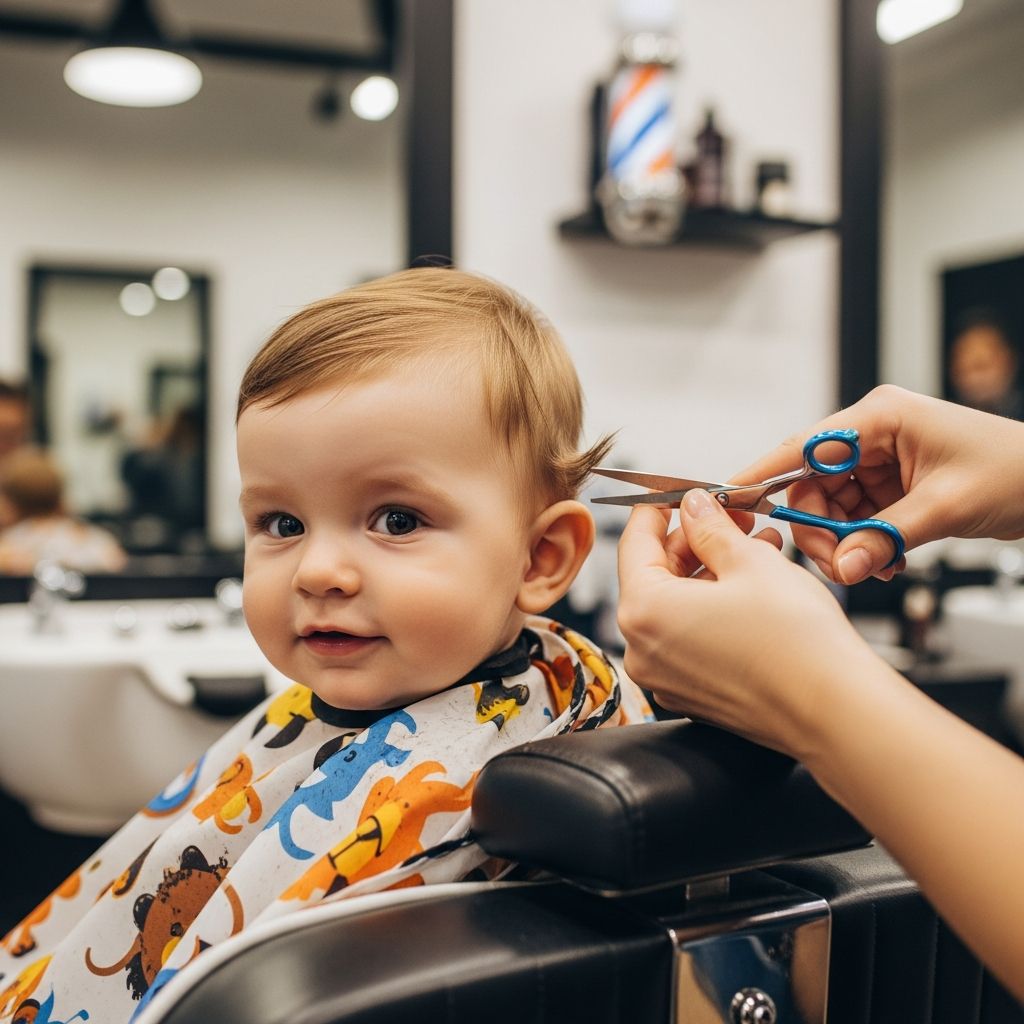
The moment you decide to give your baby their initial trim marks a cherished developmental step, blending excitement with a touch of sentimentality. This guide explores optimal timing, practical preparation strategies, style selections, and methods to ensure the event remains stress-free and memorable for both parent and child.
Determining the Perfect Moment for That Initial Trim
Timing varies widely based on individual growth patterns, with no universal rule dictating the exact age. Many parents observe readiness signals such as hair obstructing vision, excessive tangling, or uneven lengths that complicate daily care. Physical readiness plays a role too—steady head control and basic instruction-following indicate preparedness for sitting through the process.
On average, hair advances about half an inch monthly, accumulating roughly six inches yearly, influenced by genetics, diet, and health factors. Thick, rapidly growing locks might necessitate intervention as early as six months, while finer strands often wait until after the second birthday. Pediatric experts emphasize prioritizing comfort over chronological benchmarks, noting that luscious newborn hair could prompt trims around eight months, whereas sparse growth delays until age two.
- Hair interference: Strands falling into eyes or mouth signal immediate need.
- Manageability issues: Frequent matting or pulling during brushing.
- Developmental cues: Ability to sit upright and engage briefly without distress.
- Parental preference: Aesthetic desires or family traditions guiding the decision.
Preparation Essentials Before the Big Day
Advance planning transforms potential anxiety into anticipation. Begin familiarizing your little one with grooming tools days ahead—demonstrate gentle combing on a doll or during playtime to normalize the routine. Discuss the upcoming adventure positively, using storybooks featuring haircuts to build curiosity.
Pack comforts like a favorite snack, toy, or blanket to ease transitions. Schedule during peak alertness, avoiding nap times or hunger pangs. For home attempts, assemble rounded-tip scissors, a spray bottle with lukewarm water, and a cape fashioned from a towel. Salons geared toward children often feature engaging distractions like videos or booster seats mimicking cars.
| Preparation Item | Home Setup | Salon Advantage |
|---|---|---|
| Tools | Child-safe scissors, comb, spray | Professional clippers, sanitized equipment |
| Distractions | Toys, mirrors, songs | Themed chairs, screens, treats |
| Duration | 10-15 minutes | 15-30 minutes with breaks |
| Safety | Parental control | Trained stylists |
Style Options Tailored to Tiny Tresses
Select cuts prioritizing low maintenance and age-appropriate charm. Infants benefit from subtle trims preserving length while tidying edges—a light layering around the nape and ears suffices. Toddlers suit playful shapes like textured crops or gentle fades that grow out gracefully without frequent touch-ups.
Consider texture: Straight hair thrives with blunt ends for volume, curls demand moisture-retaining shapes avoiding shrinkage. Boys often receive neat tapers, girls feather-layered bobs. Consult images beforehand, but remain flexible—wiggly subjects alter outcomes. Post-trim, apply gentle, fragrance-free products to soothe scalp and lock in softness.
Home Trimming Techniques for Confident Parents
DIY approaches empower budget-conscious families, provided safety reigns. Position baby on a firm surface with ample lighting; enlist a partner for distraction duties. Dampen hair lightly, comb straight, and snip no more than a quarter-inch initially—err conservative to prevent regrets.
- Spray sections evenly without soaking.
- Hold tiny portions between fingers, cut parallel to scalp.
- Check symmetry frequently using mirrors.
- Finish with blow-drying on cool for fluffiness.
Risks include nicks from movement, so cease if fussing escalates. Many succeed with practice, fostering bonding moments.
Choosing and Thriving in a Child-Friendly Salon
Professional venues excel for novices, offering expertise and ambiance. Seek establishments boasting kid-centric designs—elevated seats, colorful tools, and staff trained in pediatric calming. Inquire about duration caps and upset protocols; reputable spots pause as needed.
Arrival tips: Arrive early for acclimation, affirm bravery throughout, and reward completion lavishly. First visits imprint grooming positively, encouraging future compliance. Costs range modestly, with trims under thirty minutes ideal for short attention spans.
Cultural Perspectives on Early Hair Rituals
Global customs enrich the narrative, tying trims to symbolism. African American communities traditionally mark the first birthday with boys’ cuts, believing pre-two-year clips coarsen texture—though modern views prioritize practicality. Caribbean families delay until clear speech around age two, often parent-led or barbershop affairs.
Chinese full-moon ceremonies feature partial shaves saving locks as mementos, historically full heads until age ten. Hindu mundan ceremonies in years one or three shave scalps for renewal, stimulating neural growth per lore. These practices underscore hair’s cultural weight, inspiring personalized adaptations.
Aftercare Routines for Luscious Locks
Post-trim nurturing sustains health. Bathe with pH-balanced, tearless shampoos thrice weekly max to avert dryness. Conditioner suits lengths over four inches, focusing ends. Brush daily with soft bristles, detangling sprays aiding curls.
Monitor growth—trims every eight to twelve weeks maintain neatness. Nutrition bolsters vitality: biotin-rich foods like eggs, avocados support follicles. Scalp massages circulate oils, promoting even expansion.
Frequently Asked Questions
What if my baby has minimal hair growth?
Patience prevails; delay until lengths impede or aesthetics demand. Some await past toddlerhood without issue.
Is home cutting safe for active infants?
Viable with precautions, but salons minimize mishaps via expertise. Opt based on confidence levels.
How frequently follow-up trims?
Every two to three months aligns with growth rates, adjustable per style.
Special care for curly or textured baby hair?
Leave-in conditioners combat knots; wide-tooth combs preserve patterns.
Does early cutting alter hair permanently?
Predominantly myth; texture shifts stem from maturation, not timing.
Turning the Experience into a Lifelong Positive
The inaugural snip lays grooming foundations, associating care with joy. Positive reinforcement—praise, stickers—instills hygiene value early. Document via photos, cherishing the before-and-after evolution. As patterns stabilize post-two years, styling refines further.
Ultimately, attune to your child’s cues, blending practicality with celebration. This milestone heralds independence, one clip at a time.
References
- When Do Kids Get Their First Haircut? A Parent’s Guide — Buzz Cuts Salon. 2025-07-22. https://buzzcutssalon.com/blogs/news/when-do-kids-get-their-first-haircut
- Your Child’s First Haircut: A Complete Guide to Making It Special — Gifted Barbers. N/A. https://www.giftedbarbers.com/your-childs-first-haircut-a-complete-guide-to-making-it-special
- When’s the Best Age to Give Your Child Their First Hair Cut? — Black Beauty and Hair. N/A. https://www.blackbeautyandhair.com/whens-the-best-age-to-give-your-child-their-first-hair-cut/
- Why You Shouldn’t Rush A Child’s First Haircut — Michael Anthony Salon DC. N/A. https://michaelanthonysalondc.com/you-shouldnt-rush-a-childs-first-haircut/