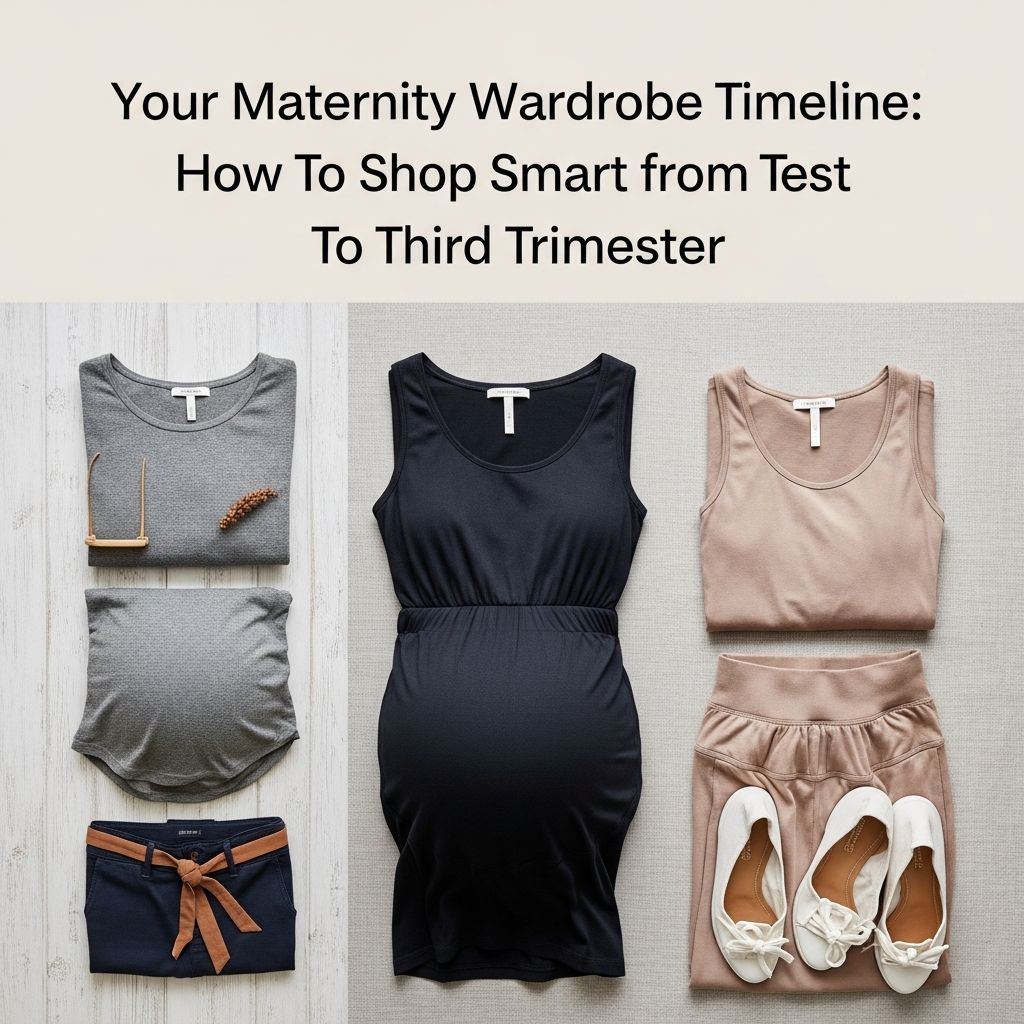
One of the first practical questions many newly pregnant people ask is not about baby gear but about their own closet: when is it actually time to buy maternity clothes? There is no universal week when everyone suddenly needs stretchy panels and side ruching, but there are patterns, clues, and smart strategies that can make the process less stressful and more budget friendly.
This guide walks through a flexible timeline for maternity shopping, explains what to prioritize at each stage, and shows how to avoid both buying everything too early and waiting so long that nothing fits when you need it most.
Listening To Your Body, Not The Calendar
Due dates and trimester charts can be helpful, but your mirror and waistband are more reliable than any week-by-week rule. Some people need roomier clothing almost immediately because of bloating, previous pregnancies, or body type. Others can wear their usual pieces well into the second trimester by relying on soft fabrics and forgiving cuts. Instead of aiming for a specific week, pay attention to how you feel in your clothes each day.
- Notice where clothes feel tight first: waistband, bust, or hips often go before the visible bump appears.
- Give more weight to comfort than appearances; discomfort tends to intensify as pregnancy progresses, not fade.
- Use the calendar as a rough guide, but treat it as a suggestion, not a rule.
Early Weeks: Stretching Your Existing Wardrobe
In the first part of pregnancy, many people do not yet show, but they often feel thicker through the waist or more sensitive around the chest. Instead of racing to buy a full maternity wardrobe at the first positive test, start by re-evaluating what you already own. You may be able to extend your current clothes longer than you expect with a few simple tricks and small purchases.
- Pull out anything with elastic waists, wrap fronts, A-line silhouettes, and flowy fabrics.
- Set aside very structured, stiff, or tight items that will likely become uncomfortable quickly.
- Try inexpensive extenders or belly bands to get extra weeks out of jeans and trousers.
Warning Signs Your Closet Needs Backup
Rather than asking whether it is too early or too late, look for specific signs that your wardrobe is not keeping up with your body. These signals are more accurate and less anxiety-inducing than comparing yourself to friends or social media. When several of these signs appear at once, it is time to start a maternity shopping plan.
- You dread getting dressed because nothing feels right around your waistband or bust.
- You leave red marks on your skin when you take off pants, bras, or leggings.
- You find yourself rotating the same two comfortable outfits over and over because everything else is off-limits.
- Buttons gape or zippers will not close unless you hold your breath.
A Trimester-By-Trimester Shopping Roadmap
Every pregnancy is unique, but many people find it helpful to think in terms of phases rather than strict weeks. The outline below offers a flexible roadmap: you can slide each phase earlier or later depending on your comfort and lifestyle. Use it as a menu, not a checklist.
| Phase | Main Focus | Typical Clothing Needs |
|---|---|---|
| Early Pregnancy | Maximize what you own | Soft tops, leggings, bra upgrades, waist extenders |
| Growing Bump | Build a small core wardrobe | Maternity jeans, work pants, a few dresses, layering basics |
| Late Pregnancy | Comfort and practicality | Supportive underwear, sleepwear, nursing-friendly pieces |
Phase One: Gentle Tweaks Instead Of A Whole New Wardrobe
At the beginning, think in terms of adjustments rather than overhauls. The goal is to stay comfortable while you figure out how your body likes to grow. This also buys time to spread out your spending instead of purchasing everything at once before you know what size you will be in a few months.
- Use hair ties or waistband extenders with pants that almost close but not quite.
- Prioritize soft bralettes or lightly structured bras without painful underwires.
- Borrow looser items from a partner, friend, or family member if possible.
Phase Two: Building A Core Maternity Capsule
As your bump becomes clearly visible and your regular waistband tricks stop working, it is time to choose a small but mighty set of maternity-specific pieces. This is where many people overbuy, imagining they need a full closet of pregnancy-only outfits. In reality, a thoughtfully chosen core capsule can be mixed, matched, and layered to cover most situations.
Think practically about your week: if you dress for an office, you will need different staples than someone who works from home or wears a uniform. Start with the roles you actually play day to day rather than the fantasy events in your head.
Essential Pieces For Everyday Life
- 2–3 pairs of pants or jeans with true maternity waistbands or side panels.
- Several long, stretchy tops that cover your belly fully even when you move.
- 1–2 versatile dresses that can work with flats for daytime and nicer shoes for special events.
- Cardigans, open jackets, or blazers that you can continue to wear after birth.
Planning Around Your Lifestyle
Before buying anything, look at a typical week on your calendar and imagine what you actually wear for each block of time. Someone who spends most days at home may get more value from high-quality leggings and oversized tees than from structured dress pants. Conversely, a job with a formal dress code might justify investing in a couple of well-fitting maternity pencil skirts or business-appropriate trousers.
- If you attend frequent appointments or classes, choose easy-on, easy-off shoes and clothes that are simple to change in restroom stalls.
- If you commute, consider how waistbands feel when sitting for long periods.
- If you will have a baby shower, photo shoot, or big event, plan one special outfit that can be reused later with different accessories.
Smart Budgeting For Maternity Shopping
Maternity wear has a built-in expiration date, which can make the price tags feel especially sharp. The key is to allocate your budget strategically and prioritize pieces that earn their keep. Some items only need to last a few months, while others can work during pregnancy, postpartum recovery, and nursing.
- Spend more on items you will wear several times a week, such as jeans, leggings, or bras.
- Save on pieces for rare occasions; renting, borrowing, or buying secondhand can be ideal here.
- Look for sales around season changes and holiday weekends, but resist the urge to buy more than you truly need.
Multipurpose Pieces That Work Before And After Baby
Clothing that can adapt across stages offers better value and reduces clutter. Many brands now design garments with adjustable waistlines, hidden nursing access, or flexible panels that grow and shrink with your body. When weighing two similar items, favor the one that can serve you for the longest time frame.
- Wrap dresses and tops that adjust as your bump grows and later allow for easy feeding access.
- Button-front shirts in soft fabrics that can be worn open over tanks, then used for nursing.
- High-quality leggings that recover well and support your core gently after delivery.
Fabric, Fit, And Comfort Priorities
Maternity clothing is not only about extra room; it is also about how fabric feels on changing skin. Hormonal shifts can make you warmer, itchier, or more sensitive than usual. Pay attention to what materials and fits feel best now, and assume those preferences will intensify as pregnancy continues.
- Look for breathable fabrics like cotton and modal, with enough stretch to move comfortably.
- Avoid irritating seams, rough tags, or scratchy lace on pieces you plan to wear for hours.
- Choose garments that feel good both when standing and when sitting, especially at the waistband and under the bust.
Shopping Online Versus In Store
Maternity departments are smaller than regular ones, so it can be tempting to order everything online. Both online and in-person shopping have advantages, and many people use a hybrid approach. Aim to minimize returns by being intentional with what you order and what you try on.
- When shopping online, check size charts carefully and read reviews about how items fit over the belly.
- When shopping in person, move around in the dressing room: sit, bend, and reach to see how clothing behaves.
- Consider ordering two sizes in key pieces, planning in advance to return the one that does not work.
Preparing For The Final Stretch
Late in pregnancy, even your maternity clothes can start to feel different. The focus often shifts from style and variety to pure practicality. You may need a few extra pieces specifically for sleep, lounging, and the hospital or birth center, plus items that will carry you through the first weeks at home with a newborn.
- Add at least one or two ultra-comfortable nightgowns or pajama sets with easy bathroom access.
- Consider nursing bras or soft crop tops if you plan to breastfeed, or simply for comfortable support.
- Pack a small hospital bag wardrobe of loose, dark-colored, easy-to-wash items.
Postpartum: Using Your Maternity Wardrobe Wisely
Many people expect to go straight back to pre-pregnancy clothes shortly after birth, only to discover that their body is still changing for weeks or months. Planning to use some maternity items postpartum can relieve pressure and make recovery smoother. Instead of rushing to change your body or your closet, focus on comfort and practicality.
- Keep a small selection of the most comfortable maternity bottoms and tops in rotation for the first few months.
- Pair looser maternity pieces with non-maternity layers or accessories to feel a bit more polished when desired.
- Transition gradually, replacing items as they naturally become too large rather than forcing the process.
Emotional Side Of Maternity Shopping
Buying maternity clothes is not only a logistical task; it can stir up many feelings. For some, it makes the pregnancy feel more real and exciting. For others, it can trigger anxieties about body image, finances, or the speed of change. Acknowledging the emotional side of maternity shopping can make the experience gentler and more intentional.
- Give yourself permission to feel both thrilled and nervous about outgrowing old favorites.
- Reframe shopping as an act of care for your current body, not a reaction to losing your old one.
- If possible, bring a supportive friend or partner who respects your comfort level more than trends.
Frequently Asked Questions About Maternity Shopping
Do I have to buy dedicated maternity clothes, or can I just size up?
Sizing up in regular clothes can work in the very early stages, particularly for tops, dresses, and loose sweaters. However, standard clothes are not designed for a full pregnancy shape, so they may pull across the belly, ride up, or fit awkwardly in the shoulders and bust once you grow more. A mix of carefully chosen larger pieces and a few true maternity staples usually provides the best balance.
How many maternity outfits do I really need?
There is no one-number-fits-all answer, because it depends on how often you do laundry, your job, and your climate. Many people manage well with a small capsule: a handful of bottoms, several mix-and-match tops, a couple of dresses, and some comfortable underwear and sleepwear. The more you focus on versatility and layering, the fewer total pieces you need.
Is it okay to start maternity shopping before telling people I am pregnant?
Yes. Your comfort does not have to wait for public announcements. If you are shopping privately, you can choose online orders delivered at home, pick neutral pieces that do not look obviously maternity, or try on items solo rather than planning a public shopping trip. You are allowed to meet your body’s needs whether or not anyone else knows your news yet.
What about special occasions during pregnancy?
If you know you have weddings, holidays, or photo sessions coming up, plan one or two outfits that can flex across events. Many people choose a simple, solid-color dress that can change personality with different shoes, jewelry, and jackets. Whenever possible, choose something that will also be forgiving and useful in the early postpartum months.
How can I reduce the environmental impact of maternity shopping?
Because maternity wear has a limited time in your closet, borrowing, renting, and buying secondhand are excellent options. You can also choose higher-quality pieces that last through multiple pregnancies and can be passed on or resold when you are done. Focusing on a small, versatile wardrobe rather than a large, rarely worn collection further reduces waste.
Ultimately, the “right” time to buy maternity clothes is when your body tells you it is ready. By tuning into those signals, planning purchases in phases, and favoring versatile pieces, you can stay comfortable, supported, and confident through every stage of pregnancy and beyond.