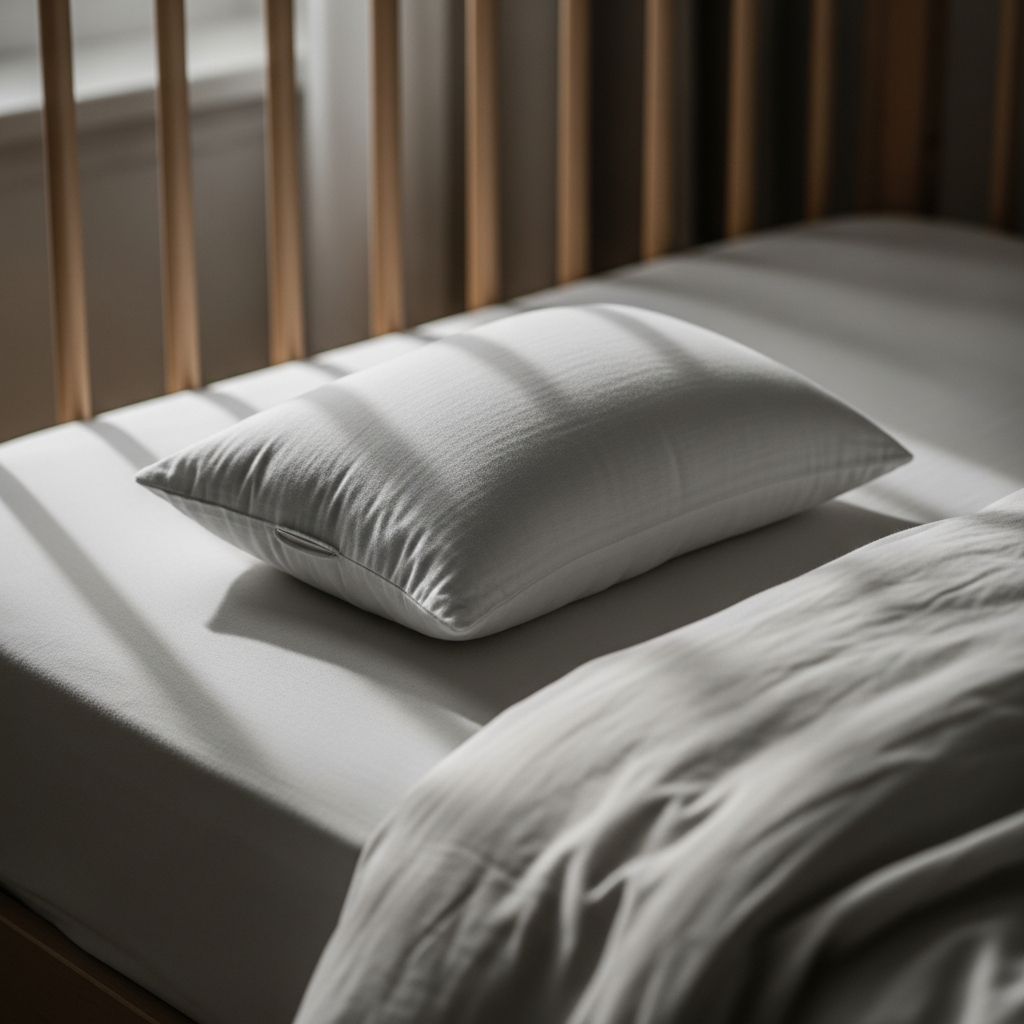
Many parents wonder when their toddler should start using a pillow, especially after years of following strict infant sleep rules. Moving from a flat crib mattress to a cushioned headrest feels like a big milestone, but it also raises understandable safety concerns. This guide walks through readiness signs, age considerations, pillow types, and practical safety tips so you can make a confident, informed decision for your child.
Why Toddlers Don’t Need Pillows Right Away
Adults often associate good sleep with a fluffy pillow, but babies and young toddlers are built very differently. Their heads are proportionally larger, their neck muscles are still developing, and they sleep safely on flat, firm surfaces. The absence of a pillow in the first years of life is not a sign that something is missing; it is actually the default, safe setup for young children.
In fact, many toddlers sleep perfectly well without any pillow at all. If your child falls asleep easily and wakes rested on a flat mattress, there is no rush to introduce a pillow just because it seems like the “next step.” Comfort and safety matter more than matching what adults use.
General Age Guidelines (But Not Hard Rules)
There is no single magic birthday when every toddler suddenly becomes ready for a pillow, but most health and safety organizations agree that pillows should be completely avoided throughout infancy. In general, parents start considering a small, child-sized pillow sometime after the second birthday, when the risk of suffocation has decreased and head and neck control are much stronger.
That said, age is only one factor. A 2-year-old who sleeps well without a pillow does not need one immediately, while a slightly older toddler who consistently seeks head support may benefit from a simple, low-profile pillow. Think of age guidelines as a safety boundary rather than a requirement to introduce a pillow at a certain time.
Signs Your Toddler May Be Ready for a Pillow
Instead of focusing only on age, pay attention to your child’s behavior and sleep habits. A few subtle signals can show that extra head support might make them more comfortable.
- Your toddler frequently bunches blankets under their head as if creating a DIY pillow.
- They rest their head on stuffed animals or soft toys during naps.
- They ask for a pillow when they see older siblings or adults using one.
- They seem uncomfortable lying fully flat, especially once they are in a regular bed.
Seeing one of these signs doesn’t mean you must introduce a pillow immediately, but repeated behavior over time suggests your child is actively seeking head elevation or extra comfort.
Crib vs. Bed: Does Location Matter?
Where your toddler sleeps is just as important as how old they are. Many parents keep children in cribs into the third year of life, while others transition to a floor bed or traditional toddler bed earlier. Each setup has specific considerations.
| Sleep Space | Main Concern | Pillow Approach |
|---|---|---|
| Crib (under 2 years) | High suffocation and entrapment risk with soft objects | No pillow; keep the sleep surface flat, firm, and clear |
| Crib (around or after 2 years) | Climbing risk if pillows are stacked or used as steps | Consider waiting longer or using only a very low, firm toddler pillow if sleep and behavior are safe |
| Toddler bed or floor bed | Comfort and proper head–neck alignment | Introduce a small, firm pillow if your toddler consistently seeks head support and can move freely |
If your child is still in a crib and is younger than 2, the safest choice is to skip the pillow altogether. Once your child moves into a bed and is developmentally ready, there is more flexibility to experiment with a small pillow while still prioritizing safe positioning.
Essential Safety Principles Before You Start
Even when a toddler is old enough for a pillow, safety remains front and center. A pillow that works well for an adult can be completely inappropriate for a small child. Before making any purchase, keep a few core principles in mind.
- Less is more: Aim for flat and supportive, not tall and squishy.
- Size matters: Choose a pillow sized for a toddler’s smaller shoulders and head.
- Breathability is key: Materials should allow air to flow and not trap heat.
- Tidy sleep space: Avoid piling on extra blankets, large toys, or multiple pillows.
Starting with a simple setup makes it easier to see how your child adjusts and to spot any issues such as rolling completely under the pillow or pushing it over their face during sleep.
How to Choose a First Toddler Pillow
The pillow you select should fit your child’s body, match their sleep habits, and meet basic safety standards. You do not need a premium, top-of-the-line product; a modest, well-designed kids’ pillow is usually enough.
Size and Thickness
For most toddlers, a smaller pillow—often around the width of their shoulders—is ideal. Oversized options can push the head into an awkward angle, straining the neck and upper back. A compact pillow also fits neatly on a toddler bed or small mattress without crowding their sleep space.
Thickness should be modest. A lofty, hotel-style pillow may look comfortable to adults but can feel overwhelming for a small child. Many toddler pillows are intentionally thin and low-profile, designed to raise the head just enough for comfort while keeping the neck in a fairly neutral position.
Firmness and Fill Material
For a first pillow, choose something that feels soft to the touch but holds its shape under light pressure. When you press your hand down and then let go, the pillow should spring back instead of leaving a deep, lingering indentation. Very squishy or moldable pillows allow a child’s face to sink too deeply, especially when they sleep on their stomach or side.
Popular fills for toddler pillows include polyester fiber, down-alternative, or tightly encased natural fibers. Avoid loose pellets, beads, or small-grain fillings that could pose a choking risk if the cover tears. Unless a healthcare provider specifically recommends it, high-contour memory foam and complex-shaped pillows designed for adults are unnecessary for toddlers.
Fabric, Allergies, and Washing
Young children often have more sensitive skin and may spend a large portion of the night with their face pressed against the pillow. Look for covers made from breathable, tightly woven fabrics such as cotton or bamboo blends, ideally with certifications for low chemical emissions when possible. If your child has allergies or asthma, a hypoallergenic pillow can reduce irritants that disturb sleep.
Accidents are part of toddler life, so easy washing is a major plus. Check the care label before buying. Some pillows have fully machine-washable designs, while others require spot cleaning. Using a snugly fitting, removable pillowcase that matches the pillow’s size—not a loose, oversized case—helps keep the fill protected and reduces bunching.
Common Mistakes to Avoid
Even well-meaning parents can choose products that look comfortable but are not designed with toddlers in mind. Learning from common missteps can save you money, frustration, and worry.
- Using a full-size adult pillow too soon: These are often too tall and wide, causing the head to tilt upward and placing strain on the neck.
- Choosing an ultra-plush or heavy pillow: Very soft pillows can wrap around the face, especially if a child rolls onto their stomach or curls up tightly.
- Adding multiple pillows right away: One small pillow is enough for a first introduction. Extra pillows clutter the bed and increase the chance of unsafe positions.
- Ignoring manufacturer age guidance: Packaging often indicates whether a pillow is appropriate for toddlers or older children. Treat this information as an important clue, not just marketing.
When in doubt, choose the simpler, flatter option and see how your child responds over several nights before making changes.
Introducing the Pillow: Step-by-Step
Once you have chosen a toddler-appropriate pillow and feel confident about safety, a gradual introduction can help your child adjust smoothly. There is no need for a big ceremony; small, predictable steps often work best for young children.
- Start with naps: Begin by offering the pillow during daytime naps when you can check your child more easily.
- Keep everything else the same: Do not change bedtime routines, blankets, or room setup at the same time; this helps isolate the effect of the pillow.
- Observe their position: Over a few days, note whether your toddler stays on the pillow, pushes it away, or uses it in unintended ways.
- Transition to nighttime use: If naps go smoothly and your child seems comfortable, add the pillow at bedtime as well.
- Stay flexible: If the pillow appears to disrupt sleep or your child ignores it completely, it is fine to remove it and try again after a few weeks or months.
Many toddlers will naturally slide off the pillow and onto the mattress during the night. This behavior is not a sign that anything is wrong; they are still figuring out what feels best. Over time, they may start returning to the pillow consistently or decide they prefer the flat surface.
Monitoring for Problems After Introduction
After you add a pillow to your toddler’s sleep space, keep an eye out for signs that it may not be the right fit. Early observation can prevent small issues from turning into persistent sleep disruptions.
- Your child wakes up complaining about neck or head discomfort.
- You often find them wedged under or on top of the pillow in awkward positions.
- They start using the pillow as a climbing aid in a crib, increasing fall risk.
- You notice more frequent night wakings or fussiness that seems linked to the new setup.
If any of these patterns appear, consider trying a thinner pillow, switching to a different material, or removing the pillow temporarily. You can always reintroduce it when your child is a little older or has transitioned to a different bed.
Special Situations and When to Ask a Professional
Most toddlers do not require a special type of pillow, but a few circumstances deserve extra attention. Children with chronic respiratory issues, reflux, neuromuscular conditions, or certain developmental differences may have unique positioning needs that go beyond general advice.
If your child is under the care of a pediatrician, sleep specialist, or physical therapist for ongoing health concerns, ask for individualized guidance before introducing a pillow. A clinician who knows your child’s history can recommend specific pillow heights, materials, or alternative supports—or may advise delaying a pillow entirely.
Frequently Asked Questions About Toddler Pillows
Does every toddler eventually need a pillow?
No. Some children happily sleep flat well into the preschool years. A pillow is primarily about comfort once it can be used safely, not a developmental requirement. If your child sleeps soundly and wakes without complaints, there is no pressure to add one.
Is it safer to introduce a pillow only after moving to a regular bed?
Waiting until your child moves to a toddler or regular bed can simplify things. At that point, the risk of using a pillow as a step to climb out of a crib disappears, and your child generally has better control over their sleep position. However, readiness still depends on age, behavior, and overall safety, not just the type of bed.
What if my toddler only wants a big adult pillow?
It is very common for toddlers to be attracted to the pillows they see parents using. One approach is to let them help pick a special, child-sized pillow with a favorite color or pattern while explaining that this one is made just for them. You can also limit adult pillows to cuddling during story time and keep them out of the child’s own sleep space.
How often should a toddler pillow be replaced?
Most inexpensive toddler pillows last at least a couple of years if cared for properly, but you can replace them sooner if they become lumpy, flattened, or stained beyond cleaning. If your child’s sleep position or size changes significantly, it can also be a good moment to reassess whether the current pillow still fits their needs.
Can an angled or wedge pillow help with snoring or mild congestion?
Inclined sleep products marketed for babies and toddlers have raised safety concerns in recent years, especially when used in place of a flat, firm mattress. Before using any wedge or angled device for snoring or congestion, consult your pediatrician. In many cases, adjusting room humidity, treating allergies, or elevating the head of the bed slightly (rather than the child’s body) may be recommended instead of a specialized pillow.
Key Takeaways for Busy Parents
Deciding when to introduce a pillow for your toddler can feel more complicated than it truly is. For most families, the safest path is to avoid pillows entirely throughout infancy, then gradually consider a small, firm, child-sized pillow sometime after age 2, when your toddler shows signs of wanting extra head support or has moved to a bed.
- There is no need to rush; a toddler who sleeps well without a pillow can stay that way.
- Focus on low, firm, breathable pillows made specifically for young children.
- Introduce the pillow slowly, watch how your child uses it, and be prepared to pause if it interferes with sleep or safety.
By combining age-appropriate guidelines with careful observation of your child’s comfort and habits, you can choose the right moment and the right pillow to support safer, more restful toddler sleep.