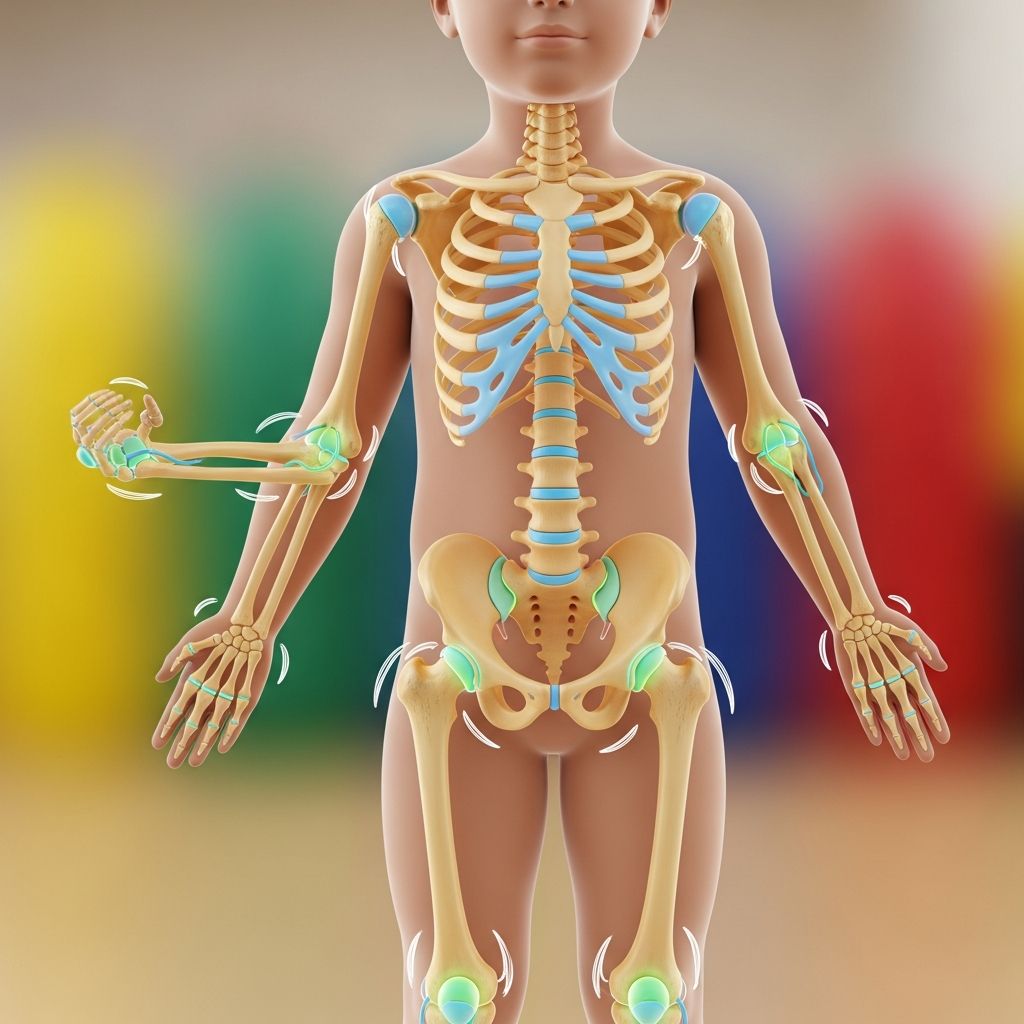
Humans find infants and young children irresistibly adorable due to specific physical and behavioral traits that trigger caregiving instincts. Research in evolutionary psychology and developmental biology identifies a peak cuteness window roughly between 6 and 12 months, when large eyes, chubby cheeks, and emerging smiles maximize parental attachment.
Evolutionary Roots of Baby Appeal
The concept of ‘baby schema’ or Kindchenschema, first detailed by ethologist Konrad Lorenz, explains why certain features like oversized heads, big eyes, and small noses elicit protective responses across species. In humans, these neotenous traits—retained juvenile characteristics—evolve to ensure offspring survival by prompting adults to nurture.
During early infancy, from birth to 3 months, newborns exhibit high-contrast eyes and soft rounded faces that amplify this schema. By 90% of brain development occurring by age 5, these features coincide with rapid neural growth, making the period intensely rewarding for caregivers. Positive interactions during this phase wire lasting emotional bonds, as neural connections form at a rate of one million per second.
- Key evolutionary benefits: Cuteness motivates prolonged care, reducing infant mortality.
- Cross-cultural consistency: All humans respond similarly, indicating innate wiring.
- Extension to pets: Similar traits in puppies trigger analogous responses.
Newborn Phase: Initial Charm Burst (0-3 Months)
In the first weeks, infants display reflexive behaviors like the rooting reflex for feeding and the grasp reflex, paired with delicate features that captivate parents. The Landau reflex, appearing around 3 months, shows head lifting when held prone, signaling emerging strength.
Bright eyes and minimal body hair enhance visual appeal, while cooing begins social engagement. This stage aligns with sensorimotor development per Piaget, where babies explore via senses and movements. Parents report peak ‘snuggle factor’ here due to dependency and softness.
| Age Range | Cuteness Traits | Developmental Milestone |
|---|---|---|
| 0-1 Month | Large head-to-body ratio, downy hair | Rooting, sucking reflexes |
| 1-3 Months | Social smiling emerges | Head control, visual tracking |
Infancy Bloom: The 4-6 Month Sweet Spot
Around 4-6 months, chubby limbs and infectious laughter propel cuteness to new heights. Babies now recognize faces, respond to names, and roll over, blending helplessness with budding personality. This period marks robust attachment formation, as object permanence begins developing.
Large heads comprise 25% of body length at birth, shrinking relatively but retaining plumpness from fat deposition, idealizing proportions. Studies show adults rate photos of 6-month-olds highest in adorability due to combined physical and expressive cues.
- Gurgling and babbling mimic language, fostering interaction.
- Big eyes appear even larger with focused gazes.
- Soft skin and minimal mobility heighten ‘hold me’ vibes.
Toddler Transition: 7-12 Months Peak Cuteness
The zenith occurs at 7-12 months, when crawling, first words like ‘mama,’ and toothy grins converge. Pre-operational cognition sparks pretend play precursors, while psychosocial trust builds per Erikson. Chins round out, cheeks puff, maximizing Kindchenschema.
By 12 months, 80% brain size is reached, supporting complex expressions like pointing and waving. This mobility-yet-clumsy phase delights, as falls prompt comforting, reinforcing bonds. Research confirms this as the ‘cutest’ via rating scales.
| Feature | Peak at 7-12 Months | Impact on Appeal |
|---|---|---|
| Body Proportions | Head 1/4 body length | Triggers protection instinct |
| Expressions | Gummy smiles, curiosity | Boosts emotional connection |
| Motor Skills | Crawling, pulling up | Balances cute dependence with progress |
Preschool Shift: Enduring Charm (1-3 Years)
Beyond 12 months, toddlers waddle into autonomy, with language exploding—combining words by 2 years. Cuteness evolves to mischievous grins and hugs, sustaining appeal through preschool. Concrete operations hint at logical thinking.
While peak physical traits fade slightly post-18 months, personality shines: imaginative play, empathy seeds. Ages 3-5 bring exuberance, irony grasp, and friendships, keeping children engaging.
Why Cuteness Matters for Development
Adorability isn’t superficial; it drives investment. In Piaget’s sensorimotor stage (0-2 years), sensory exploration thrives on parental responsiveness. Erikson’s trust vs. mistrust resolves positively amid cuteness peaks.
Early experiences shape 90% of brain architecture by 5, influencing lifelong health. Neglect risks attachment disorders; thus, cuteness ensures attention during vulnerability.
- Brain Growth: Synapses peak early, demand stimulation.
- Social-Emotional: Reciprocal smiling builds security.
- Long-Term: Strong bonds predict better outcomes.
Individual Variations in Cuteness Perception
Not all peaks align perfectly; culture, parental hormones like oxytocin, and child temperament influence. Premature babies may delay physical peaks but compensate behaviorally. Gender differences are minimal, per studies.
Modern factors like screen exposure might subtly alter perceptions, but core biology persists. Parents universally cherish the 6-12 month window most.
Practical Tips for Cherishing Peak Phases
Maximize bonding: Respond promptly to cries, engage in face-time play, ensure nutrition for chubbiness. Track milestones via CDC charts to affirm normalcy. Photography preserves memories of transient adorableness.
- Capture unprompted smiles daily.
- Read interactive books to boost expressions.
- Limit overstimulation for authentic behaviors.
Frequently Asked Questions
At what exact age are children the cutest?
Science points to 6-12 months as the peak, when baby schema traits and joyful behaviors combine most powerfully.
Does cuteness decline after toddlerhood?
No, it transforms into charming independence; preschoolers retain appeal through personality.
Why do big eyes make babies cuter?
Large eyes signal helplessness and enhance expressiveness, activating innate caregiving via Kindchenschema.
Can parents influence a child’s cuteness peak?
Healthy feeding promotes chubbiness, and stimulation elicits smiles, amplifying traits.
Is cuteness universal across cultures?
Yes, evolutionary wiring ensures global appeal to similar features.
References
- Developmental Stages | Biology | Research Starters — EBSCO. Accessed 2026. https://www.ebsco.com/research-starters/biology/developmental-stages
- 90% of a Child’s Brain Develops By Age 5 — First Things First. Accessed 2026. https://files.firstthingsfirst.org/why-early-childhood-matters/the-first-five-years
- Child Development – StatPearls — NCBI Bookshelf, NIH. 2023-10-01. https://www.ncbi.nlm.nih.gov/books/NBK564386/
- Child Development | Fact Sheets — Yale Medicine. Accessed 2026. https://www.yalemedicine.org/conditions/child-development
- Piaget Cognitive Stages of Development — WebMD. Accessed 2026. https://www.webmd.com/children/piaget-stages-of-development?print=true
- CDC’s Developmental Milestones — Centers for Disease Control and Prevention (CDC). Accessed 2026. https://www.cdc.gov/act-early/milestones/index.html